
Empty House Pest Problems in Florida: What to Know
Dry drains, damp air, and pests can move into a vacant Florida home fast. Learn the signs and how to protect your house.
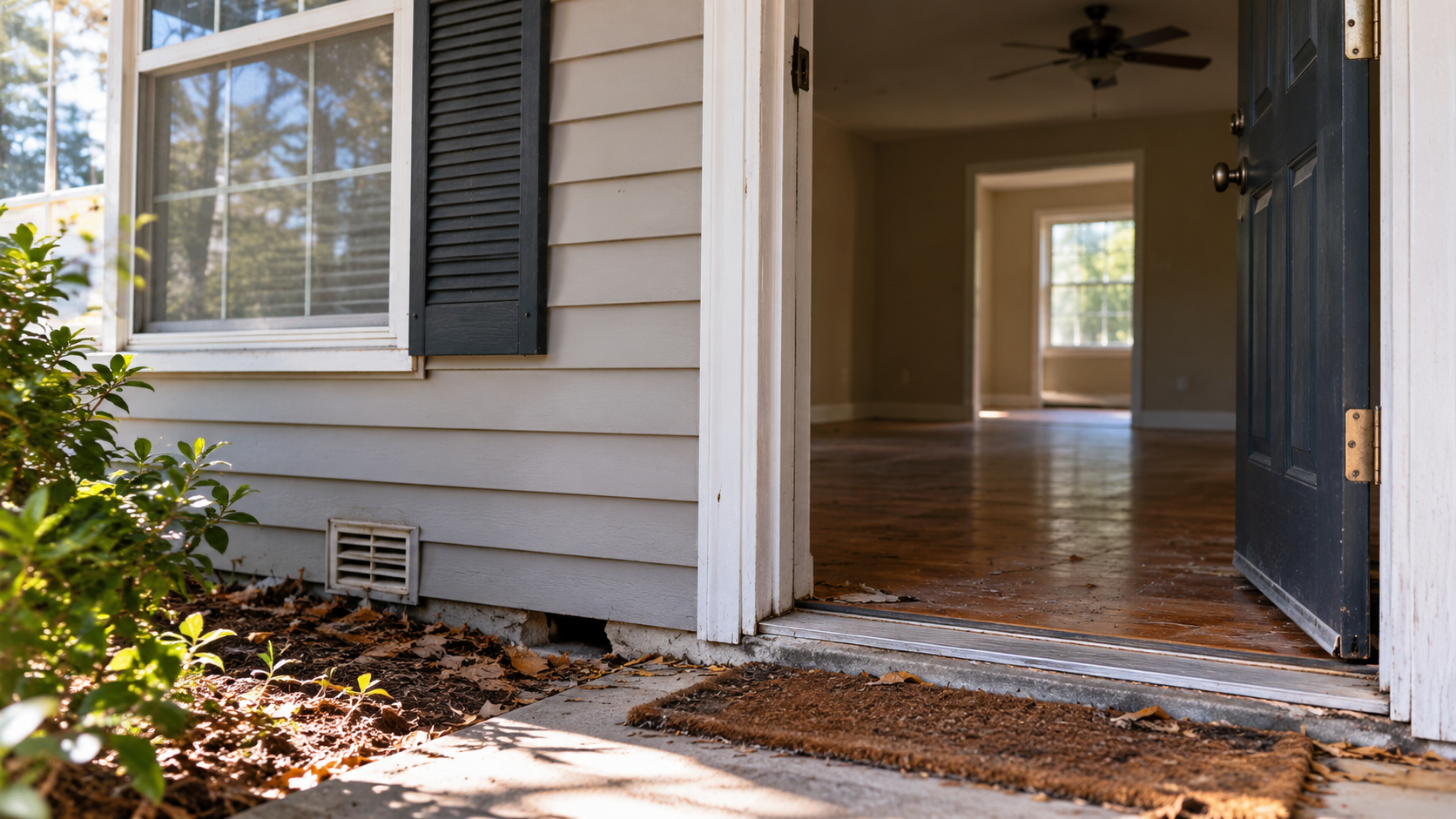
What Happens When a Florida Home Sits Empty?
Maybe you spend part of the year up north. Maybe you own a rental that sits empty between tenants. Maybe you just travel a lot. Either way, a quiet house is not a safe house.
When no one uses a home, small problems grow fast. Drains dry out. Damp air builds up. Pests move in. Here is what to watch for and how to protect your home.
Why Empty Homes Attract Pests
Pests need three things: food, water, and a safe place to hide. An empty house can offer all three. No one is there to wipe up crumbs. No one is there to spot a new nest. No one is there to hear scratching in the attic.
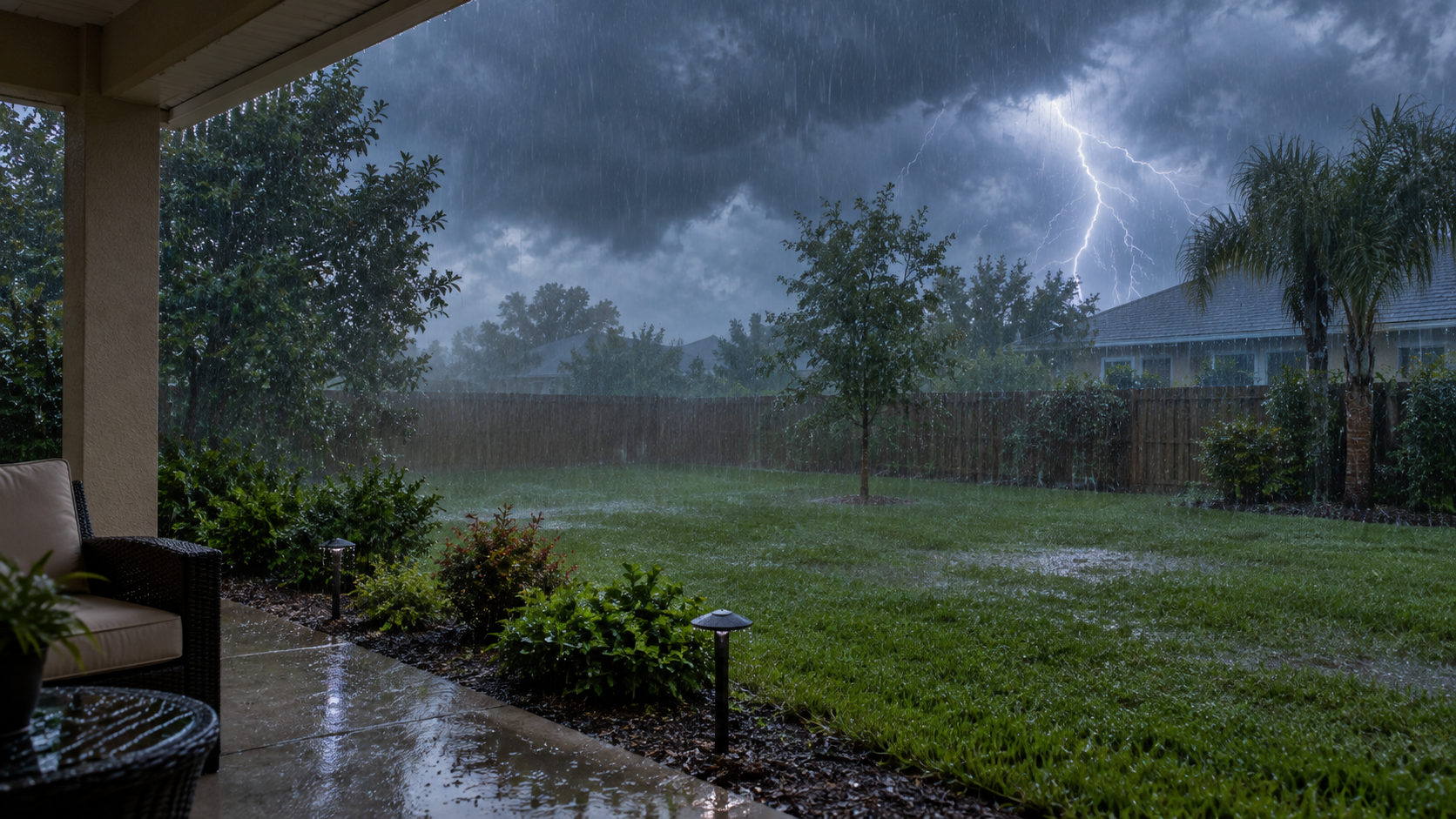
Florida makes it harder. Our air is warm and wet. If the air conditioner is off or barely running, that damp air stays trapped inside. Bugs that love moisture feel right at home. A few scouts can turn into a real problem fast.
The Drain Problem: What Happens When Water Never Runs
Look under any sink. You will see a bent pipe shaped like a U or a J. This is called a trap. It always holds a small pool of water. That water works like a plug. It keeps sewer gas and pests from coming up the drain and into your home.
But that water does not last forever. When no one uses the sink, the water slowly dries up. Warm Florida weather speeds this up. Once the trap is dry, the plug is gone. Now there is an open path from the sewer pipes into your house.
Sink Drains
- Why it dries out
- No one runs the water, and warm air slowly pulls the moisture away.
- What can come up
- Sewer smells and tiny drain flies.
Tubs and Showers
- Why it dries out
- Guest baths and spare baths often go unused for months.
- What can come up
- Sewer gas, roaches, and other pests that travel through pipes.
Floor and Laundry Drains
- Why it dries out
- These drains hardly ever get water at all.
- What can come up
- Musty smells and pests that sneak in from the pipes.
Sewer gas often smells like rotten eggs. If you walk in after a long trip and notice that smell, a dry trap is a common cause. The fix is often simple. Pour about a quart of water down each drain to refill the trap. Seeing tiny flies near a drain? Our guide to drain flies in Florida can help you tell what you have.
If the smell stays after you refill the traps, a pipe may be cracked or broken. Read our post on sewer pests and signs of a plumbing breach to learn what to look for.
What Else Moves In When No One Is Home
Dry drains are only part of the story. Here are other common problems in a quiet house.
| Problem | Why an Empty Home Helps It | What You May Find |
|---|---|---|
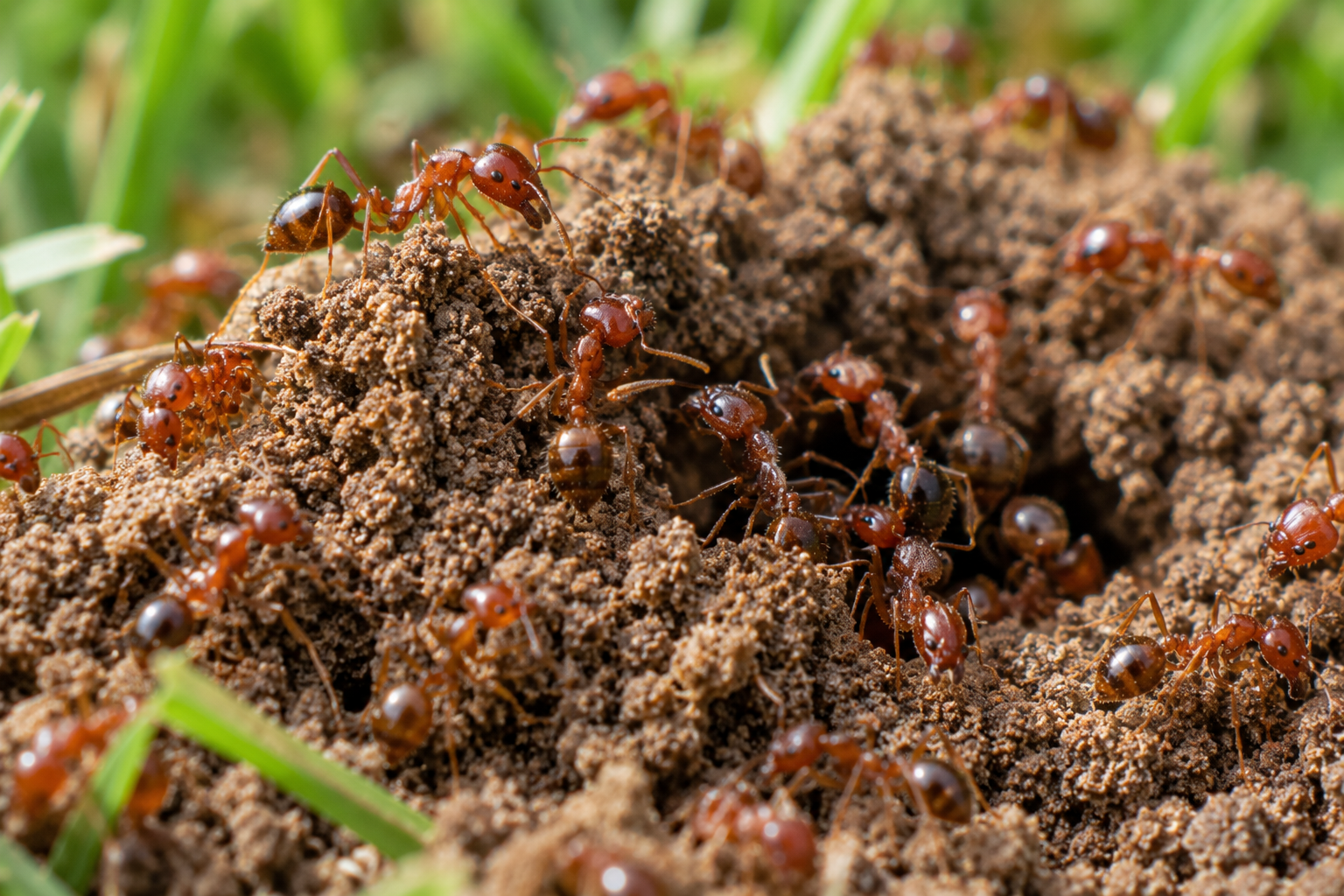
| Roaches and ants | Crumbs, old food, and damp spots go untouched for weeks. | Ant trails, roaches near sinks and baths, and bugs in forgotten pantry food. See why roaches move into Florida homes and how ant control works. |
| Rats and mice | Dark, quiet spaces with no people and no noise. | Droppings, chewed wires or boxes, and greasy marks along walls. Learn more about rodents in Florida. |
| Attic wildlife | Animals may pick an empty house over one with people moving around. | Thumping, scratching, or torn insulation. Read about squirrels in the attic and raccoons in Florida homes. |
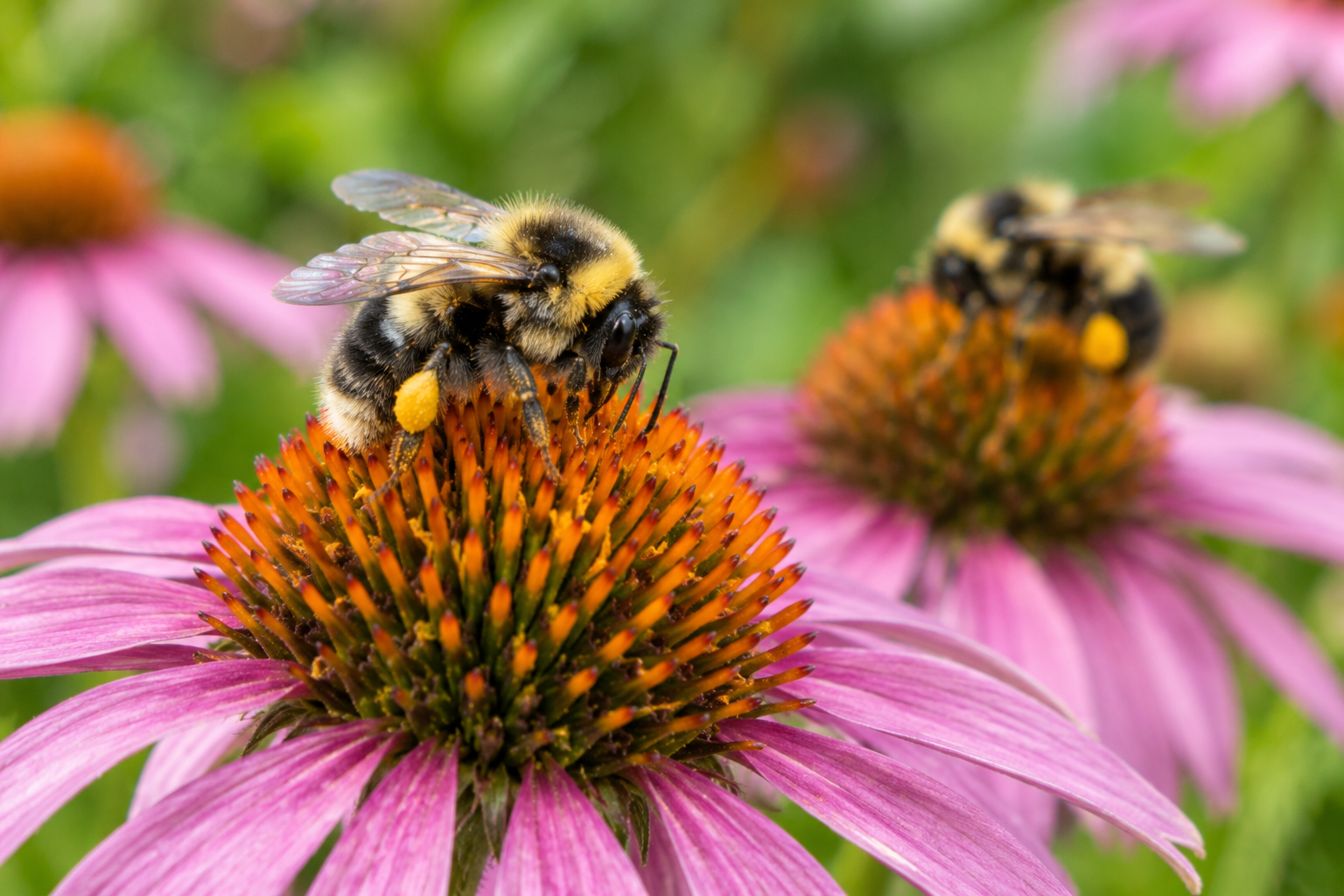
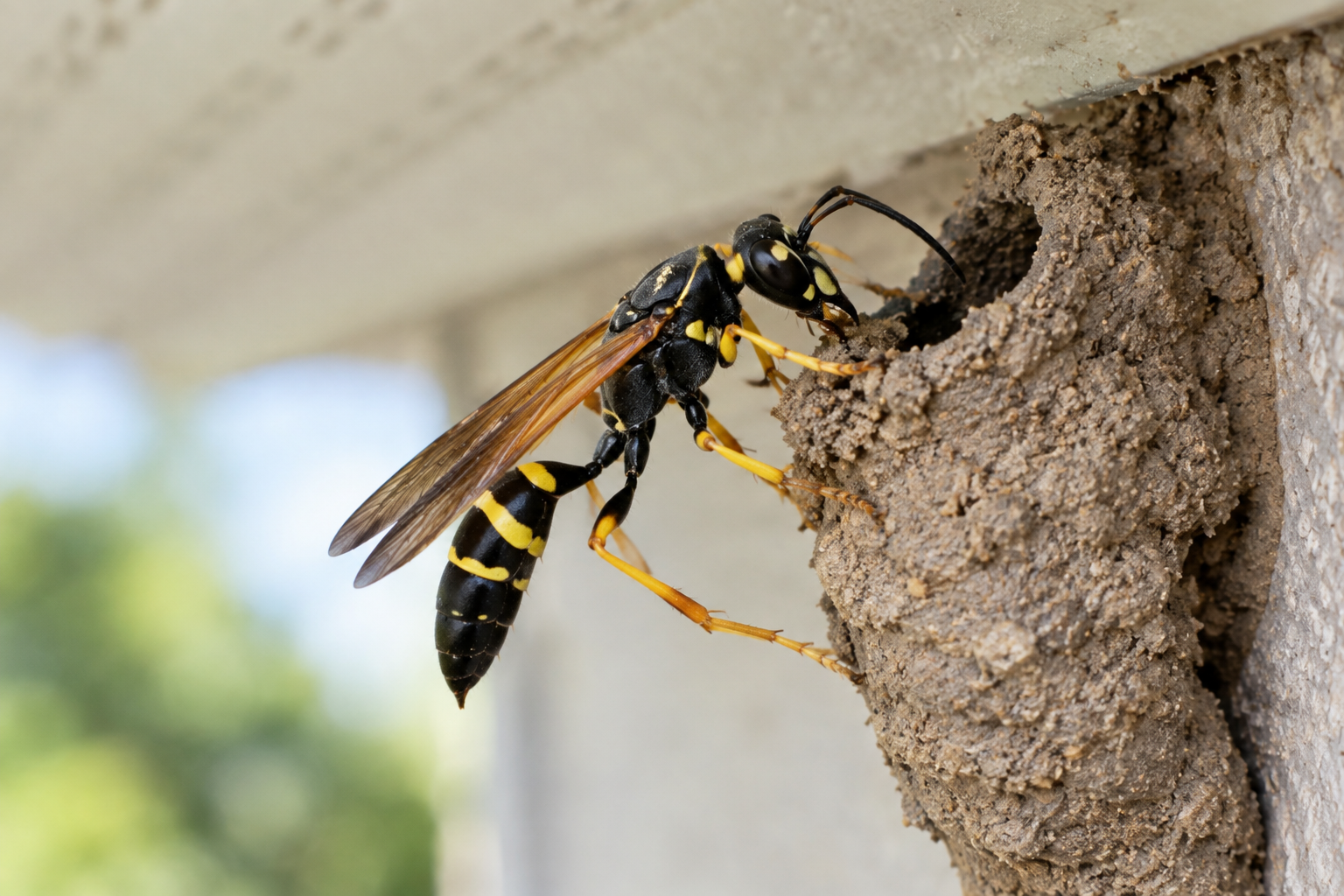
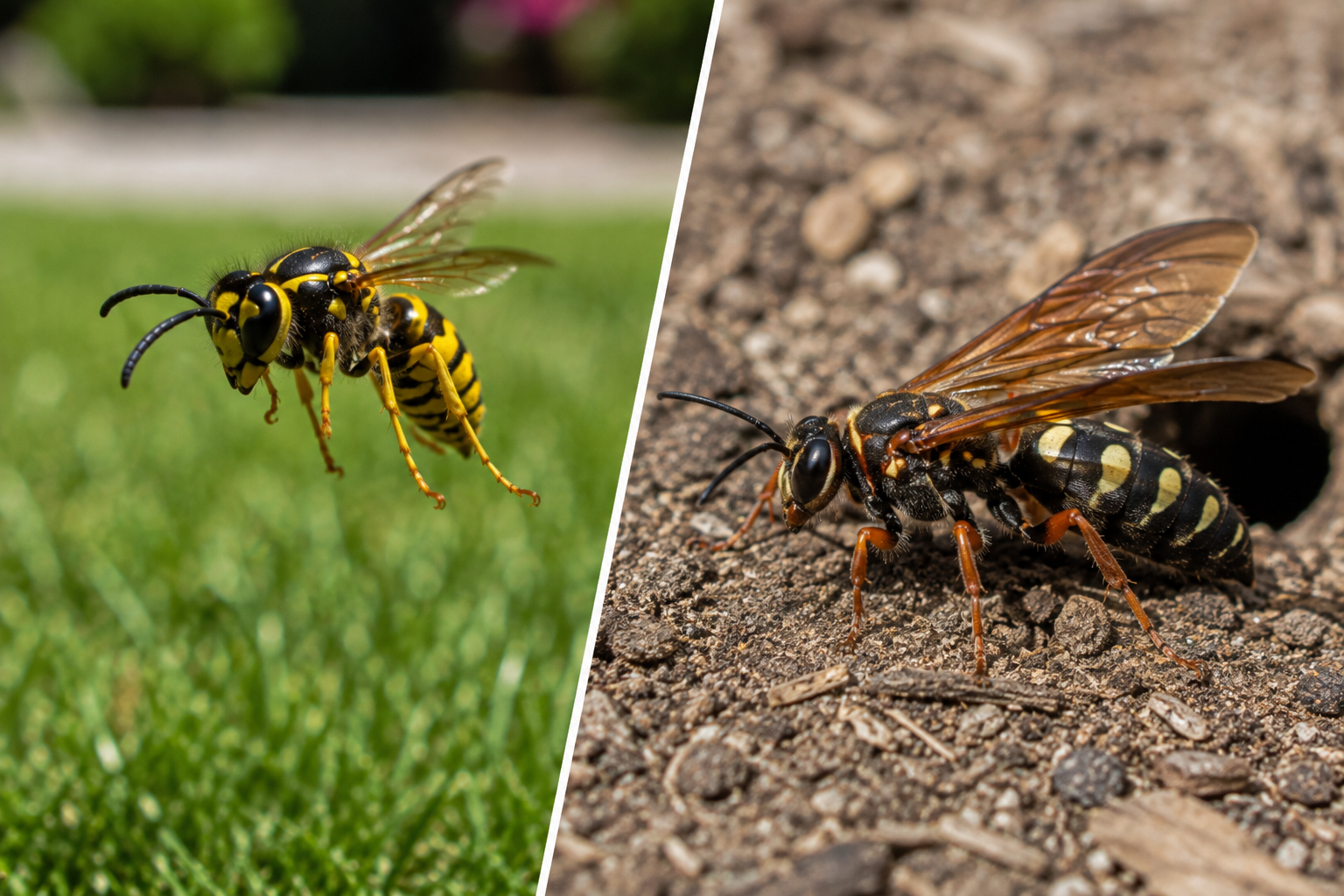
| Wasps and bees | Nests grow all season because no one spots them early. | Large nests under eaves, on porches, or near the garage. Here is how wasp control works. |
| Mosquitoes | Water sits in buckets, bird baths, and plant saucers with no one to dump it. | Clouds of biting mosquitoes around the yard. Our mosquito control guide has more. |
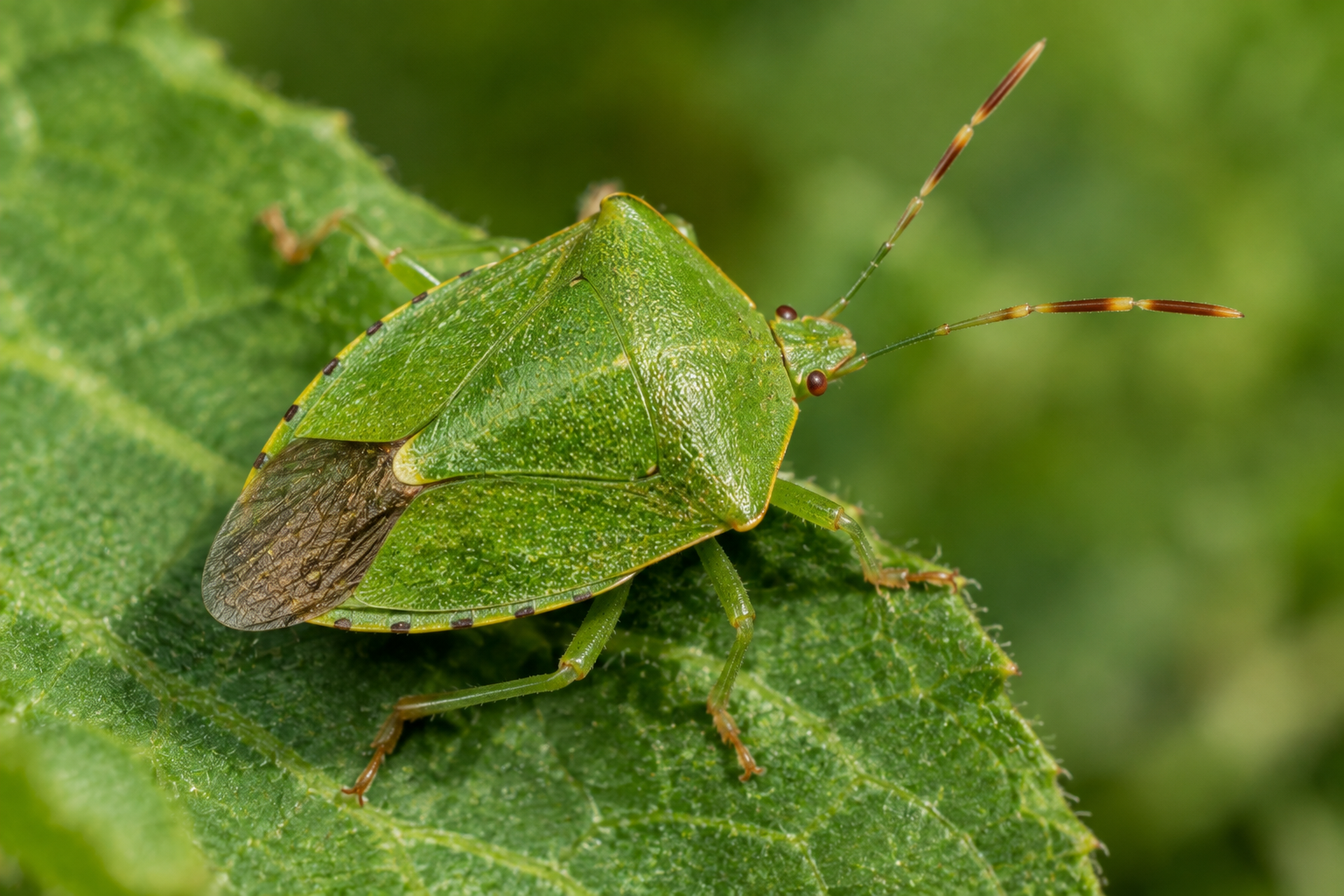
| Damp-air bugs | A closed-up house holds moisture, and some bugs love it. | Silverfish, tiny bugs on walls, and mildew spots. See our posts on silverfish and occasional invaders. |
Think bats moved in? Do not seal them in or try to remove them yourself. Florida has rules about when bats can be removed. Read our guide to bat season in Florida before you do anything.
Signs Something Moved In While You Were Away
A rotten egg or musty smell when you walk in
Tiny flies hovering around sinks and tubs
Droppings on counters, in cabinets, or along walls
Scratching or thumping in the walls or attic
Wasps or bees flying in and out near the roofline
Mildew spots, damp walls, or foggy windows
Hearing noises and not sure what they mean? Our post on scratching noises in walls can point you in the right direction.
When You Get Home: 3 Quick Steps
Run Every Drain
Pour about a quart of water down each drain. Run the water for a few minutes. Flush every toilet. This refills the traps.
Walk Through Every Room
Check kitchen cabinets, closets, and the garage. Look for droppings, nests, and damp spots. Take note of any strange smells.
Check Outside
Look under the eaves and around the porch for nests. Dump any standing water in the yard.
How to Protect an Empty Home
The best plan is to get ready before you leave. Remember two words: clean and dry. Here is a simple list.
- Eat or throw away fresh food and open snacks. Toss cereal, crackers, and pasta. Keep flour, sugar, and salt in tightly sealed containers.
- Take out all the trash on your way out the door.
- Put stoppers in every sink, tub, and shower drain. This helps the water in the traps last longer.
- Cover toilets and tank tops with plastic wrap to slow drying.
- Move potted plants outside or to a neighbor. Watering them adds moisture to the air in your home.
- Dump buckets, bird baths, and anything else that holds water. Turn off fountains or keep the water moving to stop mosquitoes.
- Keep the air conditioner on and set no higher than 85 degrees. This helps pull damp air out of the house.
- Seal gaps around doors and windows. Clean the gutters. Fix any yard drainage problems that attract pests so water flows away from the house.
- Keep the lawn mowed and shrubs trimmed back from the walls.
- Ask a trusted friend, neighbor, or property manager to visit often. They can run the drains and look for early signs of trouble.
Leaving Your Home for a While?
Do not wait for pests to find your empty house first. InsectIQ has an entomologist on staff who can check your home for early signs of trouble and help you plan how to protect it while you are away.
Contact Us for a Quote