
Rodents In Florida: Winter Season Risks
Rodents surge in Florida homes during winter. Learn the risks, signs, and solutions—and how Insect IQ keeps your property protected.
Why Rodents Are a Bigger Problem in Winter
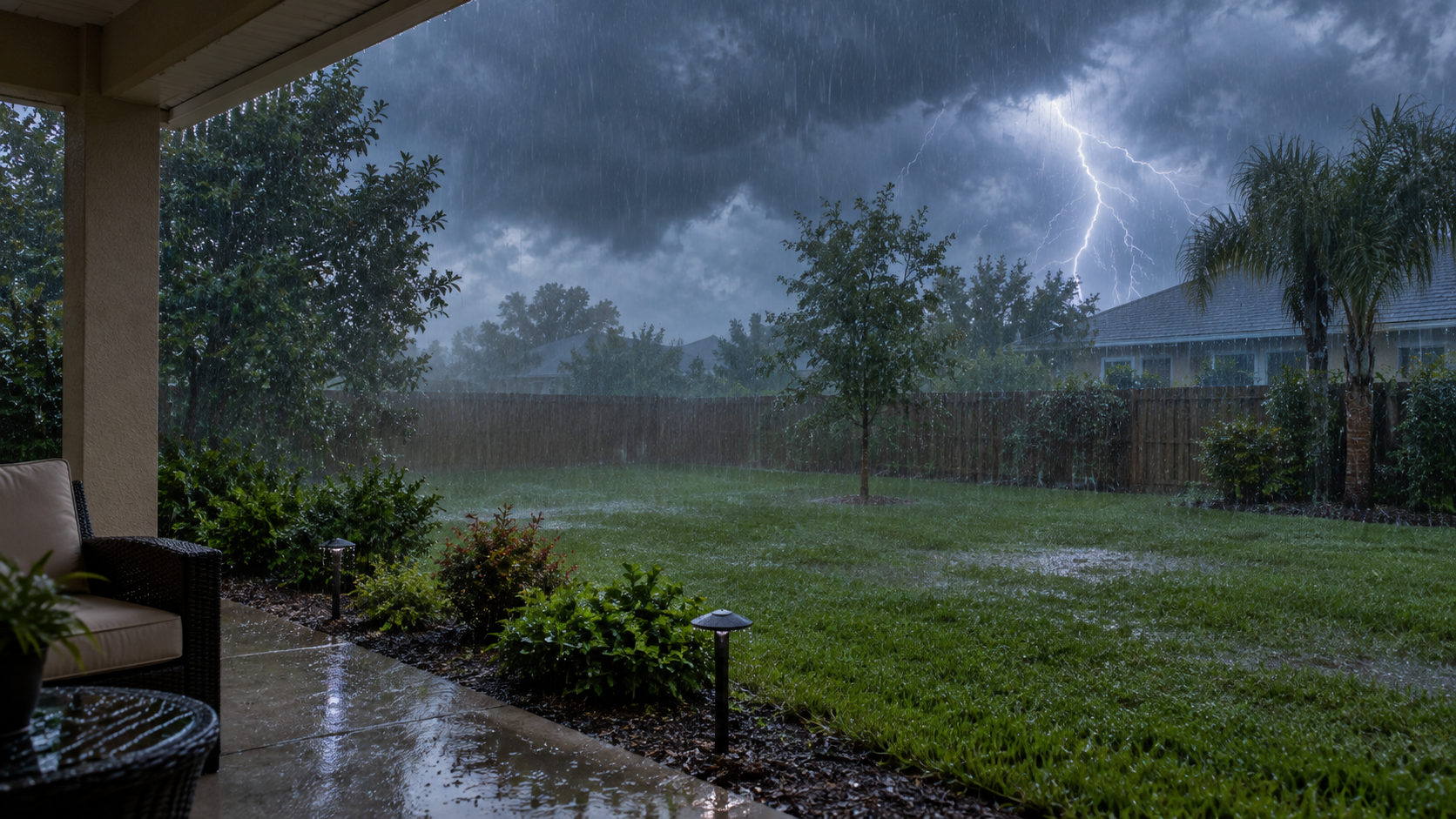
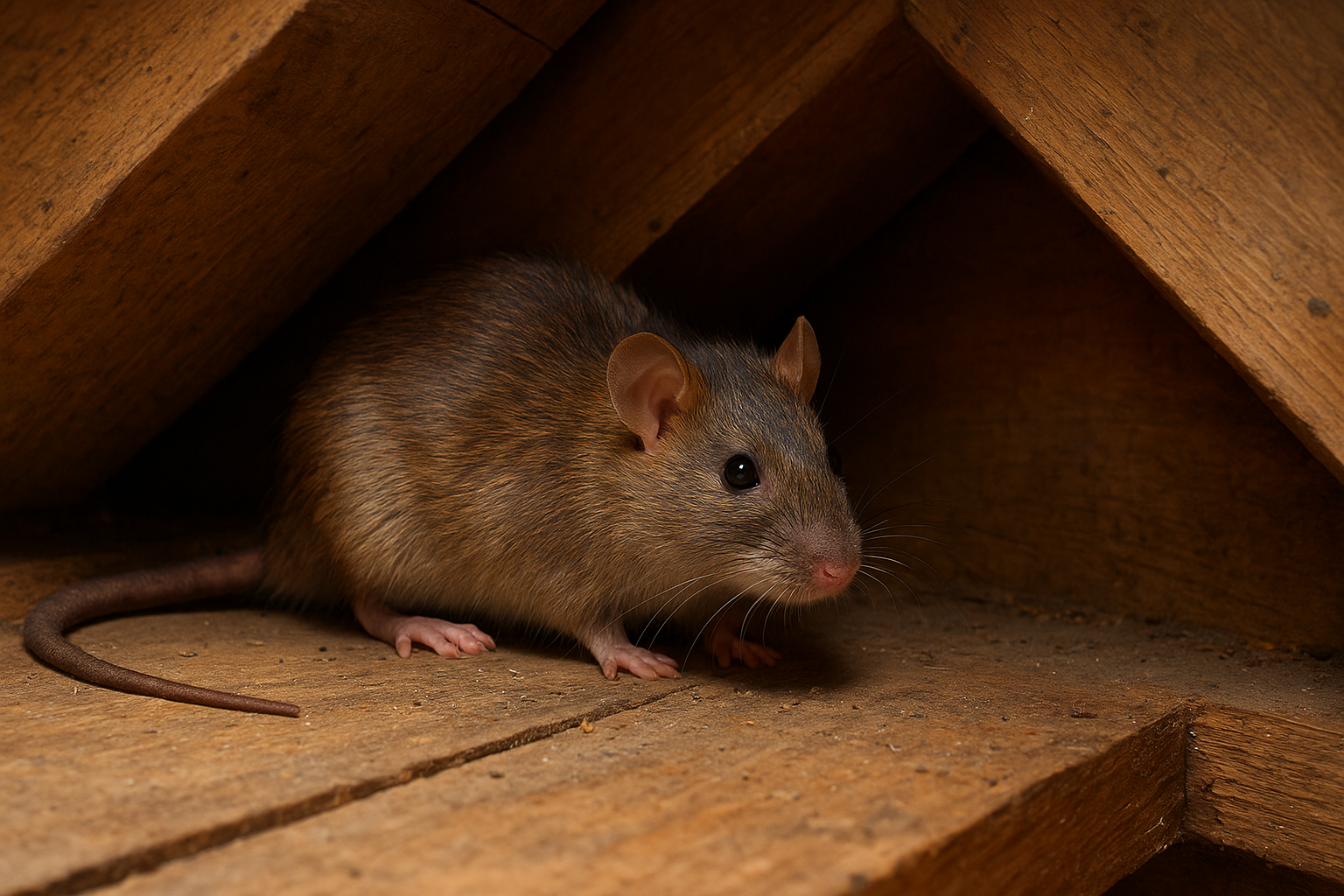
When temperatures drop, rodents such as rats and mice seek warmth, food, and shelter. Increased rainfall can also flood burrows and drive rats to higher, drier structures—like attics, garages, and wall voids.
Unfortunately, that often means your home or business becomes their winter getaway. Once inside, they can spread disease, chew wiring, damage insulation, and contaminate food sources. Because rodents reproduce rapidly, even a single pair entering your property before winter can turn into a full infestation by the time spring rolls around.
Common Florida winter invaders include:
- Roof rats
- Norway rats
- House mice
All three are capable of causing structural damage, contaminating surfaces, and endangering your family or customers. Recognizing the early signs is key to stopping them before they multiply.
Identifying Rodent Droppings in Your Home
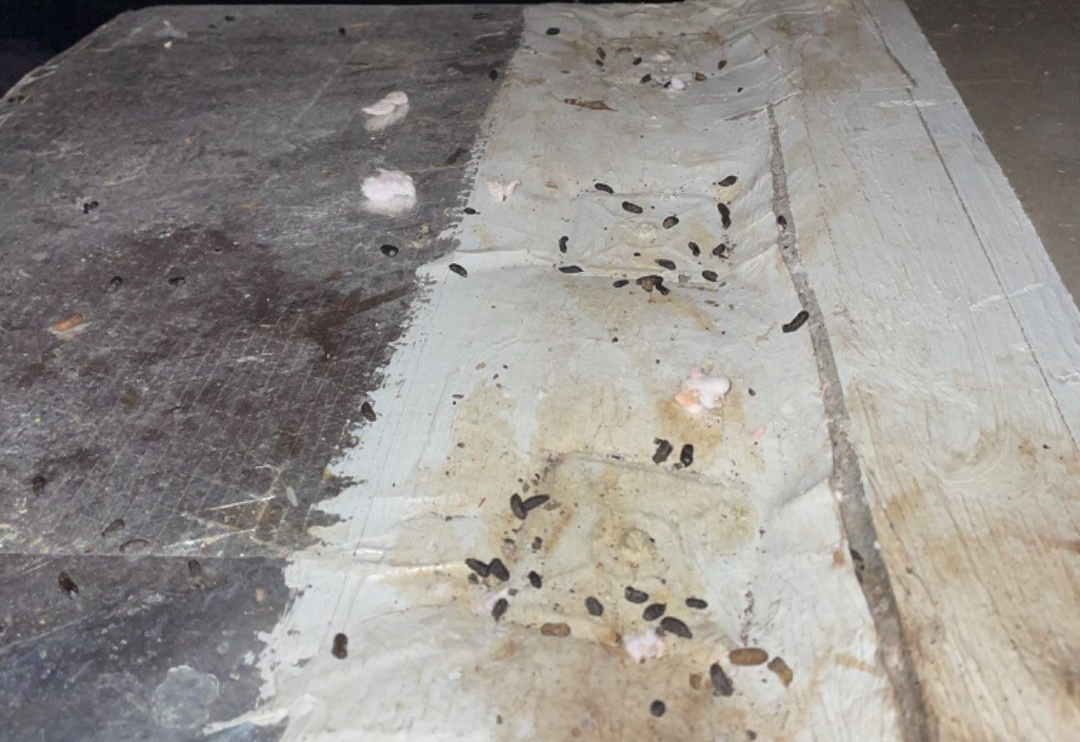
Rodent droppings are often the first visible sign of an infestation. Each species leaves behind droppings that look slightly different. Knowing what to look for can help you determine the size and severity of the problem.
What Rodent Droppings Look Like
- Roof Rat Droppings:
Banana-shaped, pointed on both ends, about ½ inch long. - Norway Rat Droppings:
Capsule-shaped, blunt on the ends, larger—up to ¾ inch long. - House Mouse Droppings:
Small, black, and grain-like, about ⅛–¼ inch long.

Where Droppings Are Usually Found
You may spot them in:
- Attics
- Behind appliances
- Inside cabinets
- Along baseboards
- Around stored holiday décor
Fresh droppings look moist and dark, while older droppings appear dry and crumbly. If you see droppings in multiple areas, the infestation is likely active and spreading.
How Trapping and Exclusion Stop Rodents for Good
Trapping and exclusion are the two main steps to eliminate rodents and prevent them from returning. Both are essential for long-term results.
Trapping
Trapping removes the rodents currently inside your home. Professionals strategically place traps in high-activity zones to quickly reduce the population. This helps stop the reproduction cycle and prevents rodents from causing additional damage.
Exclusion
Even the best traps won’t work if rodents can still enter the structure. Exclusion involves sealing every entry point rodents use to get inside, such as:
- Gaps in siding
- Roofline openings
- Damaged soffits
- Cracks around pipes or vents
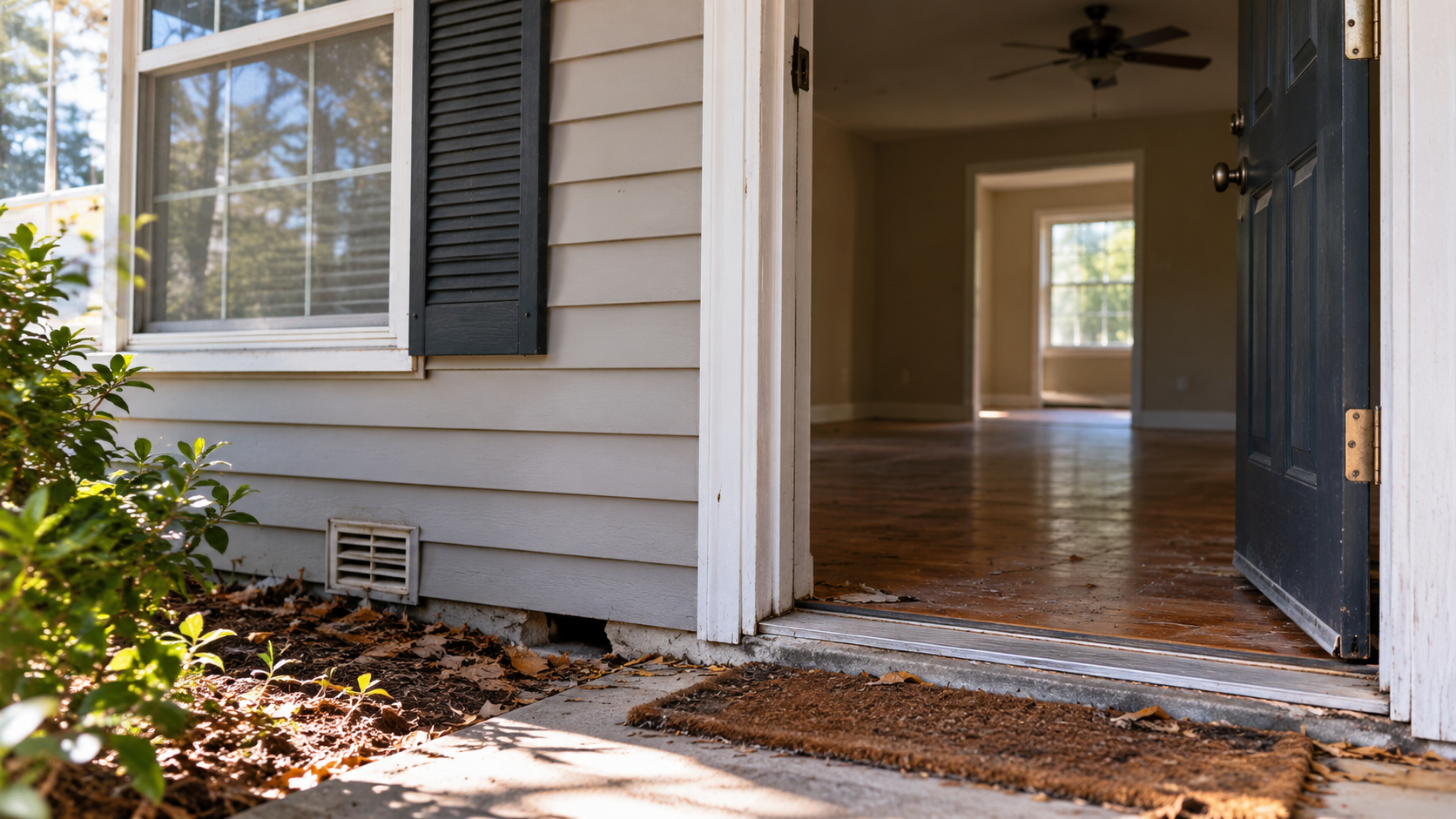
- Gaps under doors
By blocking these access points, you stop new rodents from entering, allowing your home or business to stay rodent-free through the winter and beyond.
Call Insect IQ for Expert Winter Rodent Protection
If you’re seeing droppings, hearing noises, or suspect rodents in your home, now is the time to act. At Insect IQ, we offer comprehensive inspections, effective trapping, and professional exclusion services to keep your property fully protected.
Don’t let winter rodents take over your home. Contact Insect IQ today at 813-930-2847 for fast, reliable rodent solutions.