
Occasional Invaders in Florida Homes
Learn what occasional invaders are, why they enter Florida homes, and how to prevent pests like boxelder bugs and lubber grasshoppers.
Occasional Invaders in Florida Homes
What Are Occasional Invaders?
Occasional invaders are pests that live outdoors but enter homes temporarily. They typically appear during certain seasons when weather conditions become unfavorable outside.
Unlike structural pests, they do not live or reproduce indoors. However, their presence can still be disruptive and often signals entry points that other pests can exploit.
Why Occasional Invaders Enter Homes
Occasional invaders are driven indoors by environmental factors, including:
- Extreme heat or cold
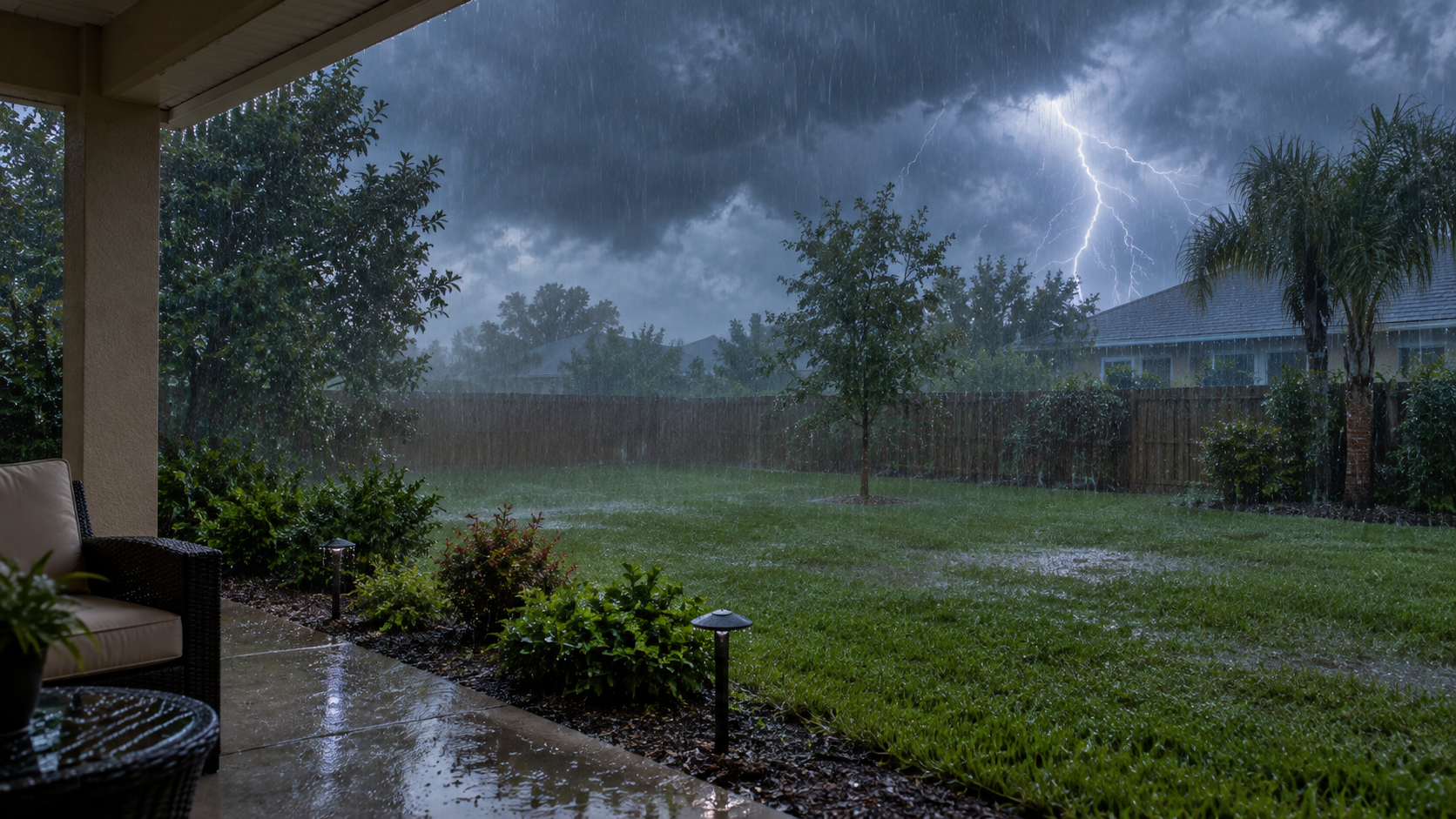
- Heavy rain or drought
- Attraction to indoor lighting
- Searching for moisture or shelter
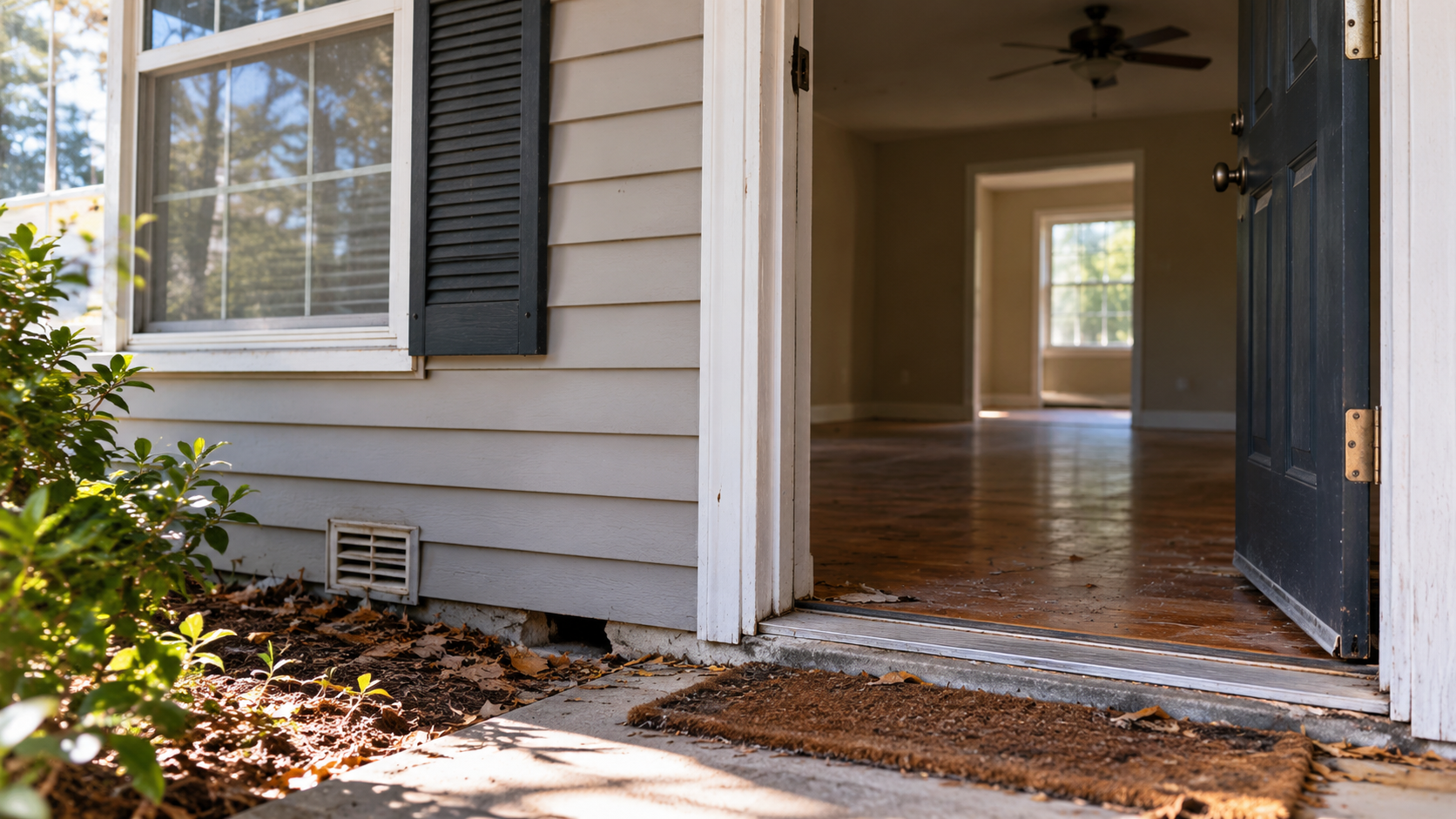
They commonly enter through cracks, gaps, vents, and poorly sealed doors or windows.
Common Occasional Invaders in Florida
Several pests fall into this category, including:
- Millipedes and centipedes
- Crickets
- Earwigs
- Silverfish
- Ground beetles
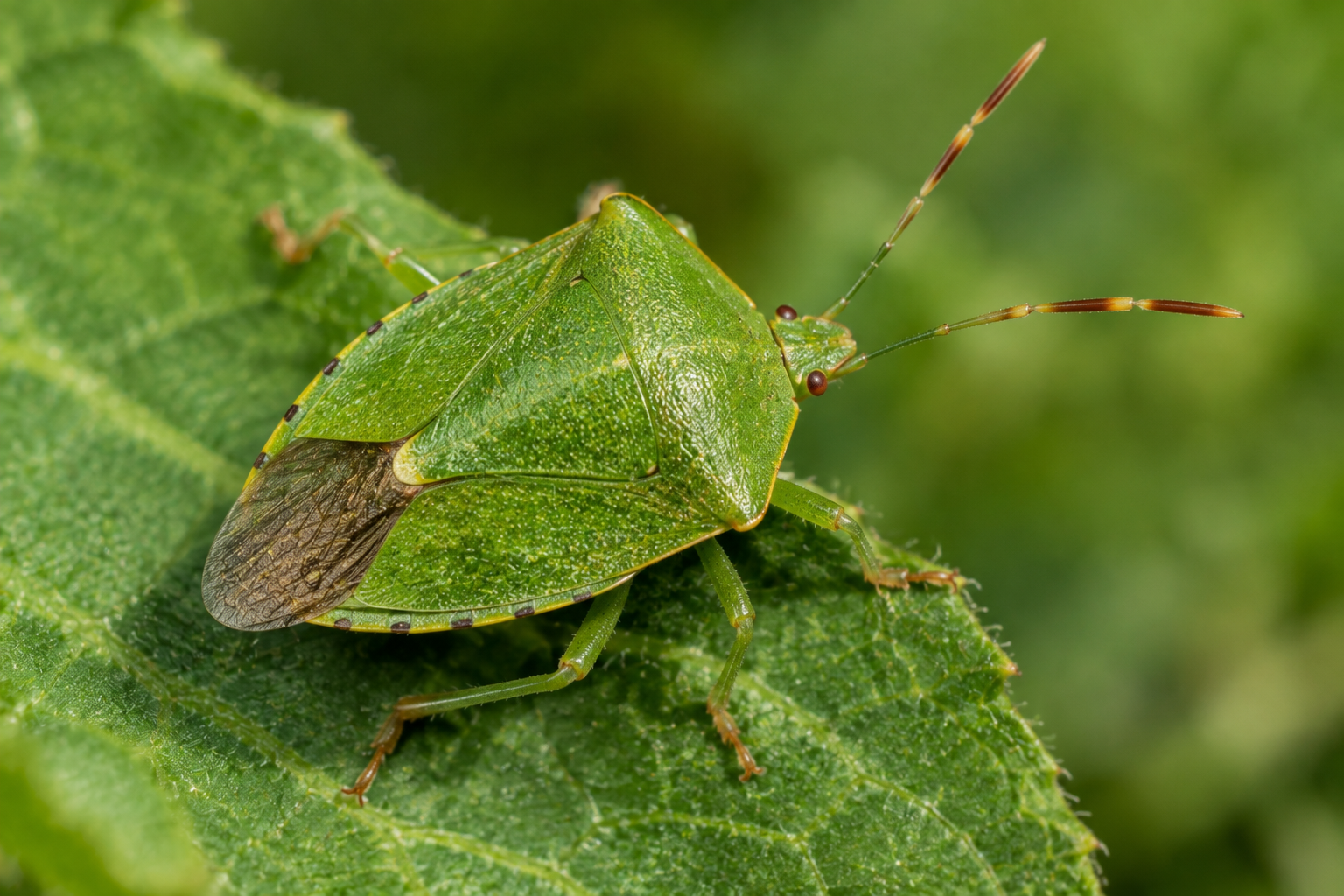
- Boxelder Bugs
- Eastern Lubber Grasshoppers
- Plaster Bagworms
These pests are mostly nuisance-driven and rarely cause harm, but large numbers can become overwhelming.
Spring Seasonal Invaders in Florida
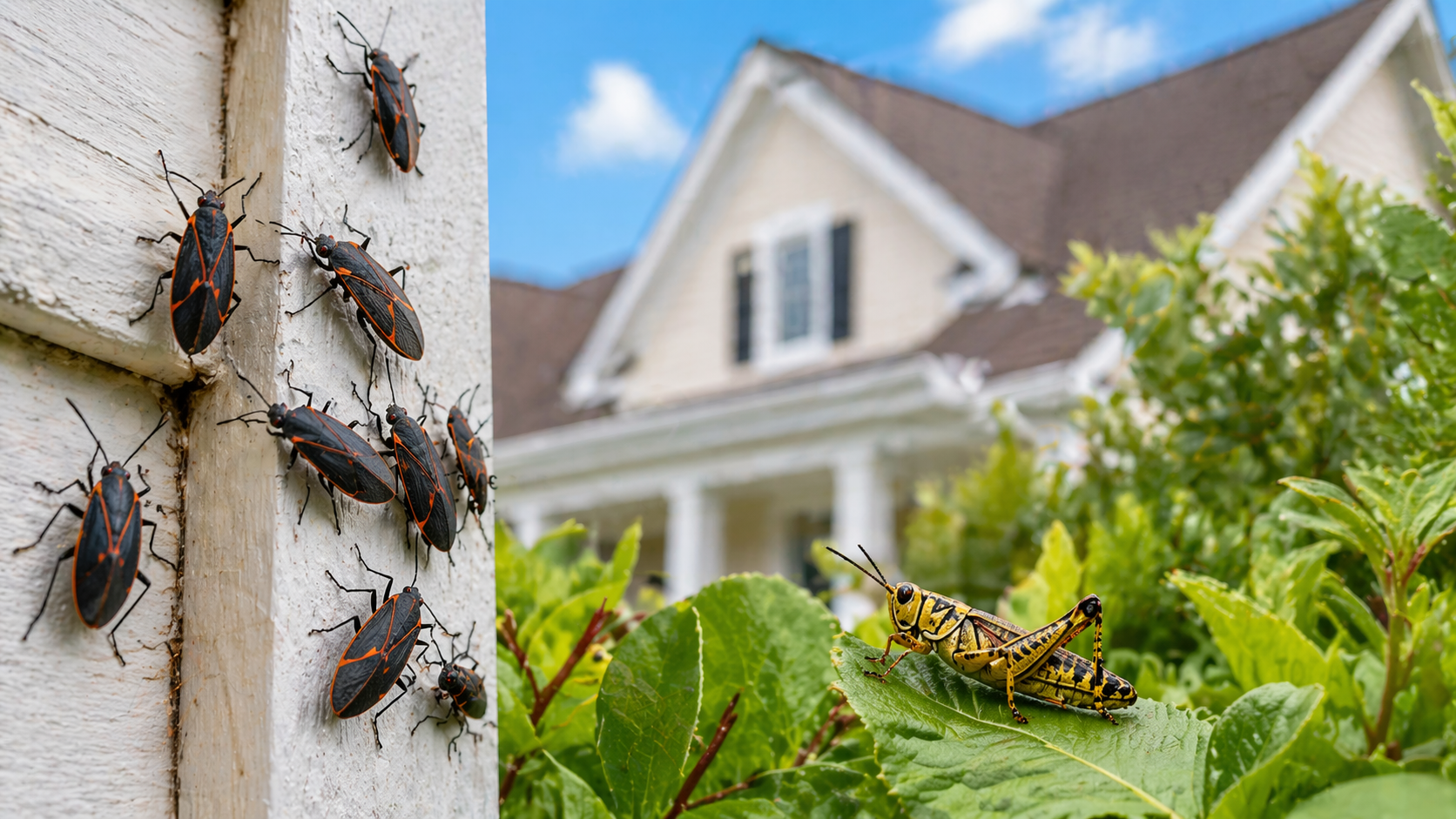
During the spring season, certain occasional invaders become more active and noticeable around homes. A few of the notable examples in Florida right now are boxelder bugs, plaster bagworms, and Eastern Lubber Grasshoppers.
Boxelder Bugs
Boxelder bugs become active as temperatures rise, often gathering on sunny exterior walls and around windows. They may enter homes through small gaps while searching for warmth or shelter. Once inside, they hide in wall voids, attics, and window frames.
Common issues include:- Staining on walls, fabrics, and surfaces
- Unpleasant odor when crushed
- Large groupings around entry points
Eastern Lubber Grasshoppers
Eastern lubber grasshoppers emerge in large numbers during spring and early summer. They are frequently found in yards, gardens, and around structures. While they rarely enter homes, they are considered occasional invaders due to their proximity and impact.
Common issues include:- Damage to ornamental plants and landscaping
- Large size and visibility, which can be alarming
- Increased activity around patios and entry areas
Plaster Bagworms
Plaster bagworms become more noticeable in spring as humidity and temperatures rise, especially in sheltered outdoor areas and inside homes.
They are often found attached to walls, ceilings, and corners, where they feed on organic debris like spider webs, lint, and hair. They can enter through small openings or develop in undisturbed interior spaces.
Common issues include:
- Small cocoon-like cases attached to walls and surfaces
- Damage to fabrics such as clothing, curtains, and upholstery
- Increased activity in garages, closets, and low-traffic areas
Risks and Prevention
Are Occasional Invaders Dangerous?
Most occasional invaders are not dangerous to people or pets. However, they can:
- Become a persistent nuisance
- Contaminate surfaces in sensitive environments
- Damage fabrics, paper goods, or plants in some cases
Even when harmless, their presence should not be ignored.
How to Prevent Occasional Invaders
Prevention focuses on eliminating entry points and reducing attractants:
- Seal cracks, gaps, and openings around the structure
- Repair screens and weather stripping
- Reduce excess moisture around the home
- Limit outdoor lighting near entry points
- Keep landscaping trimmed away from the structure
These steps help reduce not only occasional invaders but also more serious pest issues.
Occasional Invaders Are a Warning Sign
Seeing occasional invaders indoors often means that there are vulnerabilities in the structure. Left unaddressed, these openings can allow more persistent pests to enter and establish infestations.
Protect Your Home from Seasonal Pest Intrusions
Occasional invaders may seem harmless, but they often point to bigger issues around your home. Small entry points and favorable conditions can quickly lead to ongoing pest problems if left untreated.
Take control before it gets worse. Contact Insect IQ today for a professional inspection and targeted treatment plan that stops seasonal invaders at the source.
Call us today to protect your home, your family, and your peace of mind.
Schedule Your Inspection