
Yard Drainage Problems That Attract Pests
Poor yard drainage doesn't just flood your lawn — it invites mosquitoes, termites, and rodents in. Learn the warning signs and fixes for Tampa Bay homeowners.
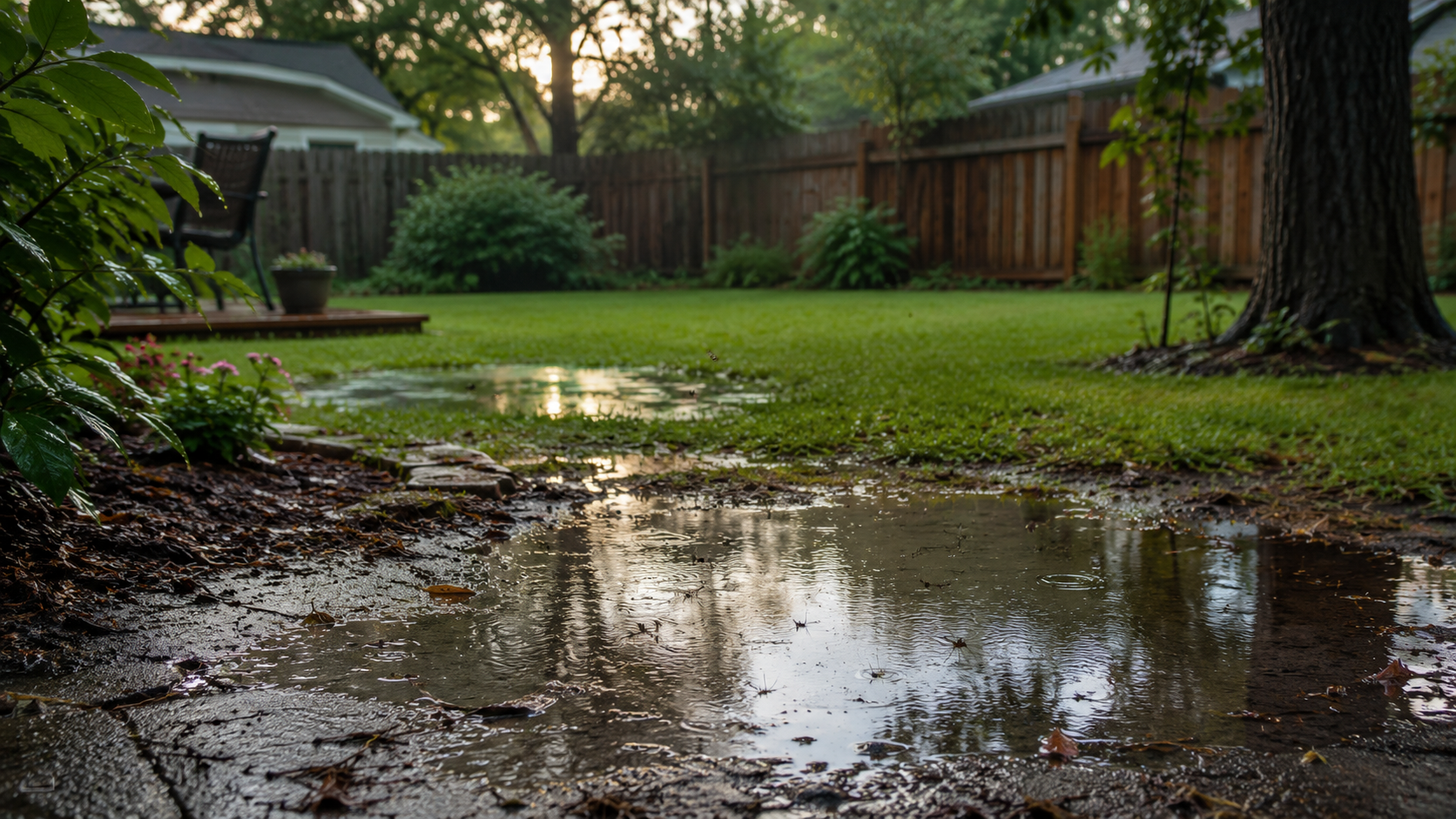
Yard Drainage Problems That Invite Pests Into Your Home
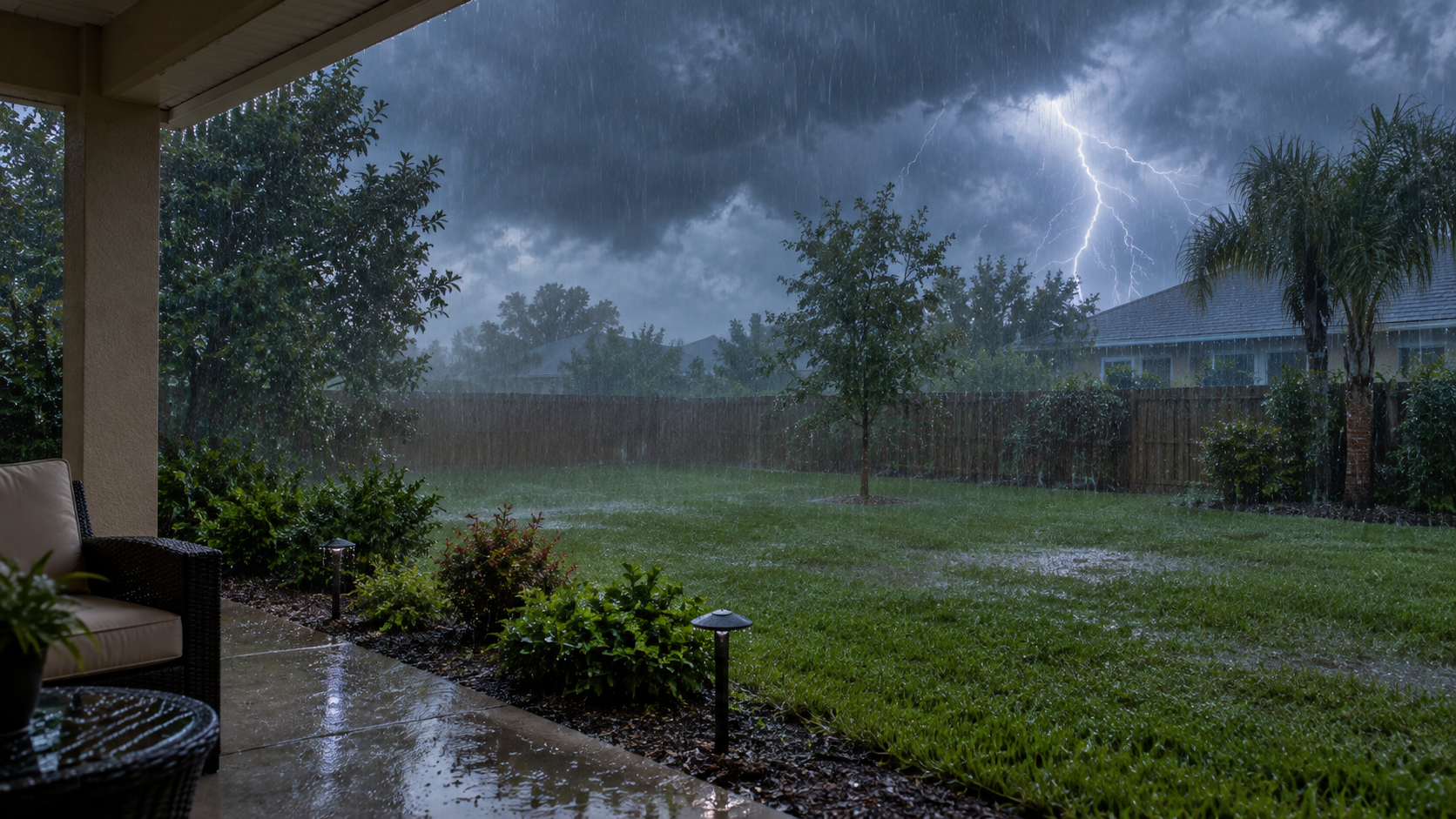
Tampa Bay's rainy season is here, and the water building up in your yard right now isn't just a lawn problem — it's a pest problem. Poor drainage creates the exact conditions that mosquitoes, rodents, roaches, and termites need to move in and stay.
Here's which drainage issues attract which pests, how to spot them fast, and what you can do before the rain gets worse.
Why Drainage and Pests Go Hand in Hand
Most pests aren't randomly wandering into your yard. They go where food, water, and shelter are easy to find. Poor yard drainage hands them all three at once. Standing water feeds and houses mosquitoes. Soggy soil around your foundation softens the ground for rodents to burrow and gives termites the moist wood they need to survive. Wet mulch and leaf piles tucked against the house become a highway for roaches looking to get inside.
The fix for most of these problems starts with water — specifically, where it sits after it rains.
Florida rainy season fact: Tampa Bay averages over 30 inches of rain between June and September alone. That's more than half the area's yearly rainfall packed into four months — which is exactly why pest pressure spikes so sharply in summer.
The Drainage Problems Most Likely to Bring Pests to Your Door
Not all drainage issues are the same, and neither are the pests they attract. These are the three most common problem spots in Tampa Bay yards and the specific pests each one tends to invite.
- What Happens
- Leaves and debris trap rainwater that sits for days at a time
- Pests It Attracts
- Mosquitoes, carpenter ants, and roof rats seeking moisture near the roofline
- Why It Matters
- Clogged gutters are one of the most overlooked mosquito breeding spots on a property
- What Happens
- Rainwater collects in dips or uneven areas and doesn't drain away
- Pests It Attracts
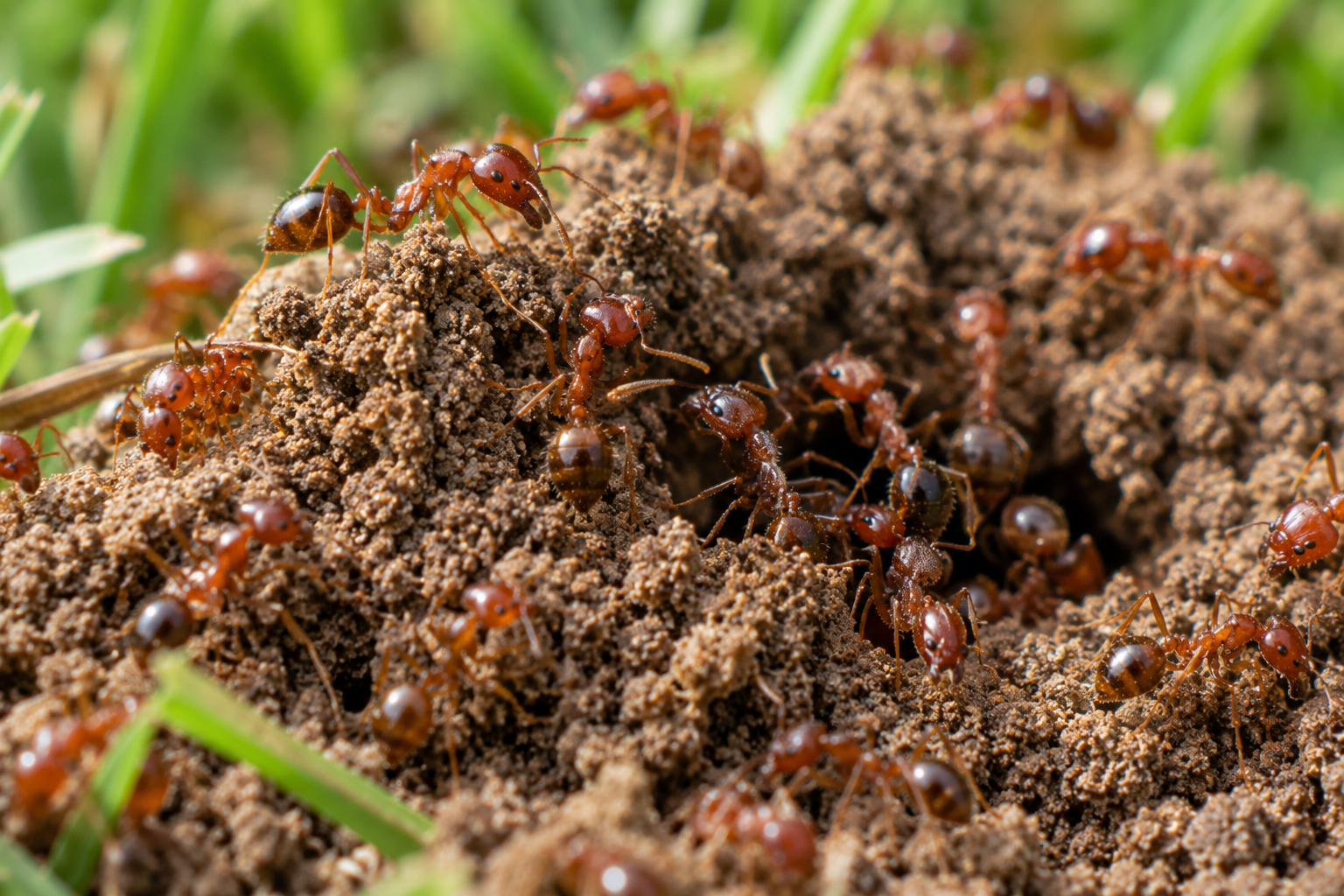
- Mosquitoes, burrowing rodents, and ground-nesting ants like big-headed ants
- Why It Matters
- Standing water even a few inches deep is enough for mosquitoes to complete their entire life cycle
- What Happens
- Rainwater runs toward the house instead of away, soaking soil around the slab
- Pests It Attracts
- Subterranean termites, German cockroaches, and Norway rats seeking burrowing ground
- Why It Matters
- Moist soil against the foundation is one of the biggest risk factors for subterranean termite activity in Florida
The Termite Connection Most Homeowners Miss
Signs Your Yard Drainage Is Attracting Pests
What to Do First After a Heavy Rain
After rain stops, walk your whole property and note every spot where water is sitting. Take a photo so you can track whether the same spots flood every time.
Tip over any containers, plant saucers, or items collecting water. Check gutters for blockages and clear them if it's safe to do so.
Persistent low spots, foundation pooling, and active pest activity need a trained eye — especially if you're seeing signs of termites or rodents alongside the drainage issue.
Drainage Fixes That Reduce Pest Pressure This Rainy Season
- ✓ Clean gutters before and during rainy season. Aim for at least once before June and again in August when debris builds back up.
- ✓ Make sure downspouts direct water at least three feet from the foundation. Extensions are inexpensive and take minutes to install.
- ✓ Fill in low spots in the lawn with topsoil or sand. Grading these areas so water runs away from the house removes standing water breeding sites.
- ✓ Keep mulch beds pulled back six inches from the foundation. Mulch holds moisture against the slab — the last place you want it to stay wet.
- ✓ Empty any standing water around the yard at least once a week. Our Mosquito Awareness Week guide covers the full list of common backyard breeding spots.
- ✓ Schedule a pest inspection if drainage problems are ongoing. A professional can connect the drainage issue to what's actually moving in and recommend the right treatment alongside any yard fixes.
Is Your Yard Drainage Bringing Pests Closer to Your Home?
InsectIQ has entomologists on staff who can walk your property, identify what's active, and connect drainage conditions to the specific pests they're attracting.
Contact Us Today