What Comes Inside After a Storm
Hurricanes push pests indoors fast. Learn what to watch for and how to storm-proof your Tampa Bay home before and after.
What Comes Inside After a Hurricane or Heavy Storm
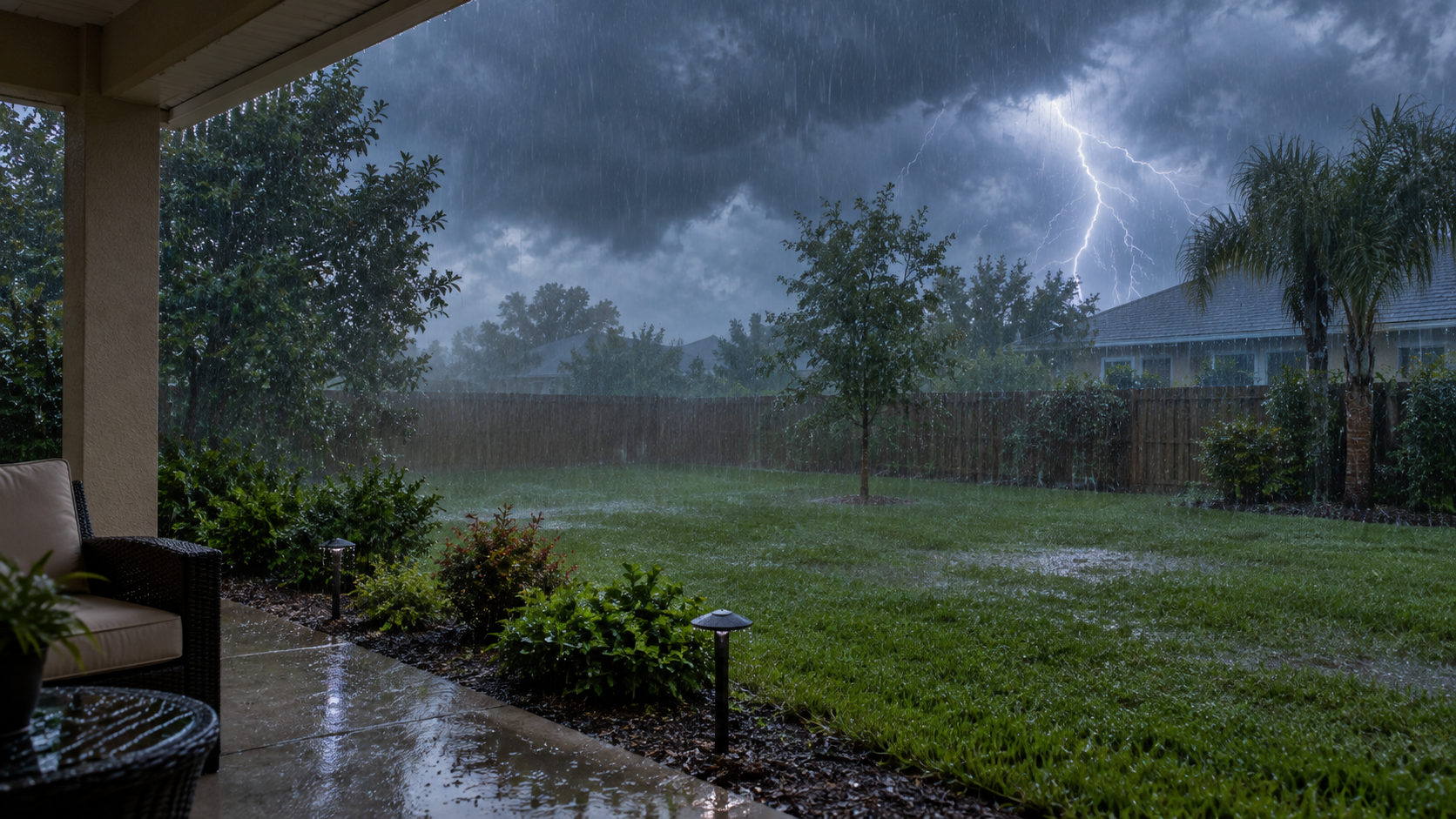
Wind and rain aren't the only things a storm brings to Tampa Bay. Once the water starts rising, pests start moving too — and your home looks a lot more appealing than a flooded yard.
Heavy storms push insects and wildlife out of their normal hiding spots and send them looking for higher, drier ground. Knowing what to expect after a storm, and sealing things up before it hits, can save you a much bigger pest problem during cleanup.
Why Storms Push Pests Indoors
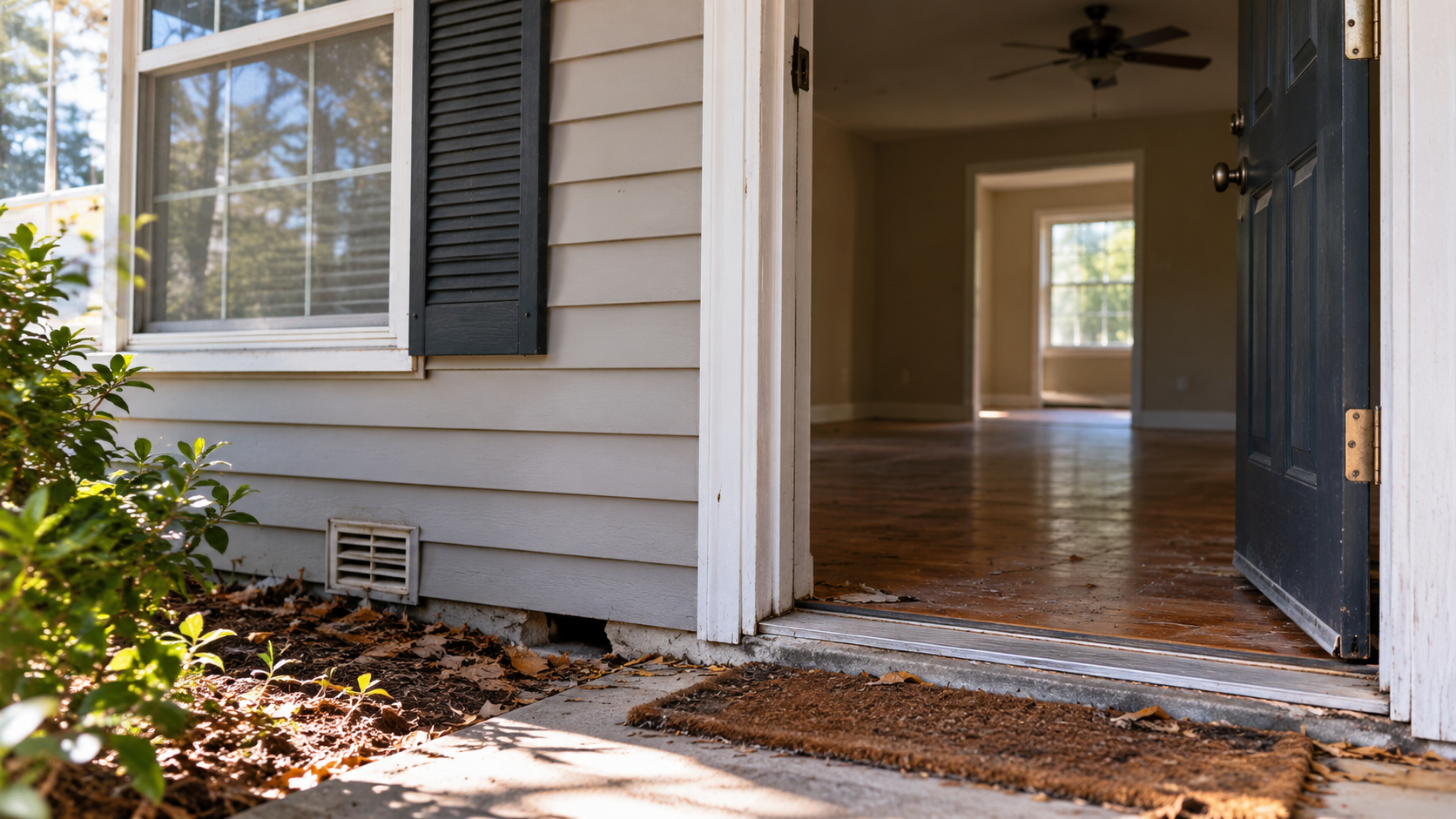
When heavy rain floods yards and low-lying areas, it fills in the burrows, nests, and hiding spots that insects and small animals normally use. Rather than stay in the water, they look for the nearest dry, safe place — and a house with cracks, gaps, or storm damage is an easy target. Power outages and standing water only make things more inviting, since pests are drawn to the same moisture and shelter that becomes harder for homeowners to manage during a storm.
Pests to Expect After a Storm
Mosquitoes
- Why
- Standing water left behind by the storm becomes a breeding site within days
- Watch For
- Buckets, tarps, gutters, and yard debris holding rainwater
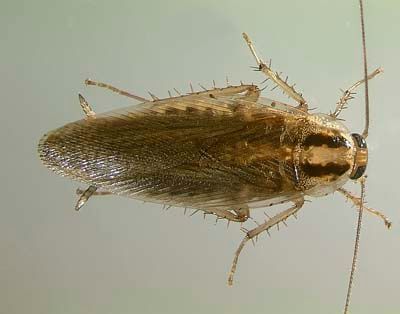
Cockroaches & Rodents
- Why
- Flooding drives them out of drains, burrows, and yards toward higher, drier ground
- Watch For
- Activity near damaged screens, gaps under doors, and storm-damaged siding
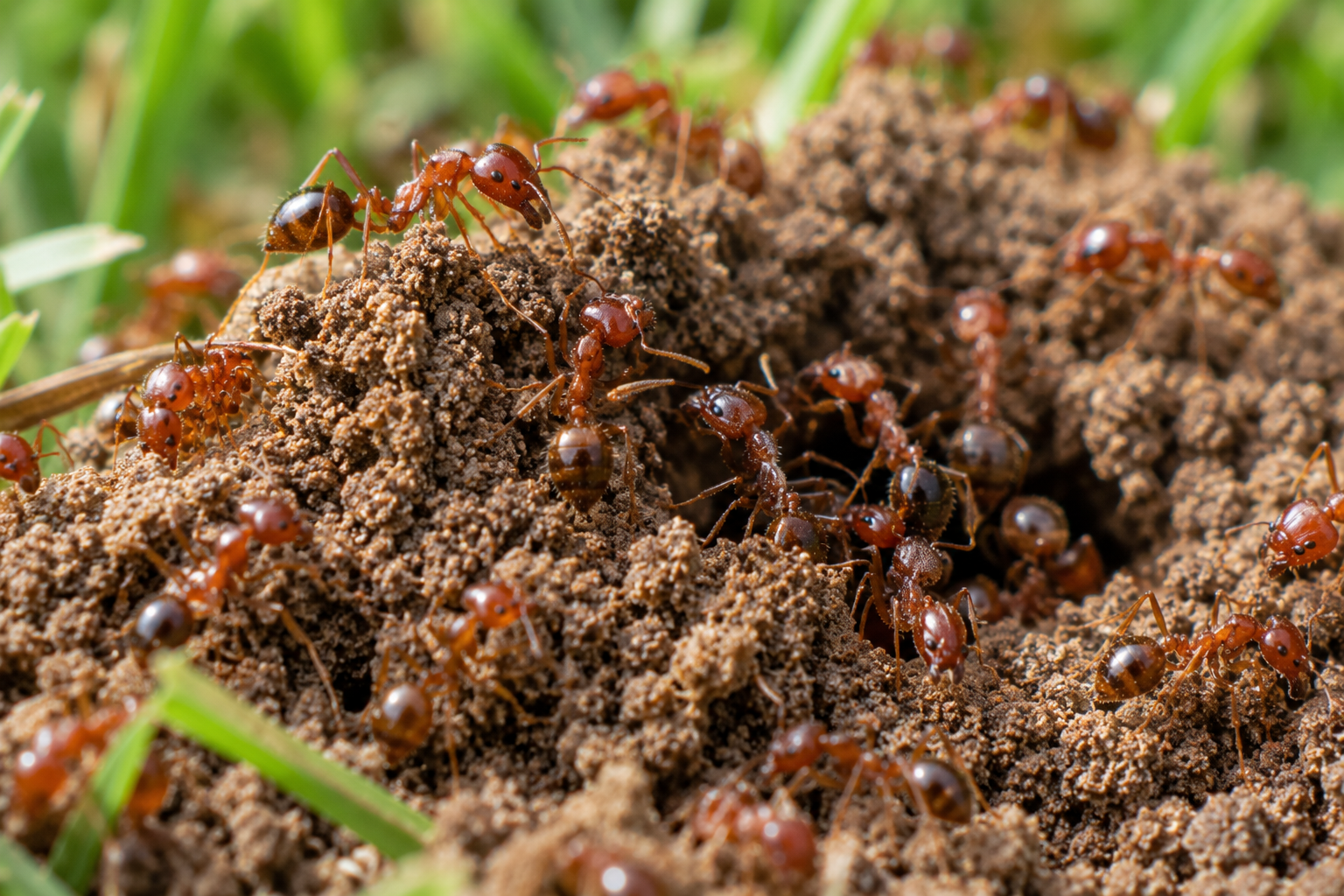
Fire Ants
- Why
- Colonies escape flooded nests by forming floating rafts of ants
- Watch For
- Ant rafts drifting in standing water during yard cleanup
Be careful during cleanup. Fire ant rafts can drift into yards and puddles after flooding, and disturbing one can send angry ants straight up your legs. Give any floating clump of ants a wide berth while clearing storm debris. For more on how these ants behave, see our fire ants guide.
It's Part of a Bigger Rainy Season Pattern
A hurricane is just a rainy season problem turned up to full volume. The same forces that send ants into your home after a regular downpour, covered in our why ants invade after rain guide, are at work during a storm, just on a larger scale. Poor yard drainage makes it worse either way, which is why our yard drainage guide is worth a look before the next storm rolls through. Mosquito numbers also tend to climb for weeks afterward, so it's a good time to revisit our mosquito prevention tips as well.
Before vs. After the Storm
| Task | Before the Storm | After the Storm |
|---|---|---|
| Standing Water | Empty containers, buckets, and saucers that could collect rain | Dump out anything holding water within a day or two |
| Home Entry Points | Check screens, door sweeps, and vents for gaps | Cover any new gaps caused by storm damage right away |
| Yard Debris | Trim back vegetation touching the house | Clear fallen debris promptly so it doesn't hold moisture |
Signs Pests Have Already Moved In
Ants, roaches, or spiders suddenly appearing indoors after a storm
A noticeable jump in mosquito bites around the yard
Scratching sounds or droppings in the attic or garage after flooding nearby
What to Do During Storm Cleanup
Clear Standing Water First
Drain puddles and containers around the property as soon as it's safe to do so, to cut off mosquito breeding early.
Seal Storm Damage
Cover any new gaps in the roof, screens, siding, or doors so pests displaced by flooding can't get inside.
Watch for New Activity
Keep an eye out for pests over the next few weeks, since some problems take time to show up after the storm passes.
Storm Season Prevention Checklist
- Empty anything that can collect rainwater before a storm arrives
- Inspect and repair door sweeps, screens, and vent covers ahead of hurricane season
- Keep gutters clear so water drains away from the foundation
- Avoid disturbing floating fire ant rafts during yard cleanup
- Schedule a post-storm inspection if your property saw flooding or major damage
Storm Season Doesn't Have to Mean a Pest Problem
Get ahead of it with a professional inspection before or after the next storm. InsectIQ has an entomologist on staff who can help you prepare your property before storm season and handle any pest pressure that shows up afterward.
Contact Us for a Quote