
What Attracts Cockroaches in Florida Homes? Causes & Prevention
Discover what attracts cockroaches in Florida homes, including food, moisture, and hiding spots. Learn how to prevent infestations and keep roaches out for good.
What Attracts Cockroaches in Florida Homes?
Cockroaches are one of the most frustrating pests Florida homeowners deal with, and once they show up they rarely leave on their own. If you’re seeing roaches in your home, there’s a reason. These pests are drawn to specific conditions, and Florida’s warm, humid climate creates the perfect environment for them to thrive.
Understanding what attracts cockroaches is the first step toward eliminating them and keeping them from coming back.
Why Cockroaches Are So Common in Florida
Florida provides everything cockroaches need to survive: heat, moisture, and plenty of food sources. Unlike colder regions where pest activity slows down, roaches remain active year-round here.
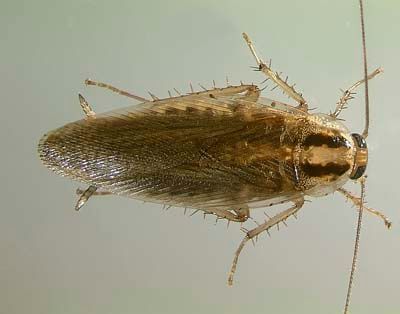
Common species like German cockroaches and American cockroaches are especially well-adapted to living both indoors and outdoors, making infestations more likely if conditions are right.
The 4 Biggest Cockroach Attractants
Food Sources
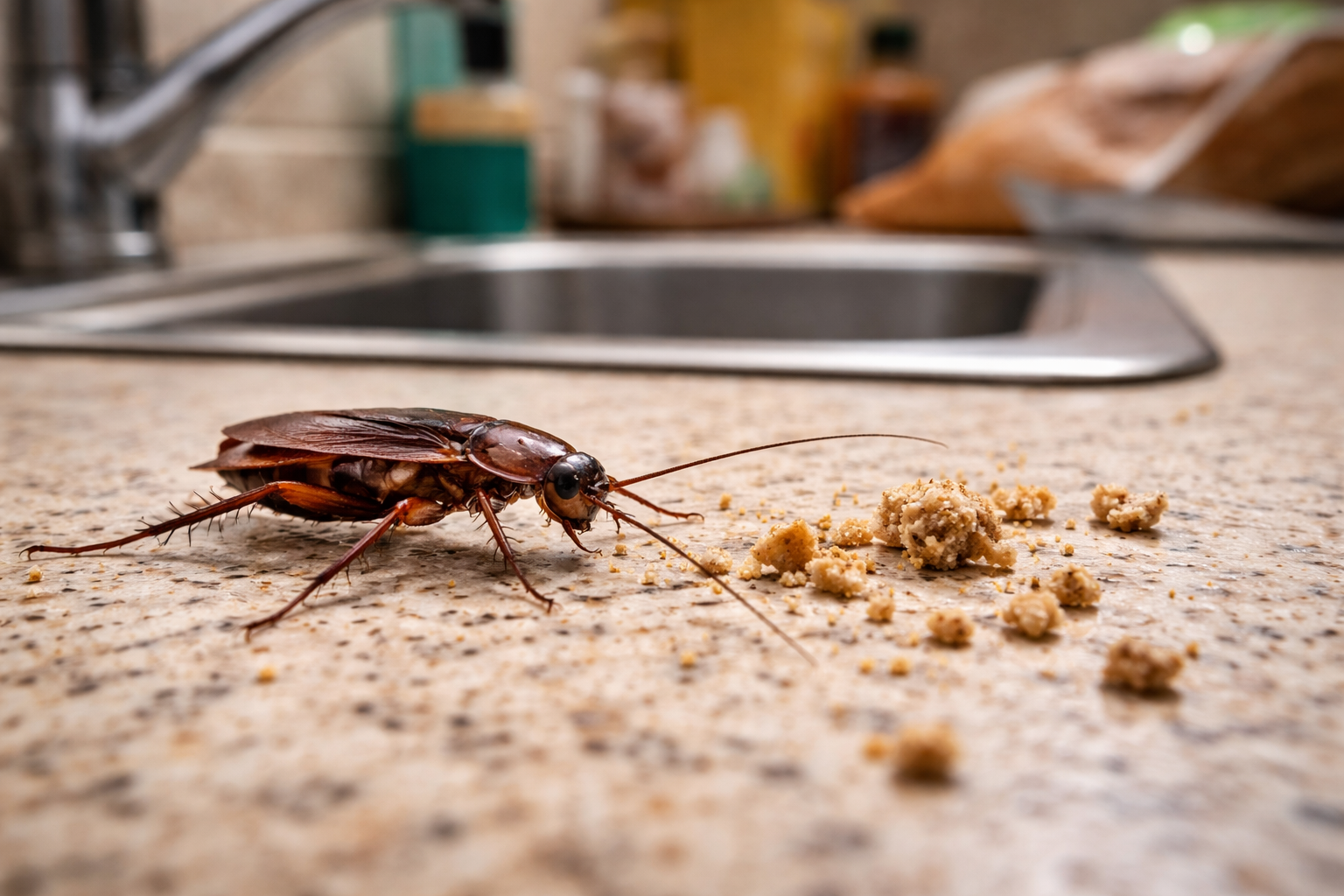
Cockroaches are scavengers and will eat almost anything. Even small amounts of food can attract them into your home. Common food-related attractants include:
- Crumbs on floors and countertops
- Dirty dishes left in the sink
- Grease buildup on stovetops and appliances
- Pet food left out overnight
- Unsealed pantry items
Roaches don’t need much to survive—tiny food particles are enough to keep them coming back.
Moisture and Humidity
If there’s one thing cockroaches love as much as food, it’s moisture. Florida homes naturally have higher humidity levels, which makes them appealing. Sources include:
- Leaky pipes under sinks
- Standing water in sinks or tubs
- Damp sponges and cleaning rags
- Condensation around AC units
- Poor ventilation in bathrooms and kitchens
American cockroaches are especially drawn to damp areas near drains or plumbing systems.
Clutter and Hiding Spots
Cockroaches prefer dark, hidden spaces where they can stay undisturbed. The more clutter in your home, the more places they have to hide and reproduce.
- Cabinets and pantries
- Behind appliances like refrigerators and stoves
- Cardboard boxes and storage areas
- Wall voids and cracks
Once roaches establish hiding spots, infestations can grow quickly without being noticed.
Easy Entry Points
Even the cleanest homes can develop roach problems if pests are able to get inside. Cockroaches can squeeze through incredibly small openings. Points include:
- Gaps around doors and windows
- Cracks in the foundation
- Openings around pipes and utility lines
- Garage doors and attic vents
In many cases, roaches are already living outside and simply move indoors in search of food and water.
Why DIY Solutions Often Fall Short
Store-bought sprays and traps may kill visible cockroaches, but they don’t eliminate the source of the problem. Roaches often nest in hidden areas, and without targeting those nesting sites, infestations will continue.
Additionally, some species reproduce rapidly, meaning a small problem can become a major infestation in a short amount of time.
How Professional Pest Control Solves the Problem
Effective cockroach control requires more than just surface-level treatment. A professional approach focuses on identifying attractants, eliminating active infestations, and preventing future activity. This typically includes:
- Targeted treatments for specific cockroach species
- Identifying and addressing moisture and entry issues
- Ongoing monitoring and preventative applications
With the right plan in place, you can break the cycle and keep your home protected long-term.
Take Control of Cockroaches in Your Home
If you’re noticing cockroaches in your home, there’s a reason they’re there—and it won’t fix itself. Addressing the root causes is the key to getting lasting results.
Contact Insect IQ today to schedule your pest control service and keep cockroaches out of your home for good.
Schedule Your Service