Raccoons in Florida Homes: Why Professional Exclusion Matters
Raccoons can tear through soffits, vents, and roofing in Florida homes. Learn why DIY exclusion fails and why professional raccoon removal matters.
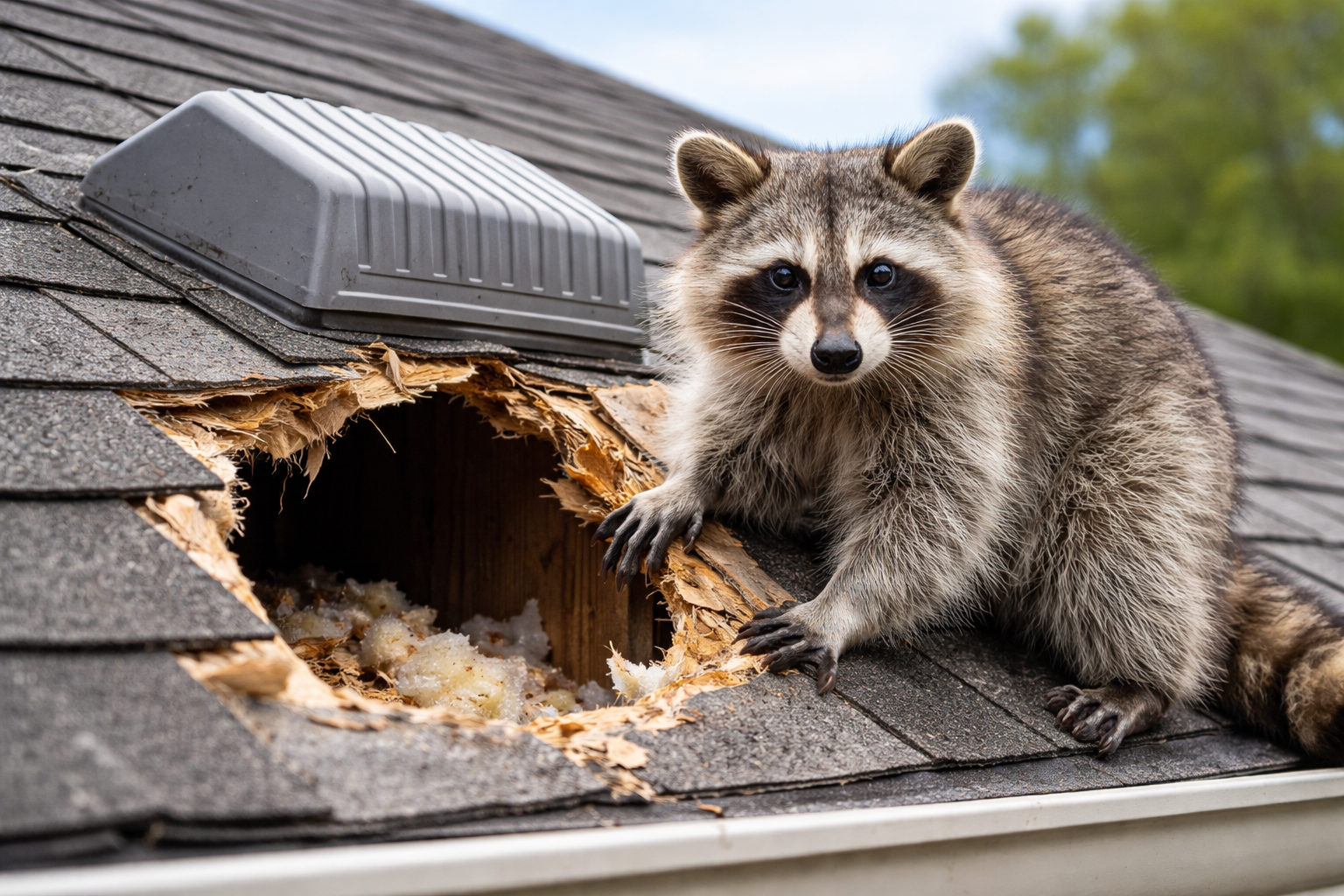
Raccoons are one of the most destructive Nuisance Wildlife species affecting Florida homes. Their strength, intelligence, and persistence make them especially dangerous when they target roofs, soffits, and attic spaces.
If a raccoon wants inside your home, weak repairs and DIY exclusion attempts rarely hold up. In many cases, improper work makes the damage worse. Here’s what Florida homeowners need to know.
How Raccoons Create Their Own Entry Points
Unlike smaller wildlife that rely on existing gaps, raccoons frequently create their own openings. Raccoons are extremely strong and dexterous. Their front paws function almost like hands, allowing them to grip, pry, and peel materials apart. A determined raccoon can rip through aluminum soffits, bend vent covers, and tear open weak roofing materials in a single night.
Common Florida Entry Points
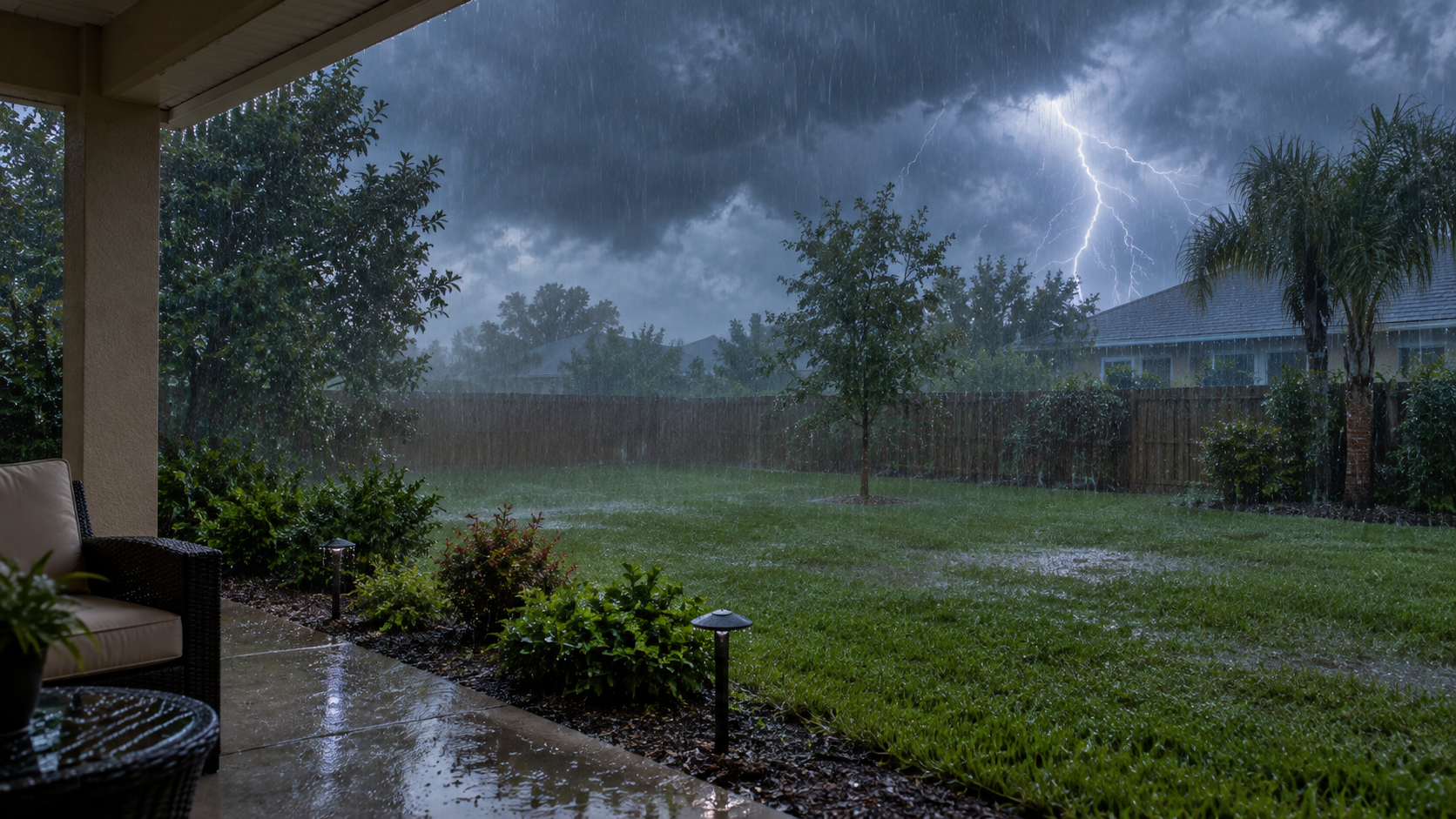
Florida’s humidity and storm seasons can weaken rooflines over time, creating vulnerable areas:
- Roof soffits and fascia boards
- Roof vents and gable vents
- Weak shingle edges
- Rotten or weather-damaged wood
Why DIY Materials Fail
Many homeowners attempt temporary fixes that are rarely effective against raccoons, such as:
- Light-gauge screening
- Foam sealants
- Thin flashing
- Simple patch panels
The Risks of Raccoon Re-Entry
If a raccoon has already established a den in your attic, it will aggressively attempt to re-enter, resulting in repeated tearing at repaired sections, new entry points, and expanded structural damage.
Failed exclusion can lead to escalating health risks and property damage. Raccoons inside attics can:
- Destroy insulation and damage HVAC ductwork
- Contaminate attic spaces with urine and feces
- Chew electrical wiring
- Create persistent odor problems
Raccoons are also known carriers of raccoon roundworm (Baylisascaris), leptospirosis, and rabies. In Florida’s warm climate, contamination and odor issues can intensify quickly.
Why Professional Raccoon Removal Is Critical
Effective raccoon exclusion is not simply about sealing a hole. Professional wildlife control technicians understand raccoon behavior and know that exclusion must be reinforced and secured properly to prevent prying or peeling.
The Structured Approach
Proper exclusion requires:
- Full inspection of roofline and structure
- Identification of all potential entry points
- Thorough removal and confirmation no young are present
- Reinforcement with heavy-duty materials
Why It's Trickier Than It Looks
If one access point is secured improperly, adaptable raccoons may:
- Move along the roofline to find another weakness
- Target a nearby vent or soffit corner
- Tear into previously unaffected areas
In Florida, homes often have multiple architectural features that create potential vulnerabilities. This is why professional wildlife exclusion focuses on long-term prevention, not temporary repairs. Without proper reinforcement, raccoons will return.
Schedule a Professional Raccoon Inspection Today
If you are hearing heavy thumping, scratching, or movement in your attic, do not attempt to seal entry points yourself. Improper repairs can trap raccoons inside, cause additional damage, and increase contamination risks. Here at Insect IQ, we provide:
- Professional raccoon removal
- Full-structure exclusion and reinforcement
- Florida-compliant wildlife control methods
The sooner raccoon activity is addressed, the less damage your home will sustain. Call us today at 813-930-2847 to schedule your inspection.
Contact Us Today