
Why Ants Invade Your Home After Rain
Ants suddenly inside after a storm? It's not random — flooded nests drive them indoors fast. Learn why it happens and how to stop it.
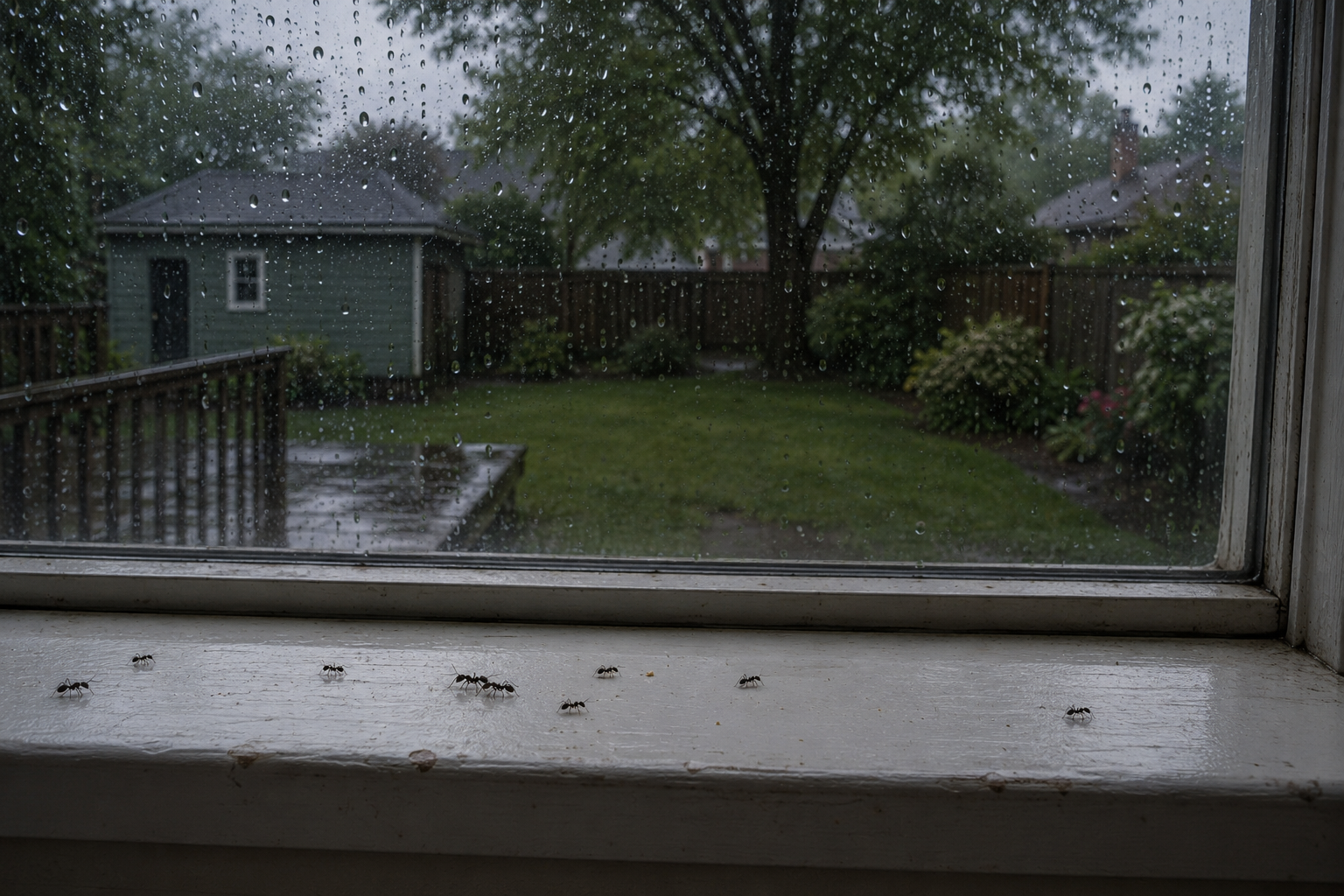
Why Ants Suddenly Invade Your Home After It Rains
It happens almost every time: the afternoon storm rolls through, the rain stops, and twenty minutes later there's a trail of ants crossing your kitchen floor. It feels random, but it isn't. There's a very simple reason ants flood inside after heavy rain — and once you understand it, the fix becomes a lot clearer.
Here's exactly what's happening underground when it rains, which ants are most likely to come inside, and what you can do to stop them.
What's Really Happening When Rain Brings Ants Inside
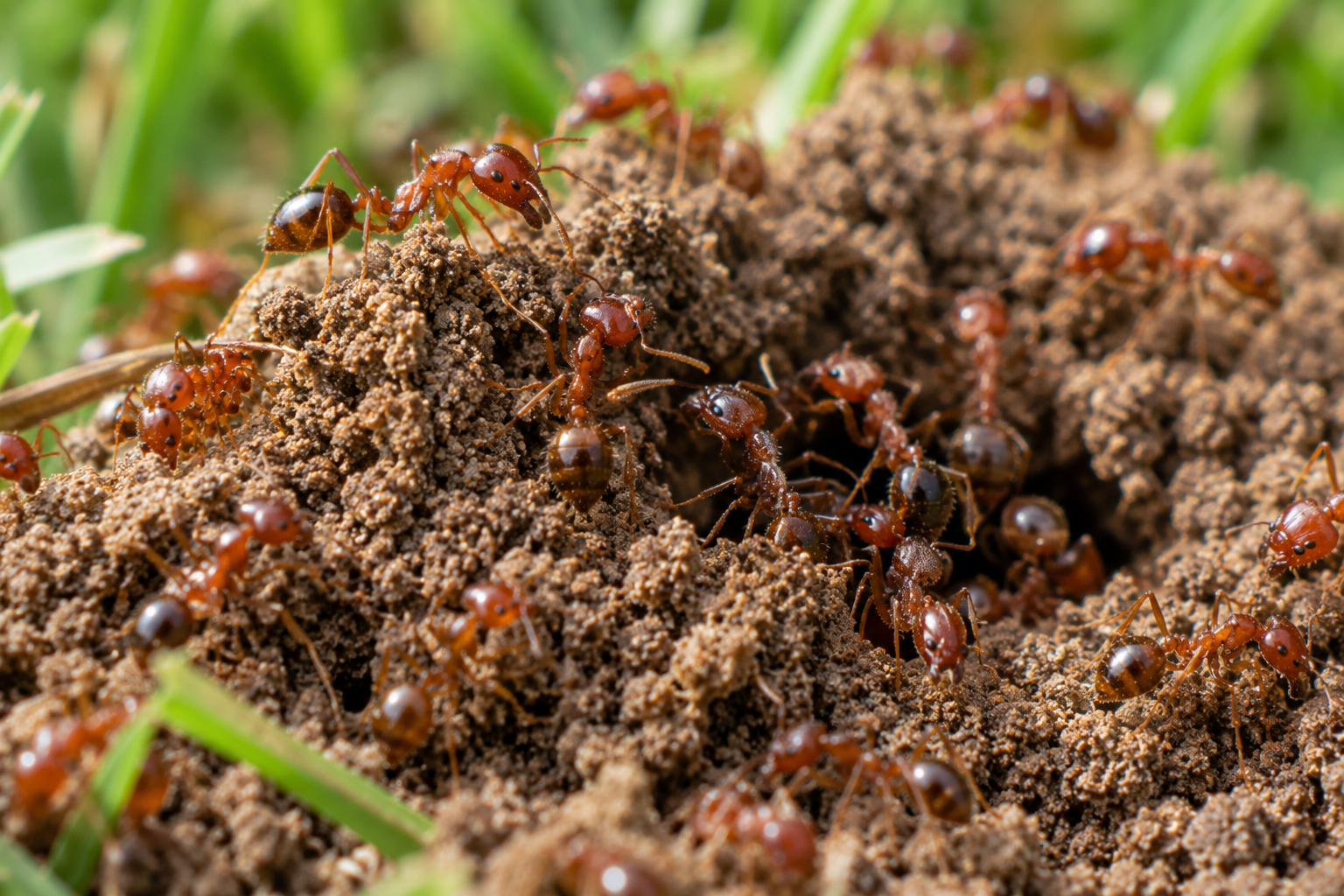
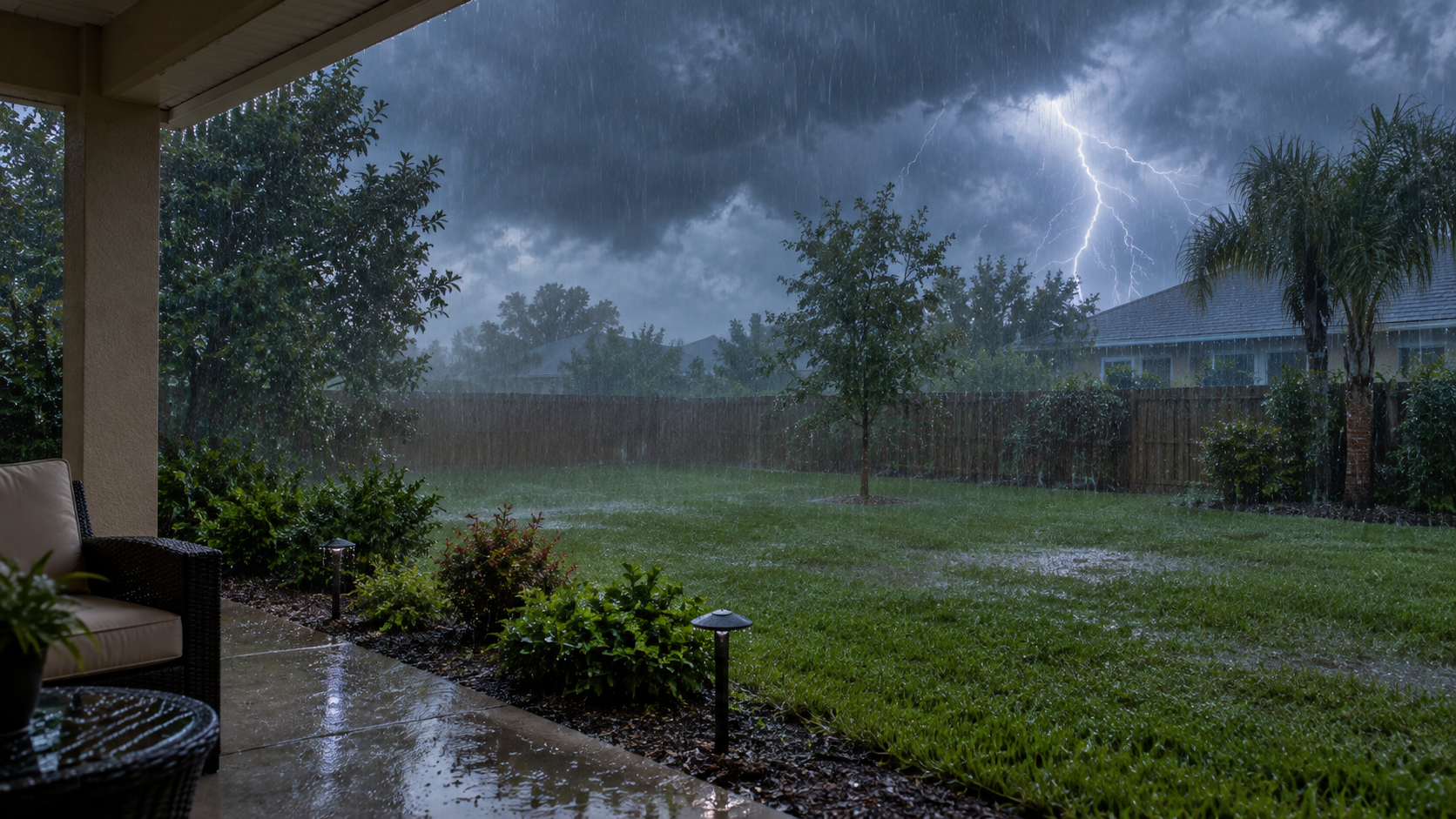
Ant colonies live underground, and their tunnels and nest chambers are built to handle light moisture. But when heavy rain hits — the kind Tampa Bay gets almost every afternoon from June through October — the soil can't absorb water fast enough. The nest floods. Eggs, larvae, and the queen herself are suddenly in danger of drowning.
So the colony does the only thing it can: it moves. Workers carry the eggs to higher, drier ground as fast as possible. Your home, with its dry floors, warm walls, and easy food sources, is exactly the kind of shelter a flooded ant colony is looking for. What looks like a random ant invasion is actually a colony in full emergency mode.
Why your yard's drainage matters: Yards with poor drainage flood faster and more deeply, which means ant colonies get displaced more often and more urgently. If you're seeing ants inside after every rain, the problem may actually start with how water moves — or doesn't — through your yard. Our guide on yard drainage problems that invite pests covers how to spot and fix the conditions that make this worse.
Which Ants Are Most Likely to Come Inside After Rain
Not every ant species reacts to rain the same way. These three are the ones Tampa Bay homeowners most commonly find inside after a storm.
- Why Rain Drives Them In
- Their large, shallow colonies flood easily in sandy Florida soil
- Where They Show Up
- Kitchen floors, baseboards, and near pet food bowls
- How to Spot Them
- Look for a mix of tiny workers and a few much larger, big-headed soldiers in the same trail — learn more about big-headed ants here
- Why Rain Drives Them In
- Tiny colonies scatter quickly when soil becomes saturated
- Where They Show Up
- Countertops, bathroom sinks, and anywhere moisture collects indoors
- How to Spot Them
- Nearly invisible pale legs and abdomen with a darker head; very hard to see on light surfaces
- Why Rain Drives Them In
- Saturated wood around windows and doors becomes easier to tunnel through after prolonged rain
- Where They Show Up
- Window frames, door frames, and areas where water may have gotten into wood
- How to Spot Them
- Large, reddish-black ants — much bigger than most Florida ants; often seen at night
When Ants After Rain Are More Than Just a Nuisance
Signs the Problem Is Bigger Than One Storm
What to Do When Ants Come Inside After Rain
Spraying workers with store-bought spray scatters the trail but rarely reaches the queen. The colony survives and finds a new route in — often faster than before.
Try to trace where the ants are coming in and where the trail leads outside. The entry point and the direction give a professional a head start on finding the nest.
A bait-based professional treatment reaches the queen through the workers — which is the only way to eliminate the colony rather than just redirect it.
How to Make Your Home Less Inviting When It Rains
- ✓ Seal gaps around doors, windows, and where pipes enter the wall. These are the most common routes ants use to get inside when they're fleeing a flooded nest.
- ✓ Fix any drainage problems in your yard. The fewer flooded nest sites there are near your home, the fewer colonies get pushed toward it. Our yard drainage guide covers the specific fixes that matter most.
- ✓ Keep mulch and soil pulled back from the foundation. Mulch beds touching the house give ants a moist, sheltered path straight to your walls.
- ✓ Clean up crumbs, spills, and food residue right away. A colony that floods inside and immediately finds food is far more likely to stay than one that finds nothing.
- ✓ Store pet food in sealed containers. Open bags and uncovered bowls are one of the biggest reasons ants stay indoors long after the rain dries up.
- ✓ Schedule a perimeter treatment before rainy season peaks. A professional barrier treatment applied around the foundation gives colonies far fewer entry options when flooding pushes them toward the house.
Ants Showing Up Every Time It Rains?
InsectIQ has entomologists on staff who can identify exactly which ant you're dealing with, find where the colony is nesting, and treat it the right way — not just the trail..
Contact Us Today!