
Mosquito Awareness Week 2026: Protect Your Yard
It's National Mosquito Control Awareness Week. Learn what diseases Florida mosquitoes can spread, how to stop breeding, and when to call InsectIQ.
National Mosquito Control Awareness Week: What Every Florida Homeowner Should Know
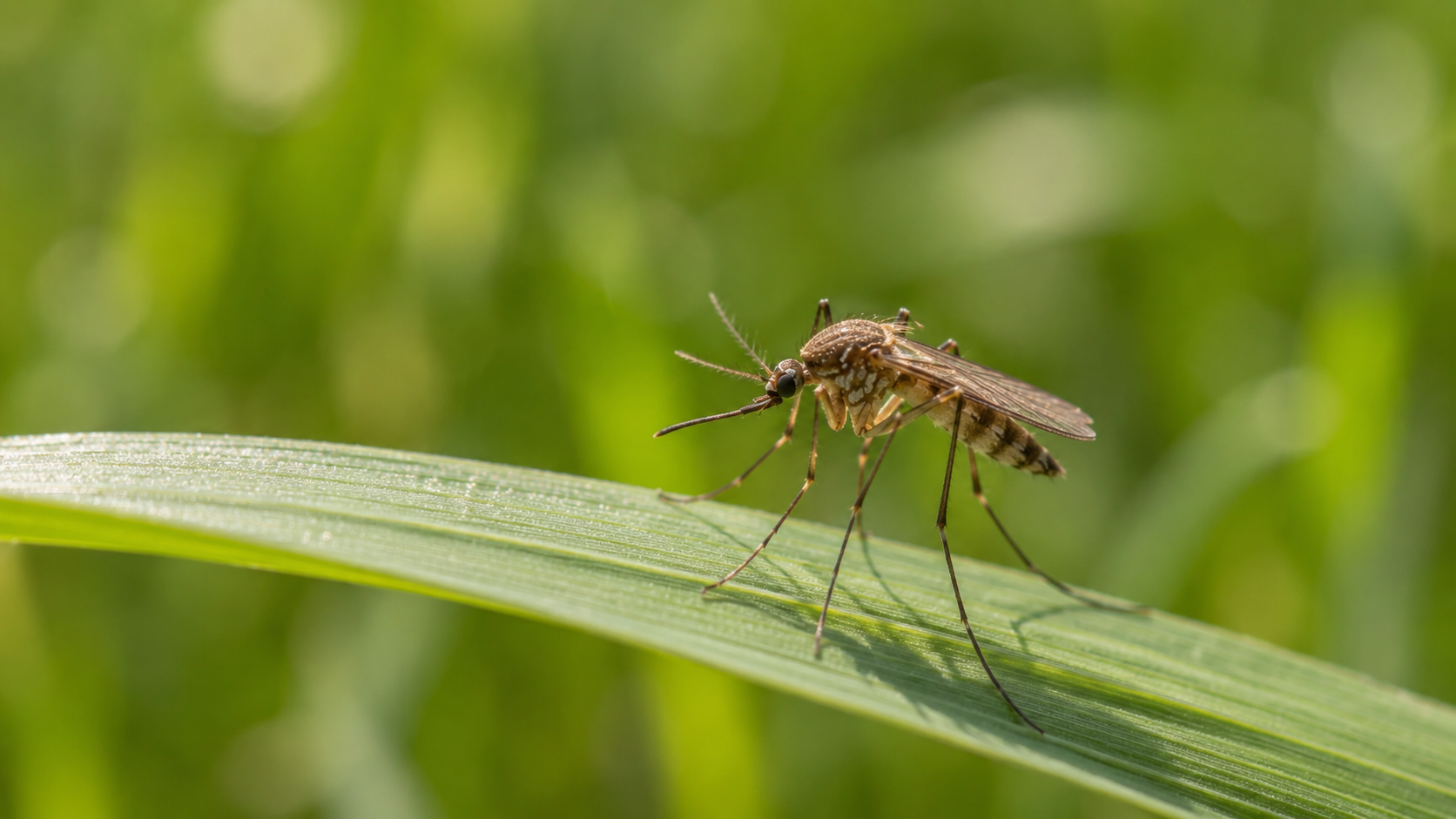
It's National Mosquito Control Awareness Week, and if you live in Florida, you already know why that matters. Mosquitoes aren't just an annoying buzz at your next cookout — they're one of the biggest pest-related health risks in the whole state.
Here's why this week exists, what mosquitoes can actually do, and the simple steps that make the biggest difference around your home.
What Is National Mosquito Control Awareness Week?
National Mosquito Control Awareness Week is a yearly event created by the American Mosquito Control Association. Its goal is simple: help people understand why mosquito control matters, not just for comfort, but for public health.
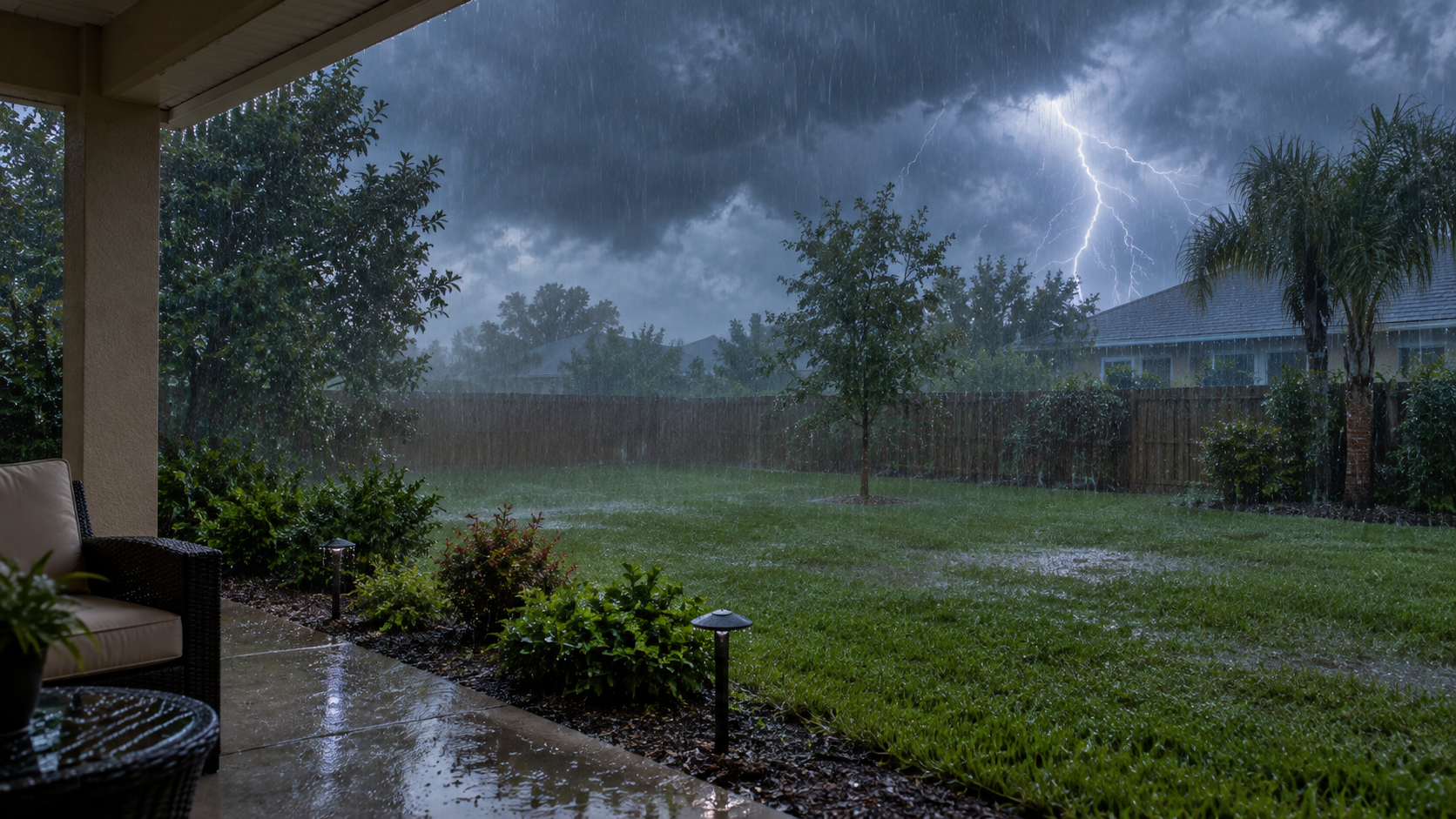
In Florida, this week lines up almost perfectly with the start of our rainiest months. More rain means more standing water, and standing water is the one thing every mosquito needs to lay eggs. That's why late June through October is when mosquito activity — and mosquito risk — climbs the fastest here.
Fun fact: Only female mosquitoes bite. They need a blood meal to develop their eggs. Males feed on nectar and plant juices and never bite people or animals at all.
Mosquitoes Florida Homeowners Should Know
Not all mosquitoes behave the same way. These three are the ones most commonly found biting people around Tampa Bay homes and yards.
(Yellow Fever Mosquito)
- Appearance
- Dark body with white markings on the legs, shaped like little silver scales
- Active When
- Daytime, especially early morning and late afternoon
- Where It Breeds
- Small containers around the home — buckets, plant saucers, bottle caps
(Asian Tiger Mosquito)
- Appearance
- Black body with a single white stripe running down its back
- Active When
- Daytime, very aggressive biter even in shaded areas
- Where It Breeds
- Tires, gutters, tree holes, and any small pool of standing water
(Southern House Mosquito)
- Appearance
- Light brown body, no distinct stripes or markings
- Active When
- Dusk, dawn, and after dark
- Where It Breeds
- Storm drains, ditches, and standing water with organic debris
How Mosquitoes Find You
Mosquitoes don't see you first — they smell you. They're drawn to the carbon dioxide you breathe out, plus the sweat and body heat your skin gives off. That's why mosquitoes seem to find some people faster than others; it's about body chemistry, not bad luck.
Dark clothing makes it easier for mosquitoes to spot you visually once they're close, which is one more reason light-colored, loose clothing helps during peak biting hours.
Are Mosquito Bites Actually Dangerous?
Signs You Have a Mosquito Problem at Home
The 3 D's of Mosquito Prevention
Empty standing water from gutters, planters, bird baths, and tires at least once a week. Mosquitoes only need a few days to lay eggs in still water.
Wear long sleeves, pants, and light-colored clothing during dawn and dusk, when most mosquito species are biting the most.
Apply an EPA-registered insect repellent anytime you're outside during peak biting hours, and follow the label directions.
Make Your Yard Less Mosquito-Friendly This Week
- ✓ Empty and scrub bird baths, pet bowls, and plant saucers weekly. Even a bottle cap of water is enough for mosquitoes to lay eggs.
- ✓ Clean out clogged gutters. Leaf-clogged gutters trap rainwater and are one of the most common backyard breeding spots.
- ✓ Store unused buckets and containers upside down. Anything that can collect rainwater can become a nursery for mosquito eggs.
- ✓ Keep grass cut and shrubs trimmed back. Mosquitoes rest in cool, shaded vegetation during the heat of the day.
- ✓ Schedule a mosquito treatment if your yard borders woods or water. Properties near ponds, canals, or wooded areas see far more mosquito pressure all season long. InsectIQ's mosquito control service can treat your yard before activity peaks.
Tired of Being Eaten Alive in Your Own Yard?
InsectIQ has entomologists on staff who can identify exactly what's breeding on your property and recommend the right treatment plan. Contact us today to learn more about our services!
Schedule Service Today!