
Tick Control in Florida: Why Activity Is High
Ticks are active in Florida now. Learn why and how to control them with effective prevention and treatment methods.
Ticks in Florida: High Activity and What You Need to Know
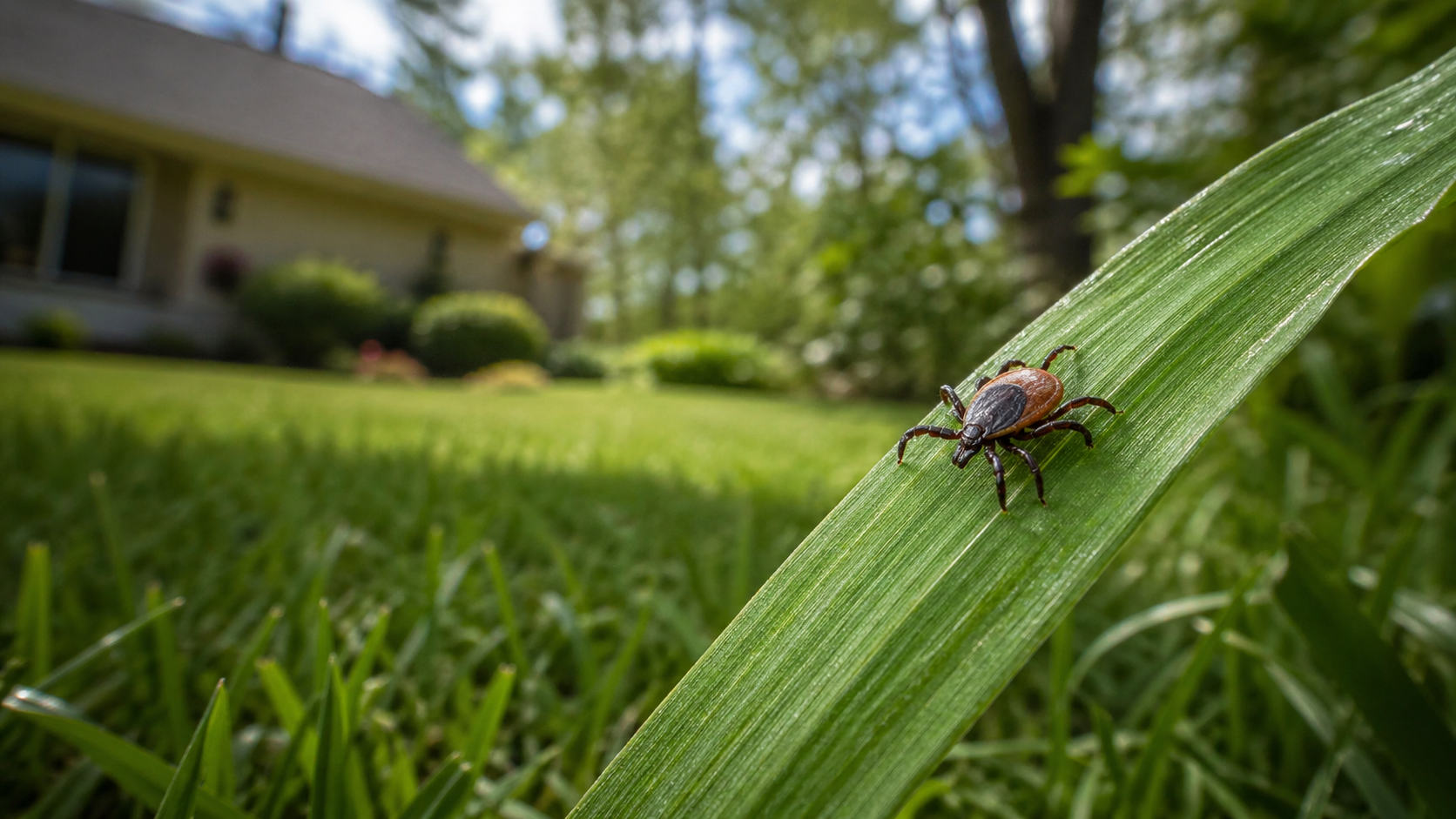
Tick activity across Florida remains high, even during dry conditions. Many homeowners expect ticks to slow down during a drought, but that is not always the case. Instead of disappearing, ticks adjust their behavior and become more concentrated in the areas where they can survive.
These pests are commonly found in shaded landscapes, along fence lines, and anywhere pets or wildlife travel. As outdoor conditions shift, ticks continue to seek hosts, increasing the chances of contact with people and animals. This makes awareness and prevention especially important right now.
Why Tick Populations Are Still High
During drought conditions, ticks move into cooler, shaded, and more humid microenvironments. Irrigated lawns, dense shrubs, mulch beds, and wooded edges become ideal hiding spots. Instead of being spread out, tick populations become more concentrated in these protected areas.
Wildlife Influence: Animals such as deer, rodents, and stray pets carry ticks across properties, introducing them into yards and maintaining infestations regardless of weather conditions.
Problems Ticks Can Cause
Risks to Pets
Ticks can cause skin irritation, allergic reactions, and serious health concerns. Because they attach and feed over time, infestations often go unnoticed until they become severe.
Risks to Homeowners
Ticks can be brought indoors on clothing or pets. Once inside, they can hide in carpets, furniture, and bedding, making them difficult to detect and eliminate.
How to Get Rid of Ticks in Florida Yards
Effective tick control starts with reducing the conditions that allow them to survive. Even in dry weather, certain areas of your property can still support tick populations.
Yard Maintenance
- Keep grass trimmed and remove excess vegetation
- Clear leaf litter and yard debris
- Focus on irrigation zones and dense landscaping
Wildlife Exclusion
- Seal gaps in fencing and structures
- Secure trash cans to reduce attractants
- Limit wildlife access to shaded areas
Ticks are resilient and often require professional treatment for full control. Targeted applications and ongoing service help eliminate active populations and prevent them from returning. Without consistent management, ticks can quickly reestablish themselves.
Take Control of Tick Activity with Professional Help
If you are noticing increased tick activity around your home or business, it is important to act early. Ticks do not need ideal conditions to persist, and populations can build quickly when left untreated.
Contact Insect IQ today to schedule your service and keep your home and yard protected from ticks year-round.
Protect Your Home Now