
Ants in Your Kitchen in Florida?
Discover why ants invade Florida kitchens, the risks they bring, and how to identify common species. Get expert help today.
Ants in Your Kitchen in Florida: Causes, Risks, and Solutions
Ants Coming Into Your Florida Home
You walk into your kitchen for a cup of coffee and see a trail of ants marching across the counter. In Florida, this is a common problem. Warm temperatures and high humidity create the perfect environment for ants to thrive year-round. Once they find food or water inside your home, they rarely leave on their own.
Ants in your kitchen are more than a nuisance. They move quickly, build large colonies, and often return even after you clean the surface. Without proper treatment, a small trail can turn into a full infestation.
What Is Causing Ants to Come Into Your Home?
Ants enter Florida homes for three main reasons: food, water, and shelter.
Food Sources
Even tiny crumbs attract ants. Sugar, grease, pet food, and spills on countertops or floors are easy targets. Ants leave scent trails to guide other ants to these food sources. That is why you often see them traveling in lines.
Moisture Problems
Florida’s humidity plays a major role. Leaky pipes under sinks, damp cabinets, or condensation around appliances create ideal conditions for ants. Kitchens provide both moisture and food, making them a prime location.
Structural Entry
Because ants are small, they only need a tiny gap to get inside. They often enter through:
- Small cracks in the walls
- Gaps around windows and doors
- Openings around plumbing lines
- Damaged weather stripping
Risks of Having an Ant Infestation in Your Home
Many homeowners underestimate the risks of ants. However, infestations can cause serious problems.
- Food Contamination: Ants travel through soil, garbage, and other unsanitary areas before entering your kitchen. When they crawl across food preparation surfaces, they can spread bacteria.
- Structural Damage: Some species nest inside walls or under flooring. Over time, large colonies can expand and become difficult to control without professional help.
- Painful Stings: Certain ants in Florida, especially fire ants, can sting. This creates a health risk for children, pets, and anyone with allergic reactions.
- Rapid Colony Growth: Ant colonies can contain thousands of ants. If the queen is not eliminated, the infestation will continue.
What are the Most Common Ants in Florida?
Accurate knowledge is key to effective treatment. Because each species behaves differently, treatment methods must be targeted to the specific ant. Here are four common ant species found in Florida kitchens and homes.
Big-Headed Ant
The Big-Headed Ant is known for its large-headed worker ants. These ants often nest in soil but may enter homes in search of food. You may notice small piles of dirt along baseboards or near entry points.
Fire Ant
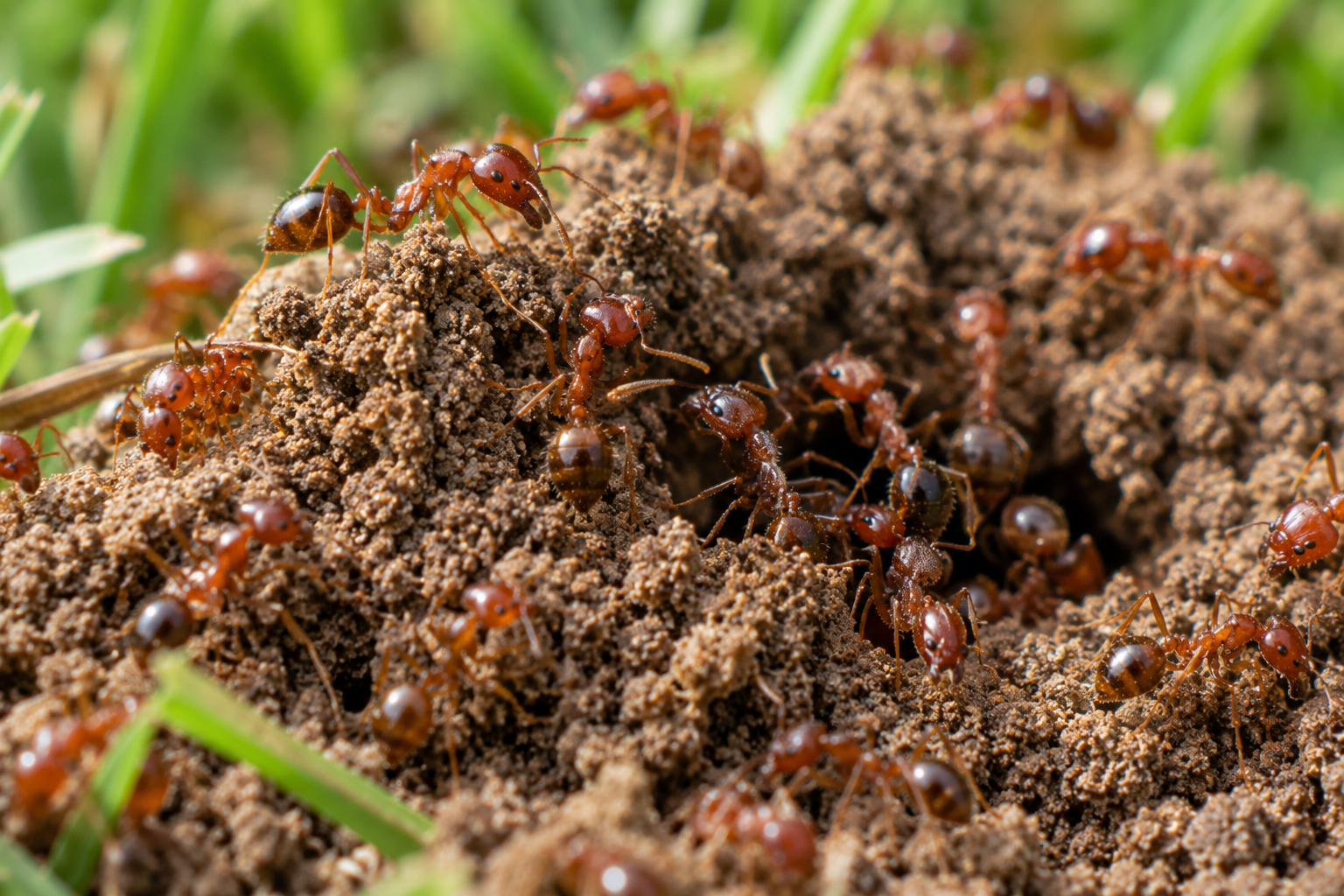
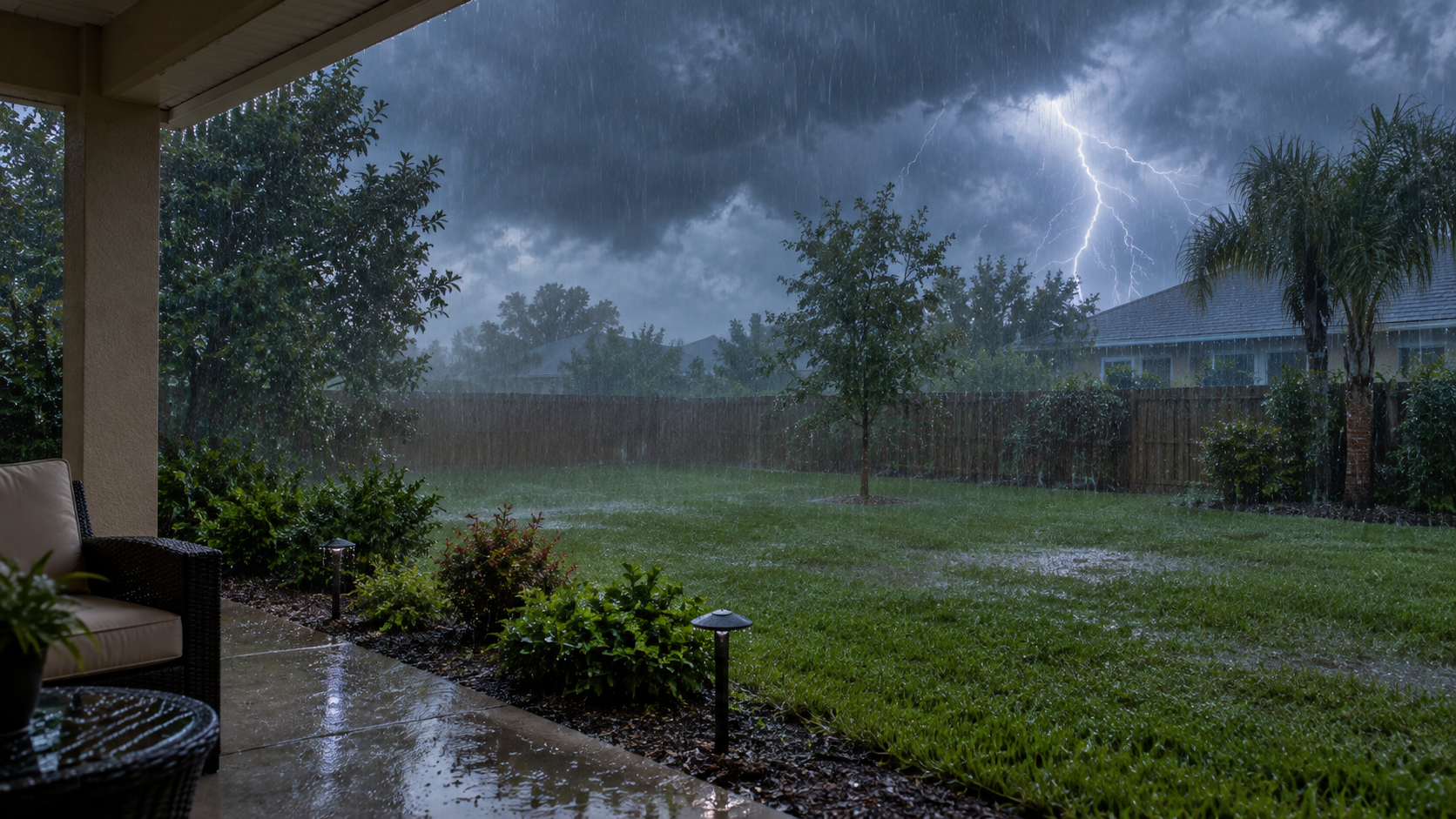
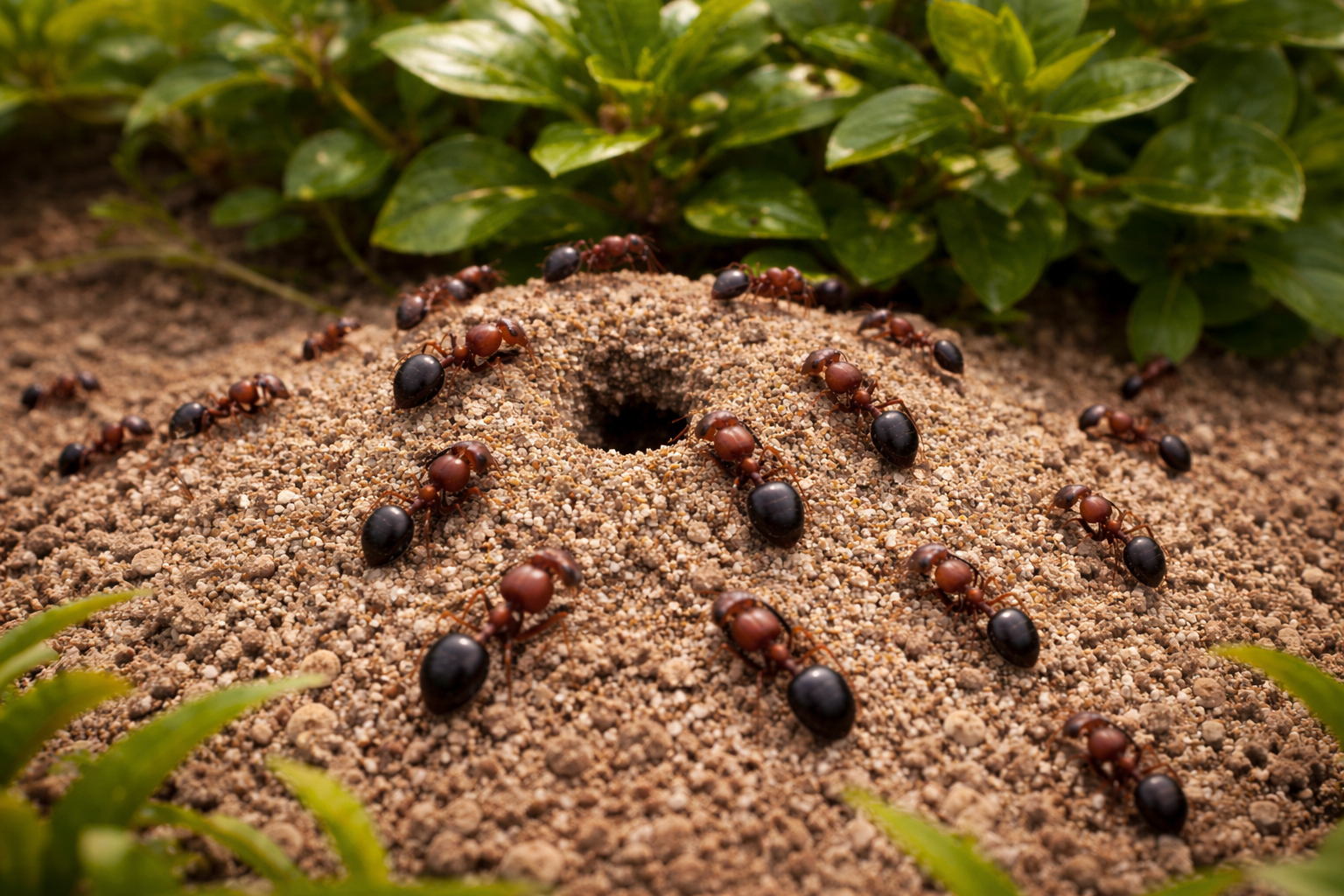
Fire ants are aggressive and known for their painful stings. While they usually build mounds outdoors, they can enter homes during heavy rain or extreme heat. Fire ant infestations require careful handling.
Ghost Ant
Ghost ants are tiny and pale, making them difficult to see. They are common in Florida kitchens and often nest inside walls or behind cabinets. Their small size allows them to access almost any crack or crevice.
White-Footed Ant
White-footed ants are dark with lighter-colored feet. They form very large colonies and often nest in wall voids or attics. This species can be especially persistent once inside.
Contact Insect IQ to Resolve Your Ant Issues
If you are seeing ants in your kitchen, do not wait for the problem to grow. Store-bought sprays may kill visible ants, but they rarely eliminate the colony.
At Insect IQ, we identify the ant species, locate nesting areas, and apply professional-grade treatments designed for long-term control. Our team understands Florida’s unique pest pressures and provides solutions tailored to your home.
Protect your kitchen, your family, and your peace of mind.
Schedule Your Inspection