Nuisance Wildlife in Florida: A Homeowner’s Guide
Nuisance wildlife in Florida can damage homes fast. Learn the most common species, risks, and why professional removal matters.
Nuisance Wildlife in Florida: A Homeowner’s Complete Guide
Florida’s warm climate and expanding neighborhoods make it a prime target for nuisance wildlife. Animals that belong outdoors often find their way into attics, crawl spaces, garages, and yards while searching for food and shelter. Once inside, nuisance wildlife can cause serious property damage, pose health concerns, and become difficult to remove without professional help. Understanding the most common nuisance wildlife in Florida is the first step in protecting your home.
What is Nuisance Wildlife in Florida?
Nuisance wildlife are animals that invade residential or commercial properties and create safety, health, or structural concerns. In Florida, this often includes rodents and nuisance wildlife such as raccoons, armadillos, squirrels, and opossums.
Because Florida offers year-round warmth and abundant food sources, wildlife activity remains high throughout every season. As development continues to push into natural habitats, encounters between homeowners and nuisance wildlife become more frequent.
Common Types of Nuisance Wildlife in Florida Homes
Florida is home to a wide range of nuisance wildlife. While each species behaves differently, all have the potential to cause damage when they move too close to people.
Rodents in Florida Homes
Rodents are one of the most common nuisance wildlife in Florida. Rats and mice easily enter homes through small gaps and openings. Once inside, they chew on wiring, insulation, drywall, and stored items. Rodents also reproduce quickly, which allows infestations to grow rapidly if left untreated. In addition to property damage, rodents contaminate surfaces with droppings and urine, creating health risks for occupants.
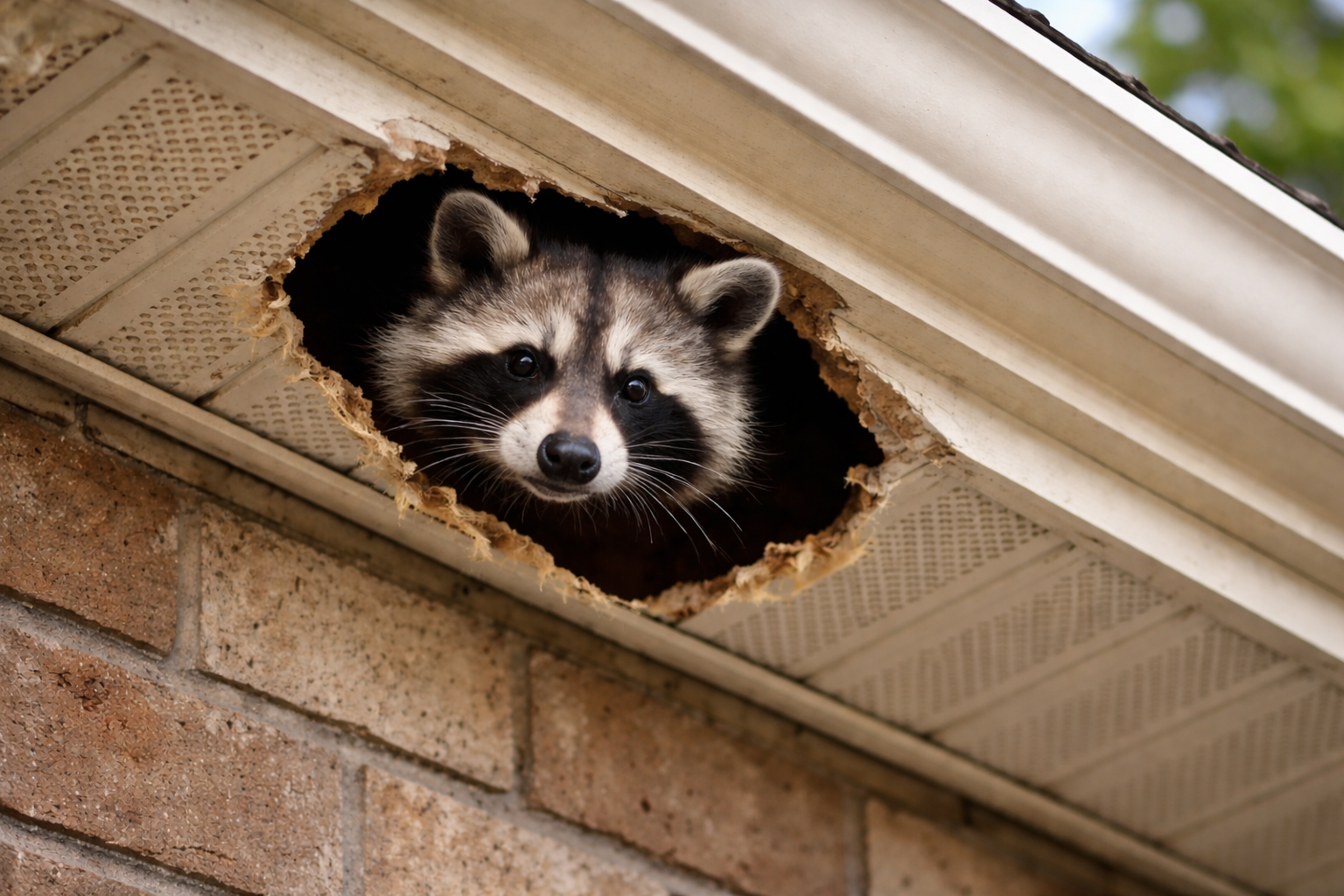
Raccoons in Florida Attics and Rooflines
Raccoons are highly intelligent and extremely destructive nuisance wildlife. They often gain access to attics by damaging vents, soffits, or roof edges. Inside a structure, raccoons tear apart insulation, damage ductwork, and leave behind waste that creates strong odors and sanitation concerns. Due to their size and strength, raccoon infestations can escalate quickly and should never be handled without professional training.
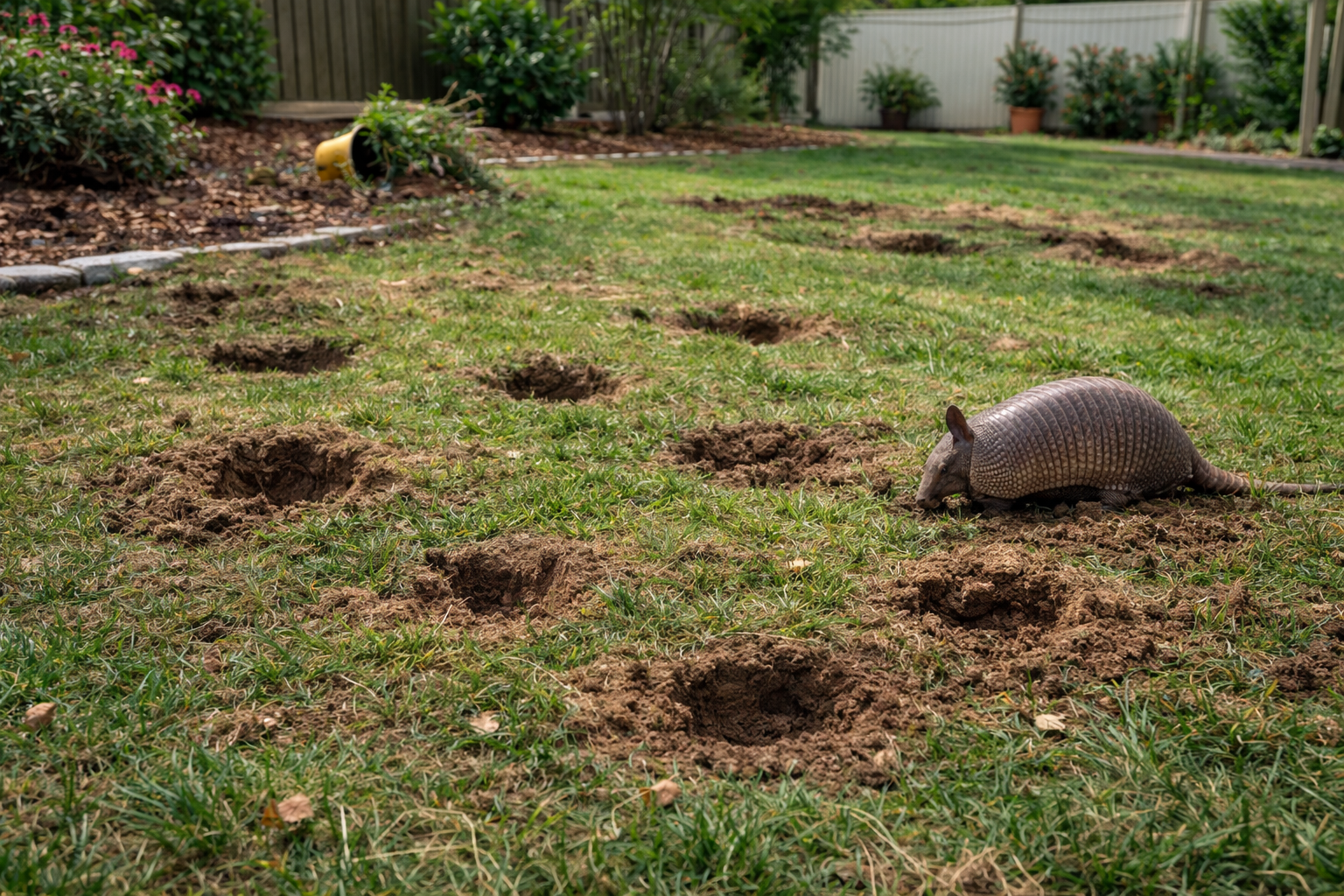
Armadillos and Property Damage
Armadillos are commonly associated with yard damage in Florida. These animals dig extensively while searching for insects, creating holes that damage lawns, landscaping, and areas near foundations. Over time, burrowing activity can weaken soil around structures and lead to additional pest problems. While
armadillos typically remain outdoors, their damage can still pose serious long-term issues for homeowners.
Squirrels and Structural Entry
Squirrels and Flying Squirrels may appear harmless, but they can cause significant damage once they enter a home. These nuisance wildlife often access attics through rooflines or tree overhangs. Inside, squirrels chew on wood, wiring, and insulation while building nests. Their constant gnawing increases the risk of electrical issues and structural deterioration.
Bats in Florida Homes and Attics
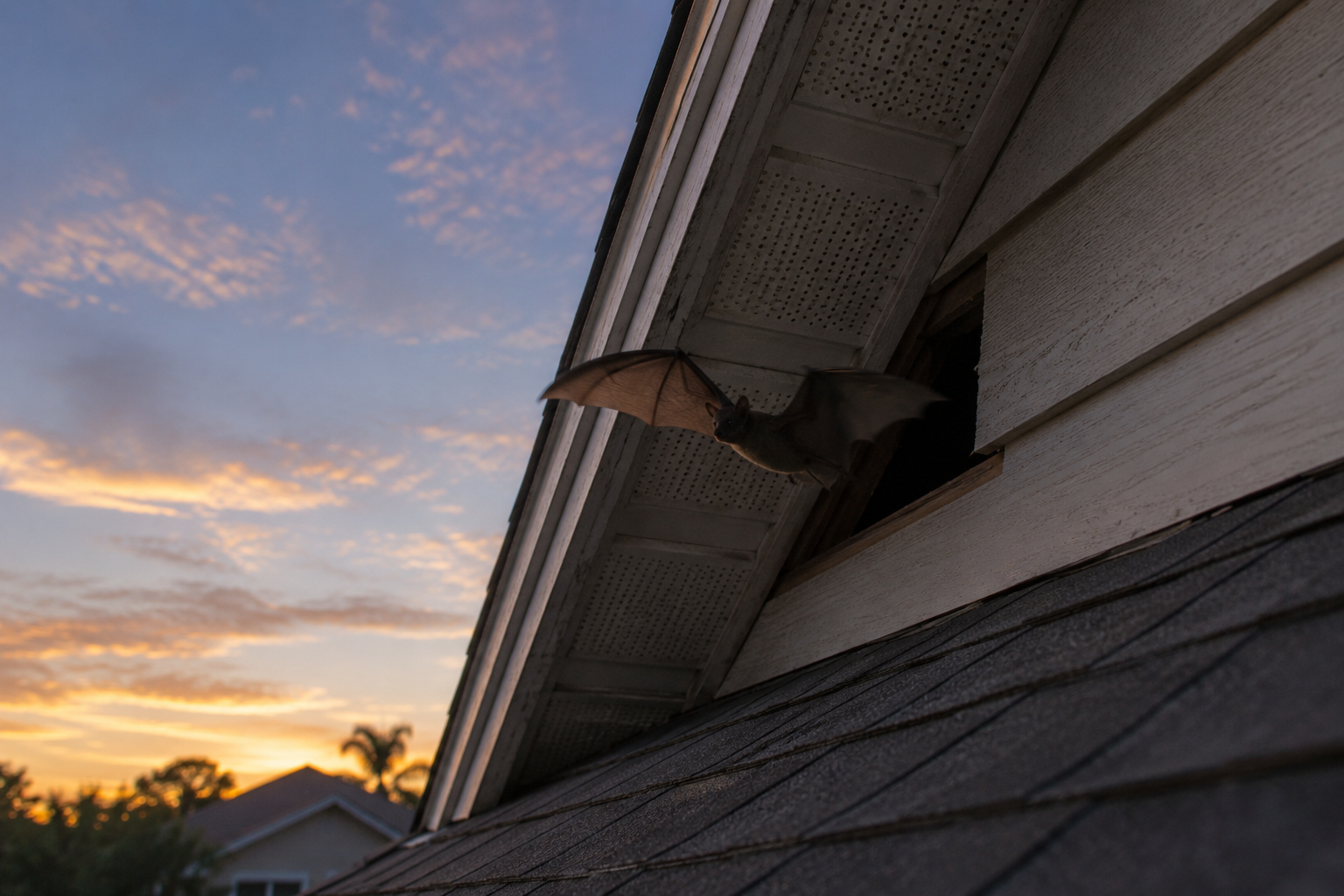
Bats are another nuisance wildlife commonly encountered in Florida, especially in attics and roofline voids. These animals can enter through very small gaps near vents, fascia, or soffits, often without homeowners noticing at first. While bats play an important role in the ecosystem, their presence inside a structure can create serious concerns. Accumulated droppings, known as guano, can damage insulation, produce strong odors, and pose health risks if disturbed. Because bats are protected and require specialized removal methods, infestations should always be handled by trained professionals using proper exclusion techniques.
Opossums and Other Nuisance Wildlife
Opossums and similar nuisance wildlife frequently seek shelter under homes, decks, and in crawl spaces. While generally non-aggressive, they can create sanitation issues and attract secondary pests. Their presence often indicates open access points that should be professionally addressed to prevent recurring problems.
Why Nuisance Wildlife Should Be Addressed Promptly
Nuisance wildlife problems rarely resolve on their own. The longer animals remain on or inside a property, the greater the risk of extensive damage and health concerns. Nuisance wildlife can compromise insulation, wiring, and structural materials, leading to costly repairs.
Prompt professional removal helps prevent infestations from spreading, reduces exposure to bacteria and parasites, and ensures that entry points are properly sealed. Addressing nuisance wildlife early is the most effective way to protect both your home and your family.
How to Prevent Nuisance Wildlife from Invading Your Home
Preventing nuisance wildlife in Florida requires a proactive approach. Sealing potential entry points, trimming vegetation away from structures, and maintaining clean outdoor areas can reduce attraction. Regular inspections are especially important in high-risk areas such as attics, crawl spaces, and rooflines.
Because nuisance wildlife are persistent and adaptable, professional inspections and exclusion services are often the most reliable way to achieve long-term prevention.
Professional Nuisance Wildlife Control in Florida
When nuisance wildlife invade your home or property, professional help makes all the difference. Insect IQ provides solutions for nuisance wildlife removal and prevention throughout Florida. Our team identifies the source of the problem, removes the animals properly, and helps prevent future invasions.
Contact Insect IQ today at 813-930-2847 to schedule an inspection and protect your home from Florida’s most common nuisance wildlife.