
What Are Palmetto Bugs? Florida Home Guide
Learn what palmetto bugs really are, why they enter Florida homes, and how to keep these giant roaches out for good.
What Are Palmetto Bugs? Florida’s Giant Cockroach Explained
What Are Palmetto Bugs Doing Inside Your Florida Home?
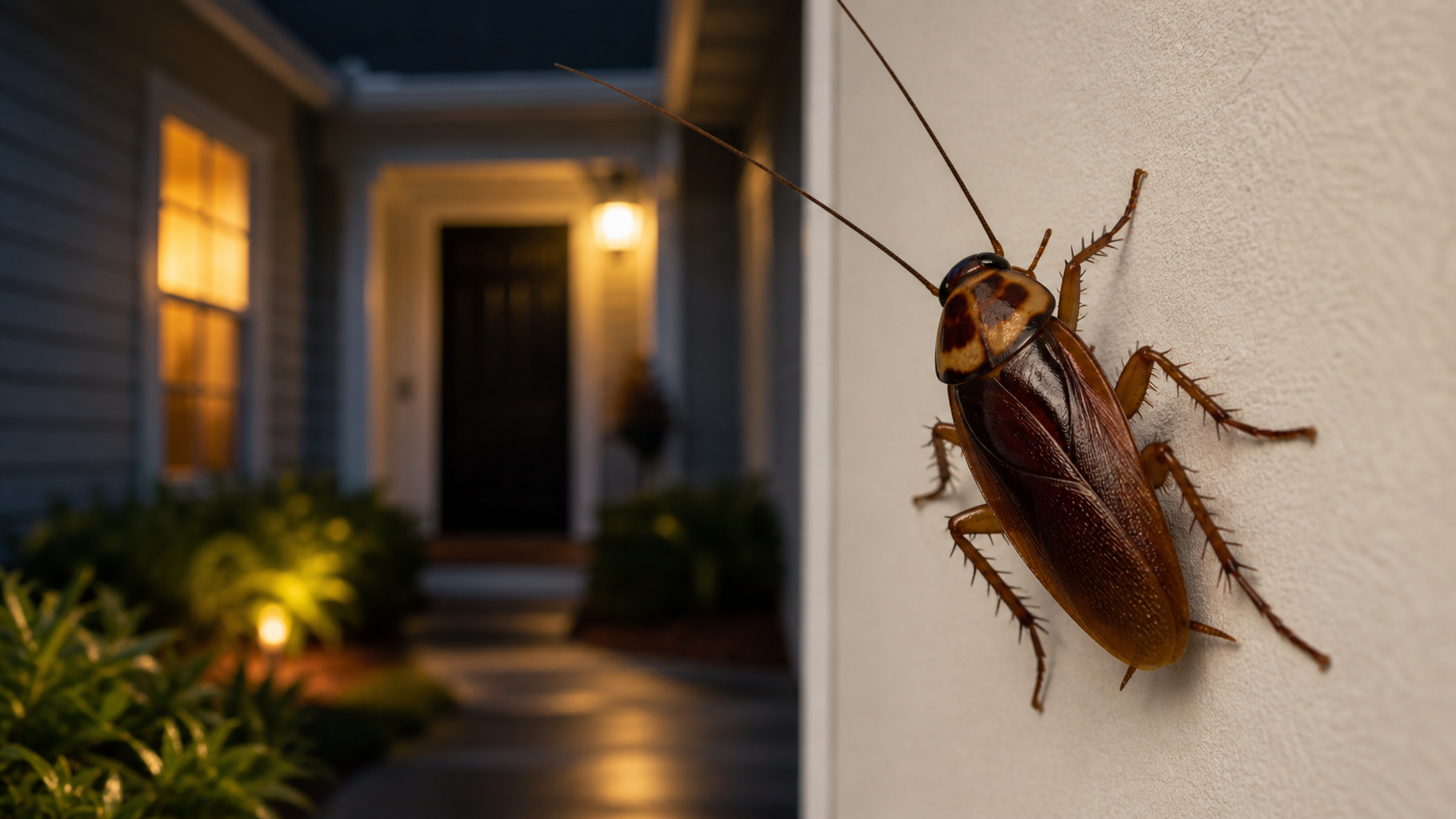
The sudden thump of a heavy insect landing on the wall is a sound every Floridian recognizes with a shudder. In Florida, many homeowners use the more polite term “palmetto bug” to describe these winged intruders. The truth is far less appealing. A palmetto bug is simply a large cockroach that has found its way inside your home.
The problem goes beyond the startling moment when one flies across the room. When palmetto bugs enter your home, they often signal a weakness in your property’s defenses. Gaps around doors, moisture buildup, bright exterior lighting, or hidden entry points can all invite these pests indoors.
Understanding what attracts palmetto bugs is the first step toward keeping them outside where they belong.
The Palmetto Bug Identity Myth: Are They Just Cockroaches?
Many Florida homeowners wonder: What are palmetto bugs exactly?
The term “palmetto bug” is not a scientific name. It is a catch-all nickname commonly used for several large roach species, especially the American cockroach and the Florida woods roach. These pests are very different from German cockroaches, which are small indoor roaches often linked to food contamination and sanitation issues.
Palmetto bugs are:
- Large, often reaching up to two inches long
- Reddish-brown in color
- Equipped with wings that allow them to glide or fly short distances
- Marked with a yellowish figure-eight pattern behind the head
Unlike indoor roaches, palmetto bugs typically live outdoors in mulch, leaf litter, sewer systems, and palm trees. This distinction matters because effective treatment focuses on exterior prevention rather than indoor-only solutions.
Why Palmetto Bugs Come Inside Florida Homes
Palmetto bugs usually do not want to live inside your house. They enter because outdoor conditions push them to search for shelter.
Heavy Rainfall
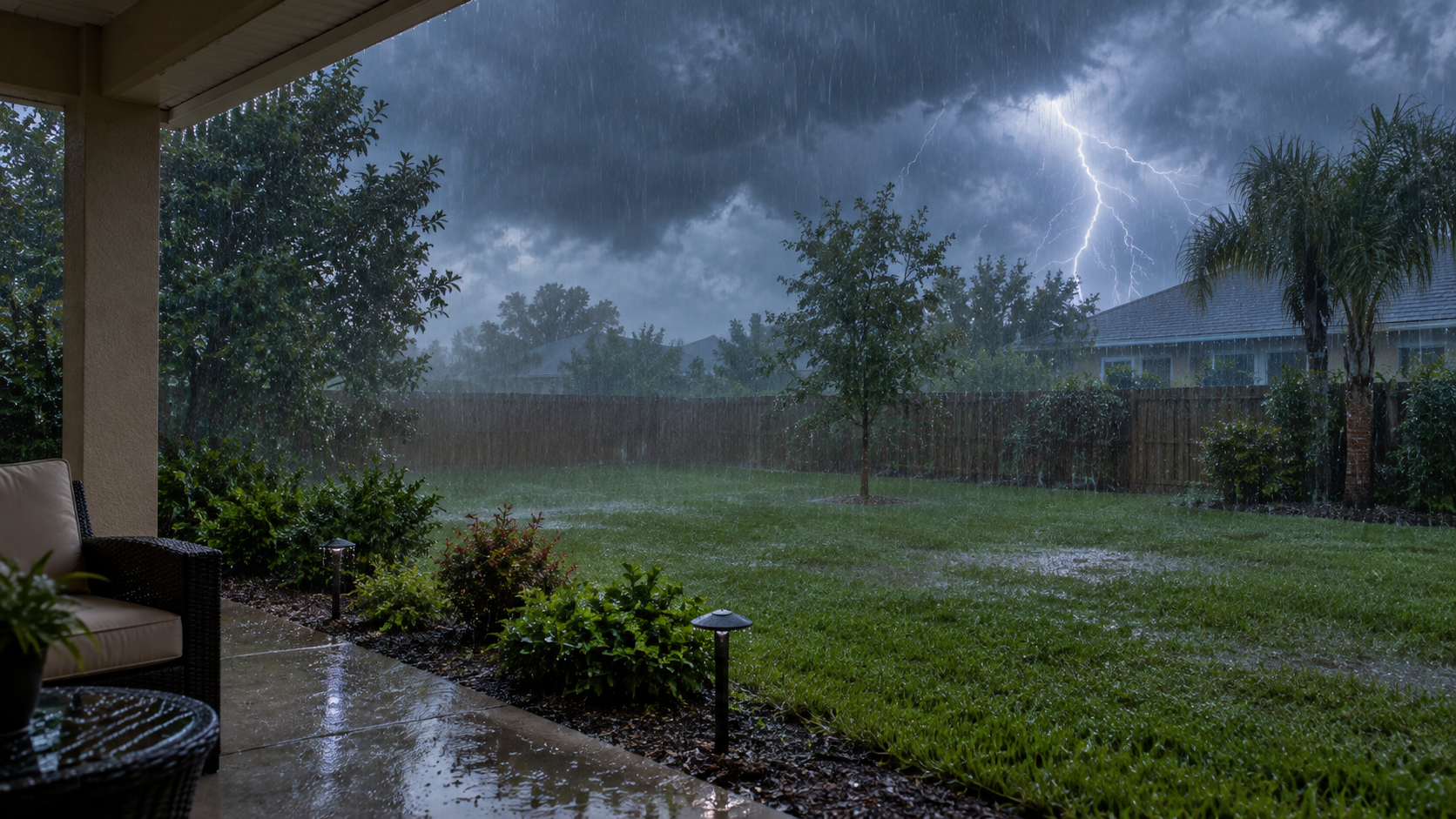
Florida’s sudden downpours can flood their natural hiding places. When mulch beds, landscaping debris, or tree bases become saturated, palmetto bugs seek dry refuge inside nearby homes.
Extreme Heat
During hot summer months, these pests are attracted to cool, humid areas such as crawlspaces, utility rooms, leaky plumbing areas, and air conditioning condensate lines.
Exterior Lighting
Palmetto bugs are strongly drawn to light at night. A bright porch light or illuminated window acts like a beacon, guiding them toward doors, windows, and small structural openings.
How to Prevent Palmetto Bugs From Entering Your Home
Preventing palmetto bugs requires strong home exclusion and moisture control.
Inspect Door Sweeps and Entry Points
Check the rubber seals beneath exterior doors. If you can see daylight underneath a door, a palmetto bug can likely squeeze through.
Seal gaps around:
- Windows
- Utility pipe penetrations
- Garage doors
- Foundation cracks
Reduce Outdoor Moisture
Palmetto bugs thrive in damp environments. Eliminating excess water sources is critical.
Help eliminate moisture by:
- Cleaning gutters regularly
- Fixing drainage issues and outdoor leaks
- Keeping mulch at least 12 inches from the foundation
Trim Landscaping
Palm fronds, shrubs, and tree branches often act as bridges for pests. Trim vegetation so it does not touch rooflines, attic vents, or exterior walls to remove access points.
Adjust Exterior Lighting
Switching to warm or yellow-toned exterior bulbs can reduce attraction compared to bright white lights, drawing fewer bugs to your entryways at night.
Professional Palmetto Bug Control in Florida
Even with careful prevention, Florida’s climate makes occasional palmetto bug encounters common. Professional perimeter pest control creates a protective barrier around your home that stops these giant roaches before they ever make it inside.
Targeted treatments focus on: exterior entry points, moisture-prone zones, landscaping harborage areas, and foundation protection. This proactive approach offers far better long-term results than reacting after you spot one indoors.
Keep Palmetto Bugs Out With Insect IQ
Do not wait for the next unexpected “flight” across your living room. A professional perimeter treatment helps secure your home against palmetto bugs and other Florida pests before they become a problem.
Contact Insect IQ Today