
Flying Squirrels in Florida Homes: The Hidden Attic Invaders
Flying squirrels can invade Florida attics unnoticed. Learn the risks, signs, and why professional removal matters.
Flying Squirrels in Florida: A Hidden Wildlife Problem
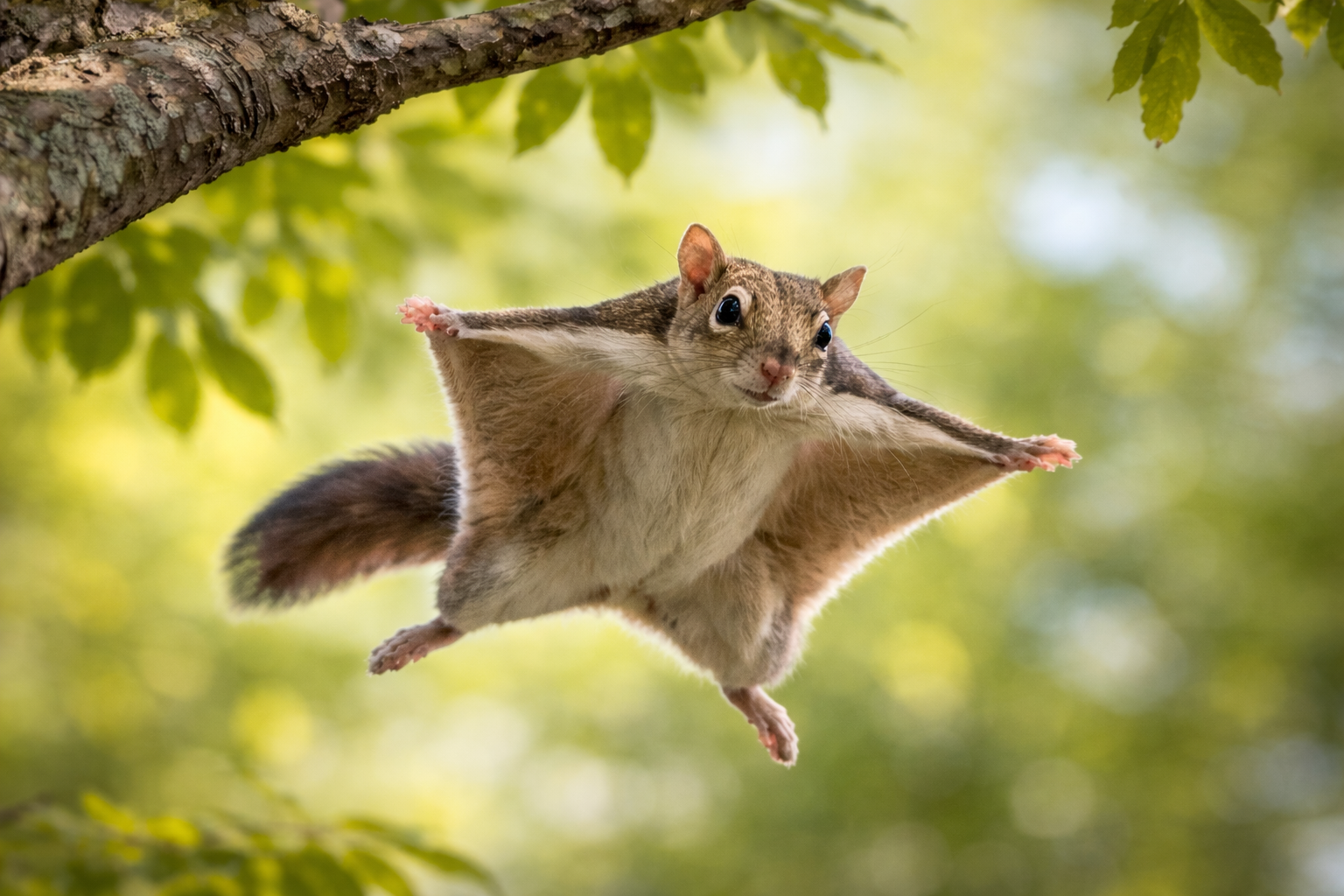
Flying squirrels are one of the most overlooked Nuisance Wildlife issues in Florida. Because of their small size and quiet movement, these animals often go undetected for long periods of time. By the time homeowners realize there is a problem, flying squirrels may already be nesting in attics or wall voids.
Understanding how flying squirrels behave and the risks they pose can help homeowners take action before serious damage occurs.
Why Flying Squirrels Enter Florida Homes
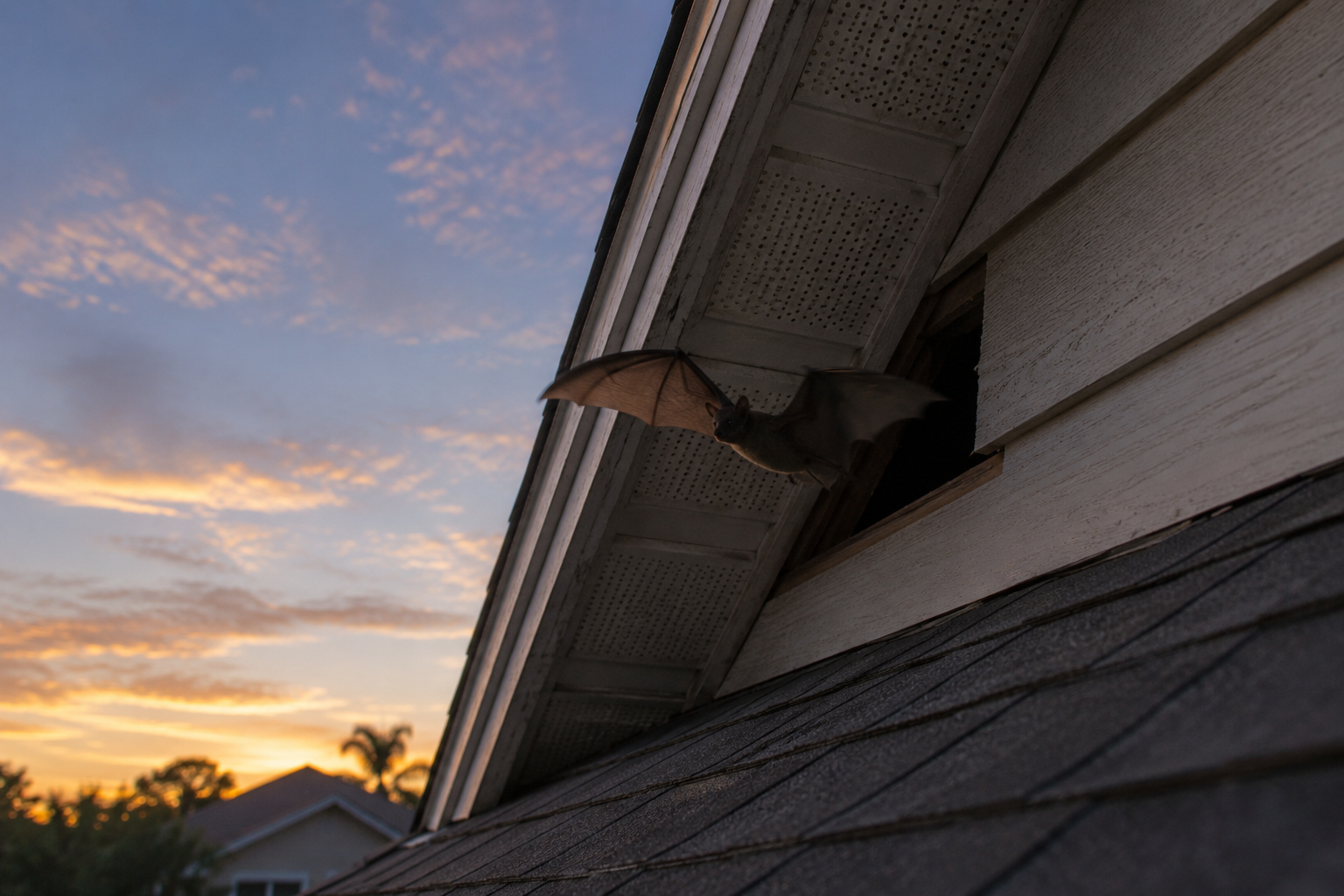
Flying squirrels are excellent climbers and can glide long distances between trees and structures. Homes with overhanging branches, roof gaps, or attic vents provide easy access points.
Florida’s mild climate allows flying squirrels to remain active year-round. Once inside, attics offer warmth, protection, and nesting materials, making them ideal long-term shelter.
Signs of Flying Squirrels in the Attic
Flying squirrels are nocturnal, so activity is most noticeable at night. Their presence is often mistaken for rodents. Because they move quietly, infestations often last longer before being discovered. Look for these common signs:
- Light scratching or fluttering sounds after dark
- Small droppings in attics or along entry points
- Nesting material made from insulation or stored items
- Grease marks or small openings near rooflines
The Risks of Infestation
Flying squirrels pose both property and health risks. Inside attics, they chew on insulation, wood, and wiring, increasing the risk of structural damage and electrical issues. Their droppings and nesting materials can contaminate attic spaces and create sanitation concerns. Over time, this contamination may affect indoor air quality. Because flying squirrels can live in groups, damage and contamination can increase rapidly if left unaddressed.
Flying Squirrels vs. Regular Squirrels: What’s the Difference?
Flying squirrels are often mistaken for regular squirrels, but their behavior and risks inside a home are very different. Correct identification is important because flying squirrel infestations typically require a different removal approach.
Flying Squirrels
Appearance: Smaller with a loose membrane of skin for gliding.
Behavior: Strictly nocturnal (active at night). Often live in groups, leading to heavier contamination.
Entry: Can enter through extremely small openings; infestations often go unnoticed longer.
Regular Squirrels
Appearance: Larger (Gray or Fox squirrels).
Behavior: Active during the daytime. More likely to be seen running on power lines or trees.
Entry: typically nest alone or in smaller numbers and are easier to visually identify.
Note: Both types of squirrels can chew wiring, damage insulation, and contaminate attic spaces. However, flying squirrels tend to remain hidden longer, allowing damage and health risks to escalate before homeowners realize there is a problem. This is why professional inspection and species-specific removal methods are critical.
Flying Squirrel Control in Florida
If you suspect flying squirrels in your attic, professional help is essential. Insect IQ provides expert nuisance wildlife control services throughout Florida. Our team identifies entry points, removes flying squirrels, and implements exclusion strategies to protect your home long-term. Call us at 813-930-2847 to schedule today.
Schedule An Inspection