
Summer Pest Control in Florida: Heat-Driven Surges
Florida summer heat drives pests indoors. Learn why recurring pest control keeps your home protected all season.
Summer Pest Control in Florida: Managing Heat-Driven Pest Surges
The Problem With Summer Pest Activity in Florida
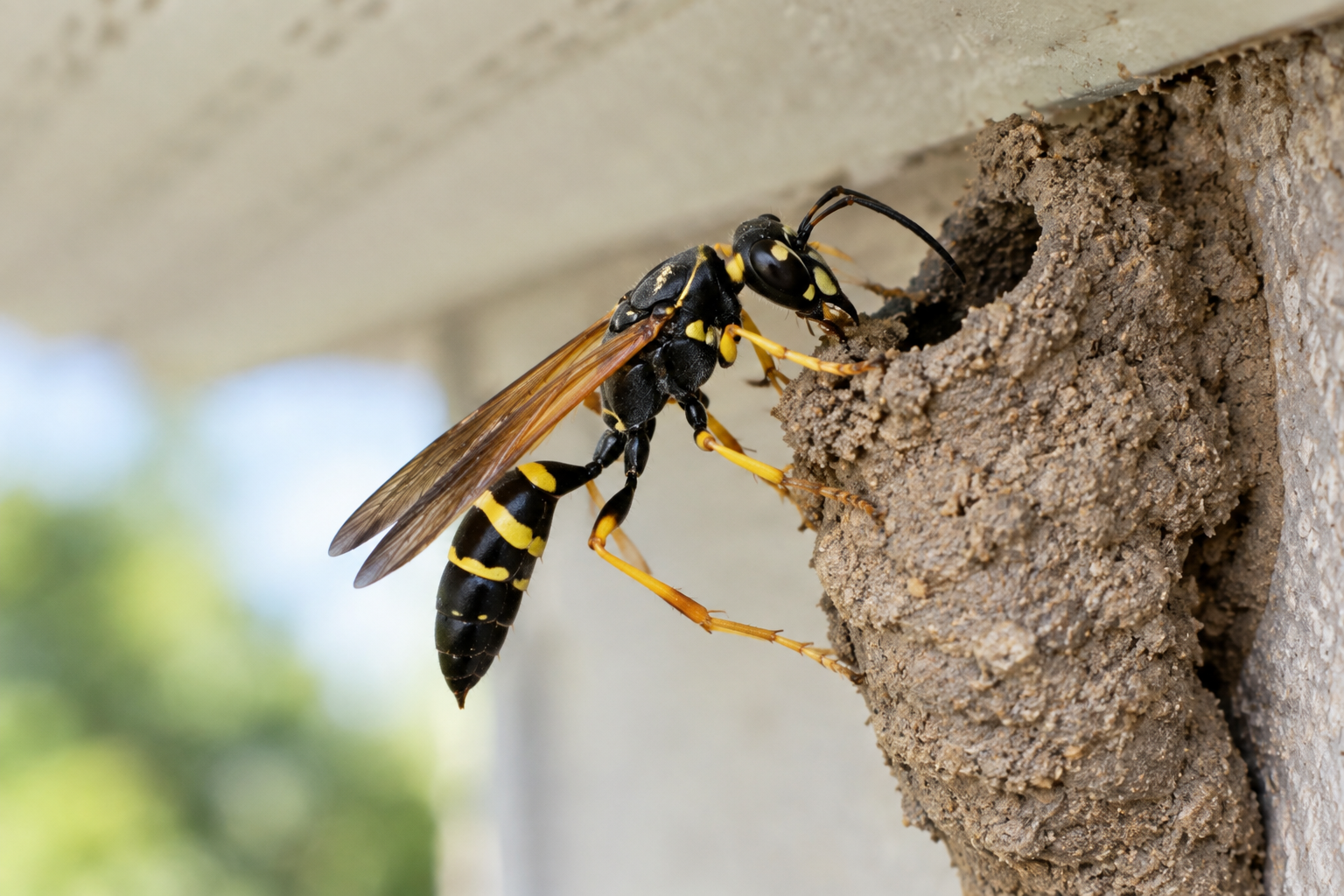
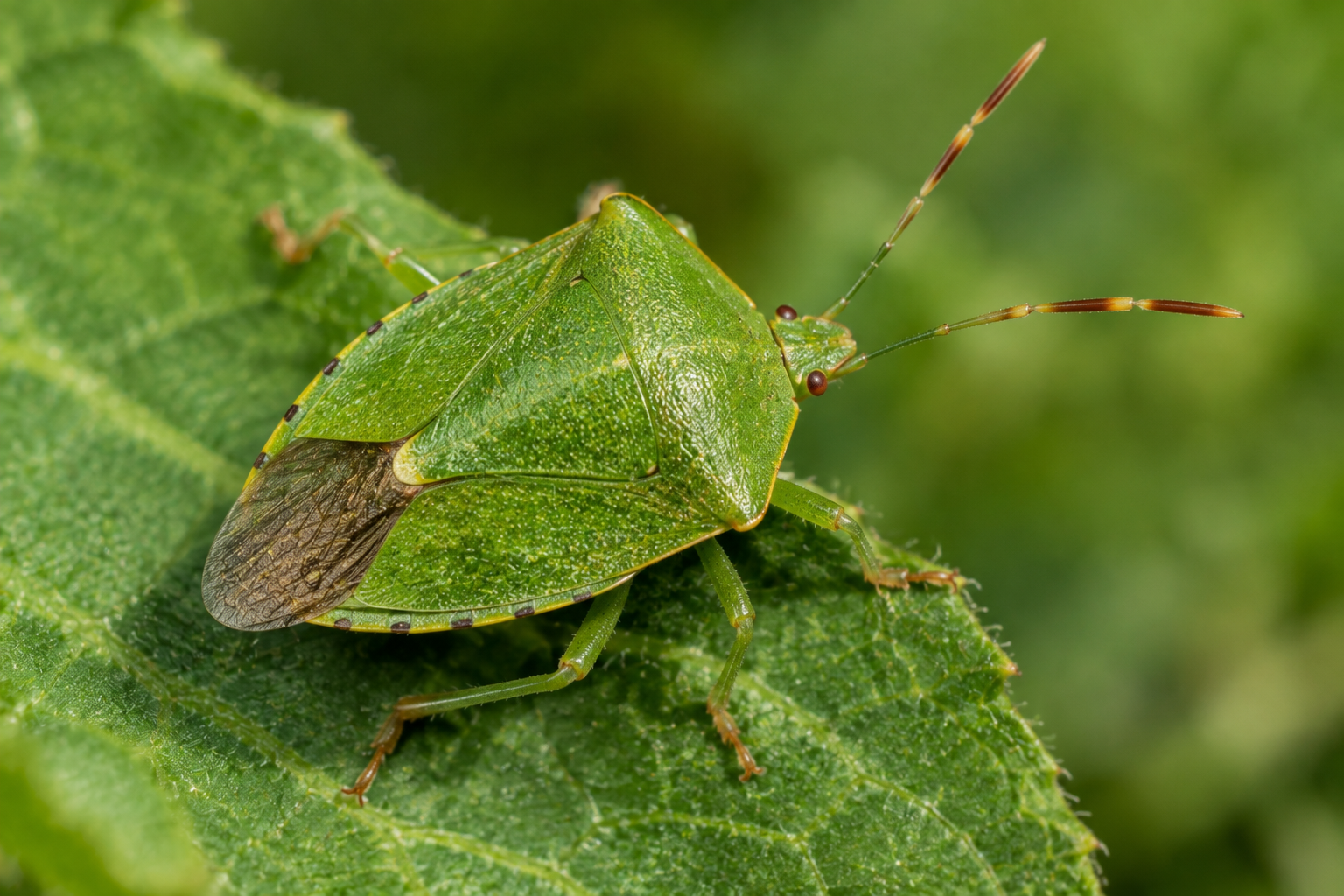
Summer in Florida brings more than heat and humidity; it brings a surge in pest activity. As temperatures rise, insects and rodents become more active, reproduce faster, and search for cooler, more reliable shelter. Unfortunately, that shelter is often your home.
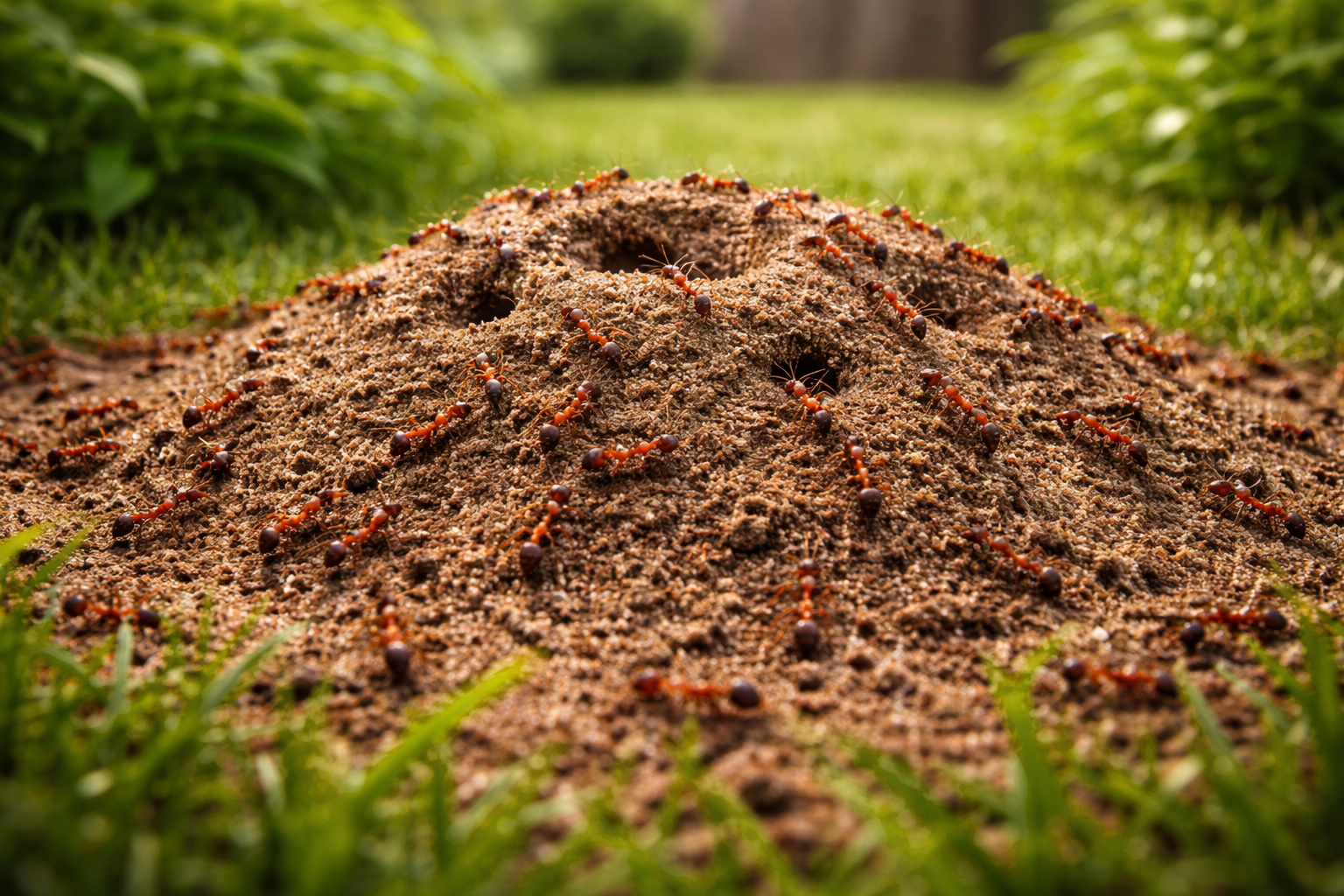
This is the time of year when many homeowners notice sudden pest problems. Ant trails appear in kitchens, roaches become more active at night, and insects start showing up where they weren’t before. In most cases, these issues don’t start in summer; they build up over time when pest control protection fades or when gaps appear.
Why Summer Heat Causes Pest Surges
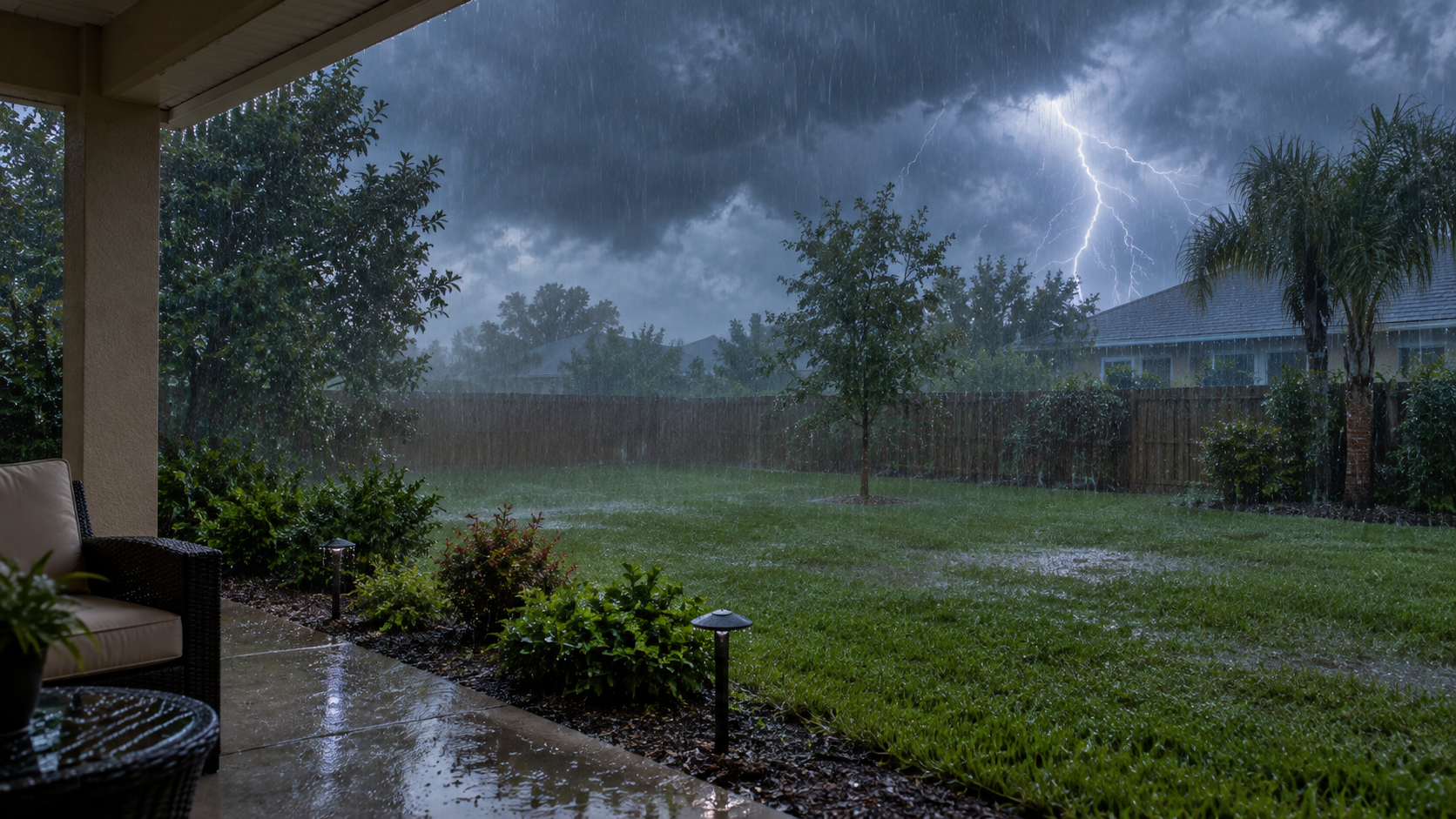
Heat plays a major role in pest behavior. Warmer temperatures speed up pest life cycles, allowing populations to grow quickly. High humidity and frequent summer rain also create ideal conditions for insects to thrive outdoors.
As outdoor conditions become more intense, pests look for food, water, and stable shelter. Cracks, gaps, and entry points around homes become easy access routes. Without consistent pest control, even small openings can lead to noticeable indoor activity.
Summer doesn’t just increase pest numbers; it increases pressure on your home.
Common Summer Pests That Invade Homes
Several pests become especially active during Florida summers. Homeowners often deal with:
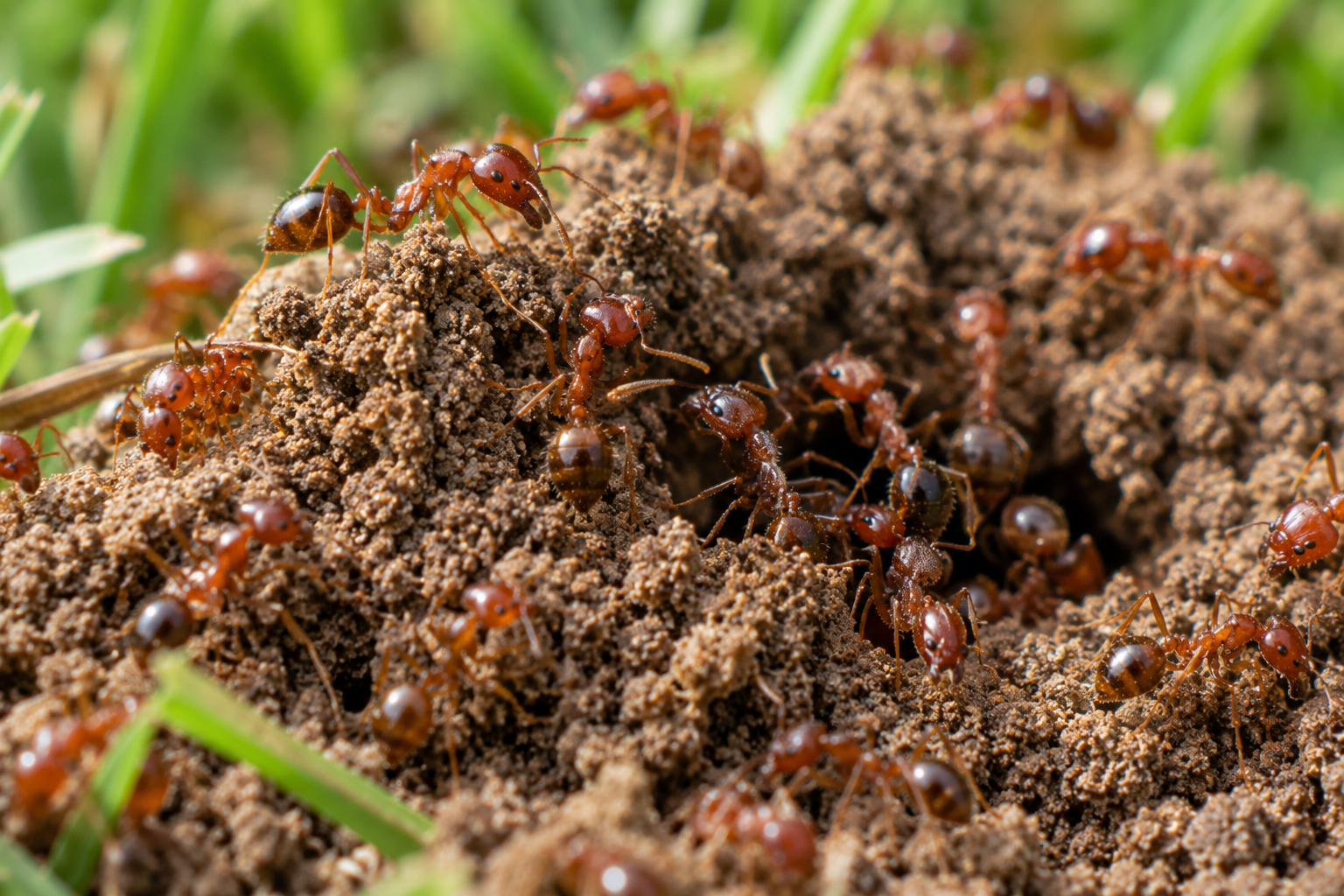
- Ants moving indoors in search of food
- Roaches seeking cooler, shaded areas
- Mosquitoes breeding rapidly in warm, damp conditions
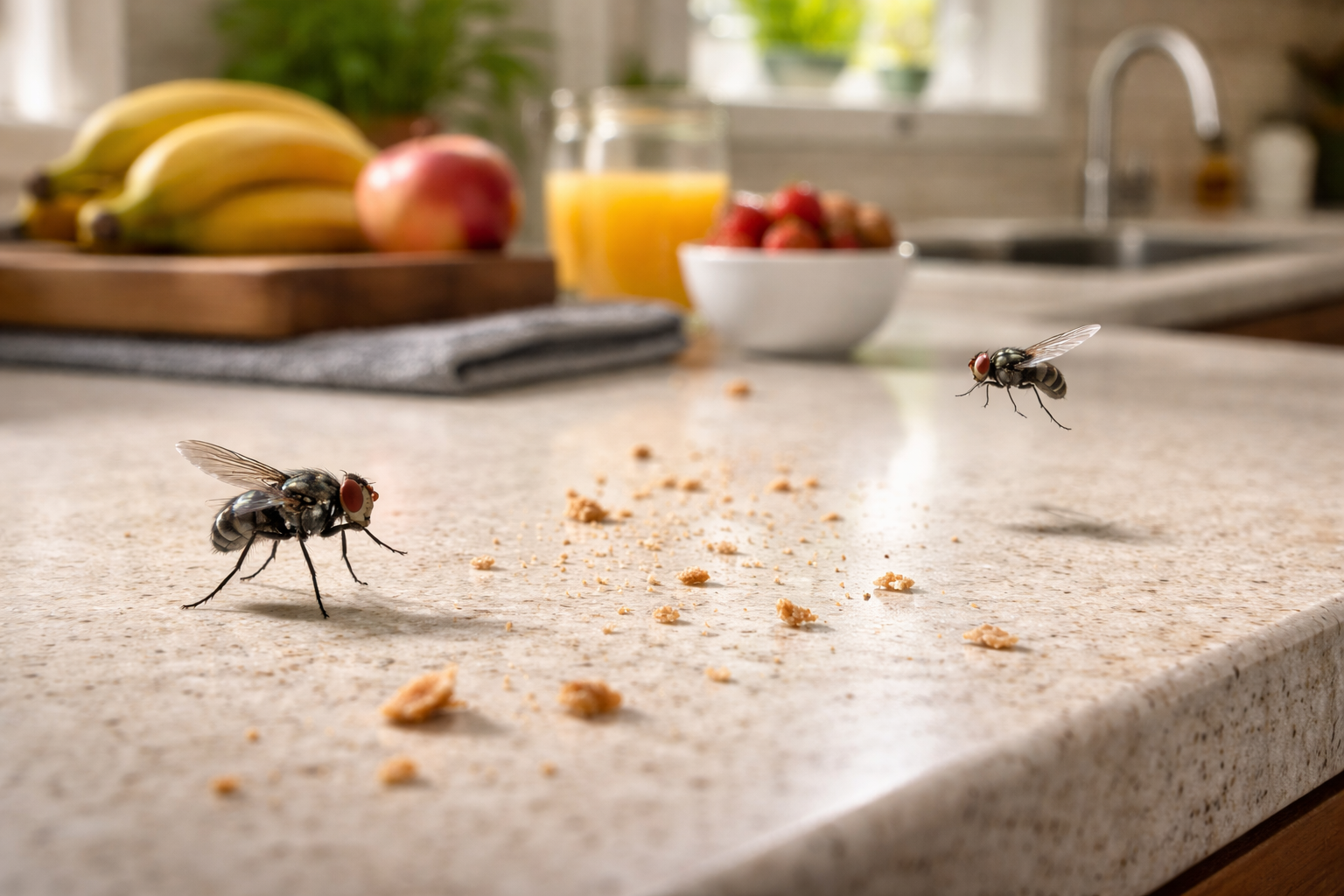
- Flies becoming more active around entry points
- Rodents looking for consistent food sources
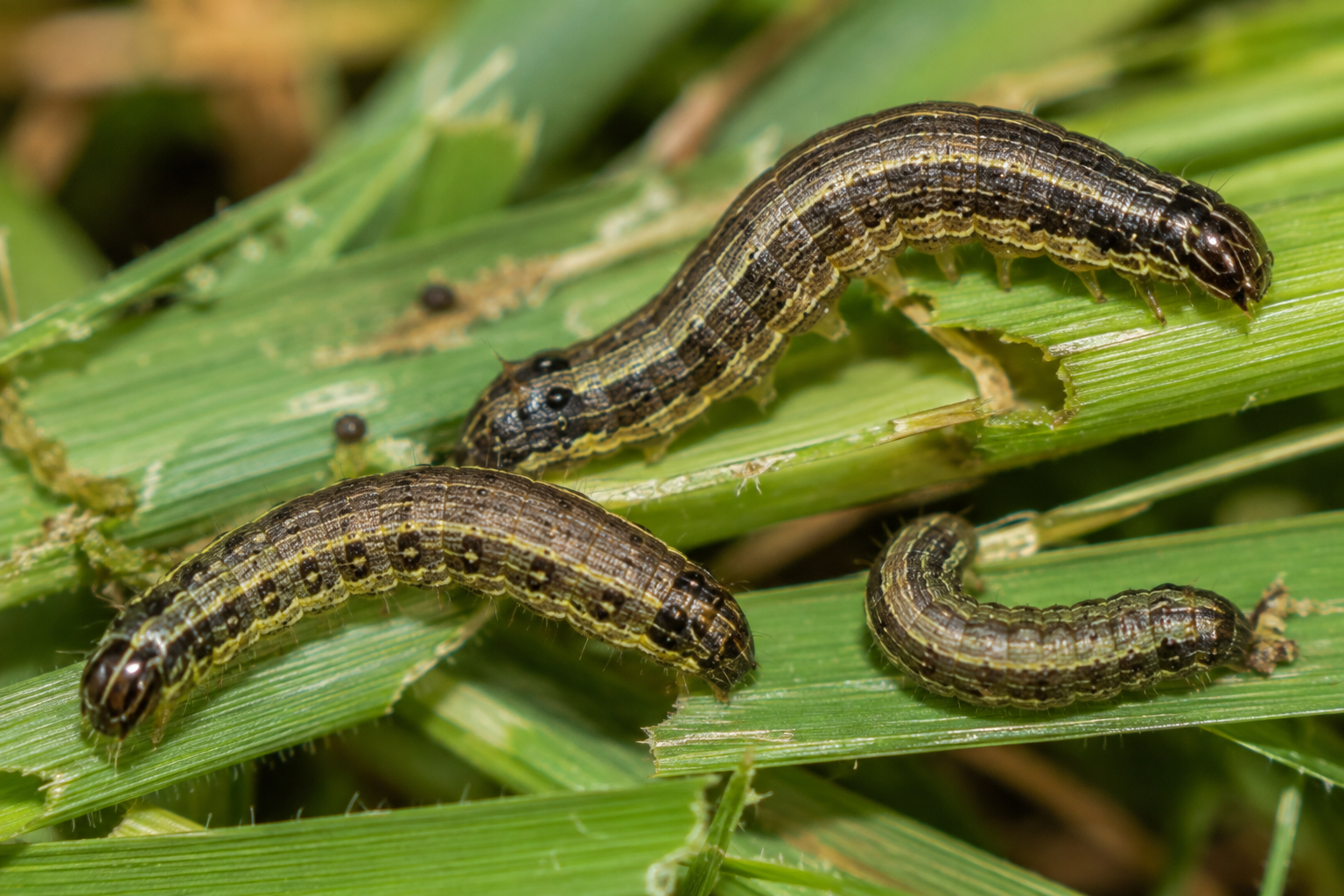
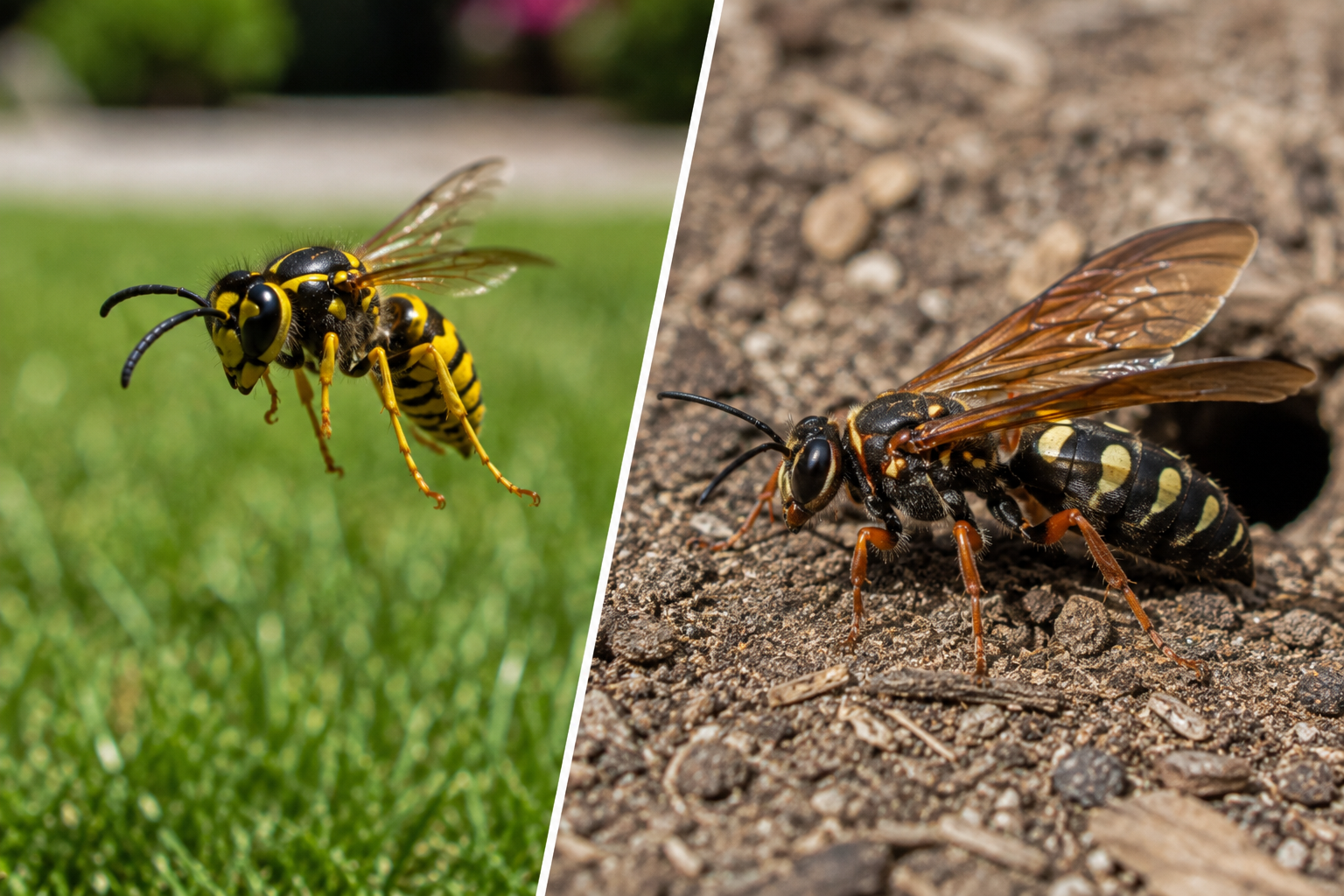
These pests don’t need much space to enter a home. Once inside, they can be difficult to control without a long-term approach.
Why One-Time Treatments Fail During Summer
One-time pest treatments may seem helpful at first, but they often fall short during the summer. Heat, rain, and constant pest pressure can reduce how long treatments remain effective.
Without follow-up service, pests can quickly return. New insects move in, populations rebound, and homeowners find themselves dealing with the same problems again. Summer pest control requires consistency, not just a single response after activity is already visible.
Recurring pest management helps maintain protection even as conditions change.
How Recurring Pest Management Controls Summer Pest Pressure
Recurring pest management is designed to keep your home protected through the most active pest season of the year. Instead of reacting to infestations, ongoing service focuses on prevention and maintenance.
With recurring pest control, treatments are adjusted to account for summer conditions. Exterior barriers are reinforced, problem areas are monitored, and pest activity is addressed before it spreads indoors. This approach helps reduce pest pressure over time and keeps your home more comfortable throughout the summer months.
Consistent service means fewer surprises and less stress for homeowners.
Stay Protected During Florida’s Peak Pest Season
Summer is not the time to let pest control lapse. Once infestations take hold, they can be more difficult and expensive to eliminate.
At Insect IQ, we provide recurring pest management designed to protect Florida homes through peak pest season. Our proactive approach helps keep pests out—so you can focus on enjoying your home, not dealing with unwanted invaders.
Don’t wait for pests to take over this summer.
Contact
Insect IQ at
813-930-2847 today to continue or start recurring pest management and keep your home protected all season long.