
Fall Pest Control in Florida: Stop Pests From Settling In
Fall pest control prevents pests from settling indoors. Learn why this season matters for long-term protection.

Fall Pest Control in Florida: Stopping Pests From Settling In
Fall Is When Pests Decide Where to Live
Fall pest problems aren’t about sudden activity; they’re about pests choosing where they will stay long-term. When fall conditions occur, insects and rodents shift their focus from feeding and breeding to finding stable shelter.
In Florida, this transition often happens quietly. Homeowners may not notice immediate changes, which can create a false sense of security. In reality, fall is when pests move closer to structures, test entry points, and establish hidden nesting areas.
Once pests settle in during the fall, they rarely leave on their own.
Why Fall Pest Behavior Is Different From Other Seasons
Each season brings different pest challenges. Fall stands out because pests are no longer scattered across yards or landscapes. Instead, activity becomes more concentrated around structures.
During fall, pests focus on:
- Foundations and exterior walls
- Attics, wall voids, and crawl spaces
- Garages and storage areas
- Utility lines, vents, and small openings
This shift makes fall infestations harder to detect. Pests can become established without obvious indoor activity, allowing problems to grow unnoticed.
Pests That Commonly Settle Indoors During Fall
Several pests use fall as their opportunity to relocate into homes, including:
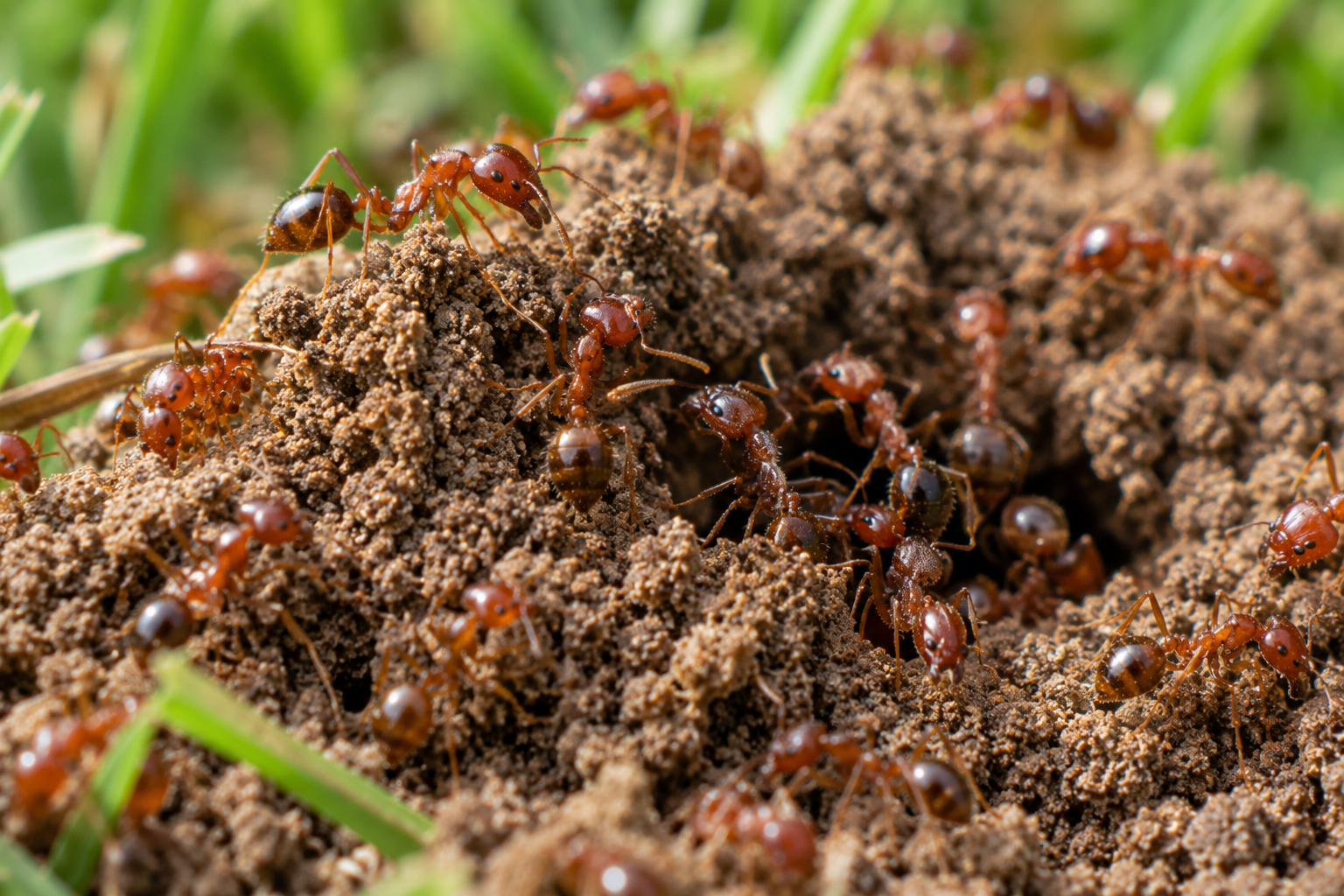
- Ants forming satellite colonies indoors
- Roaches establishing protected harborage areas
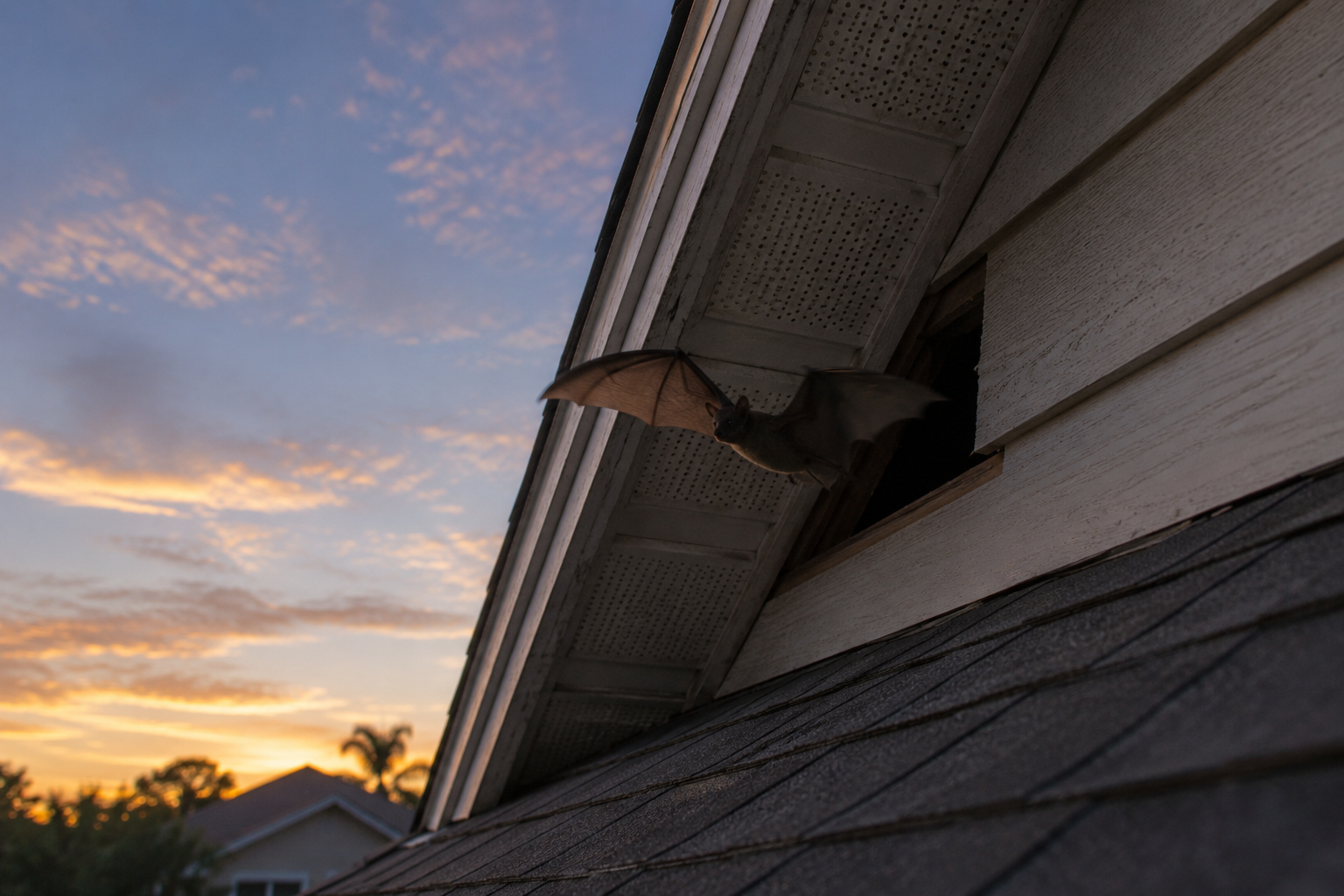
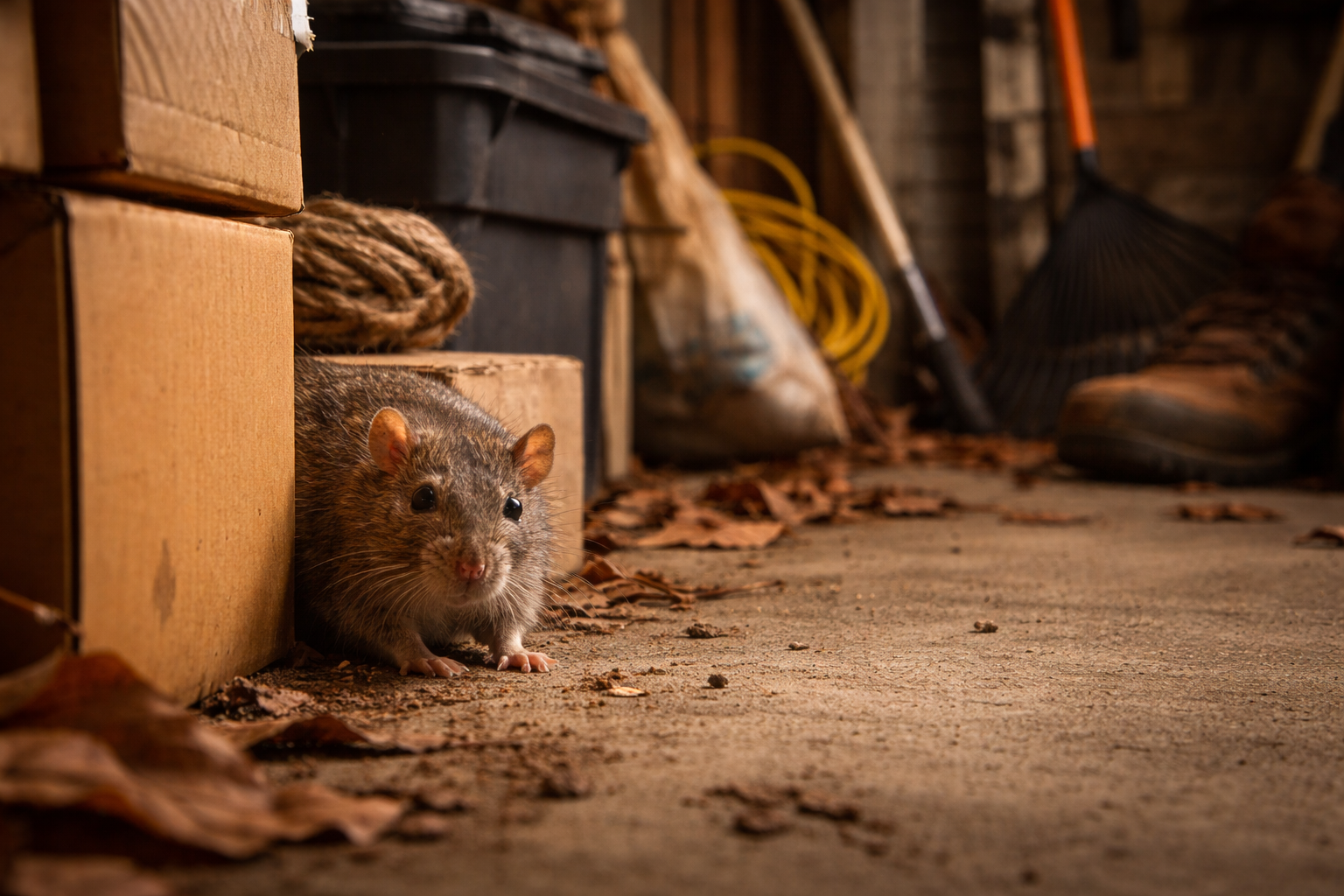
- Rodents nesting in attics, walls, and garages
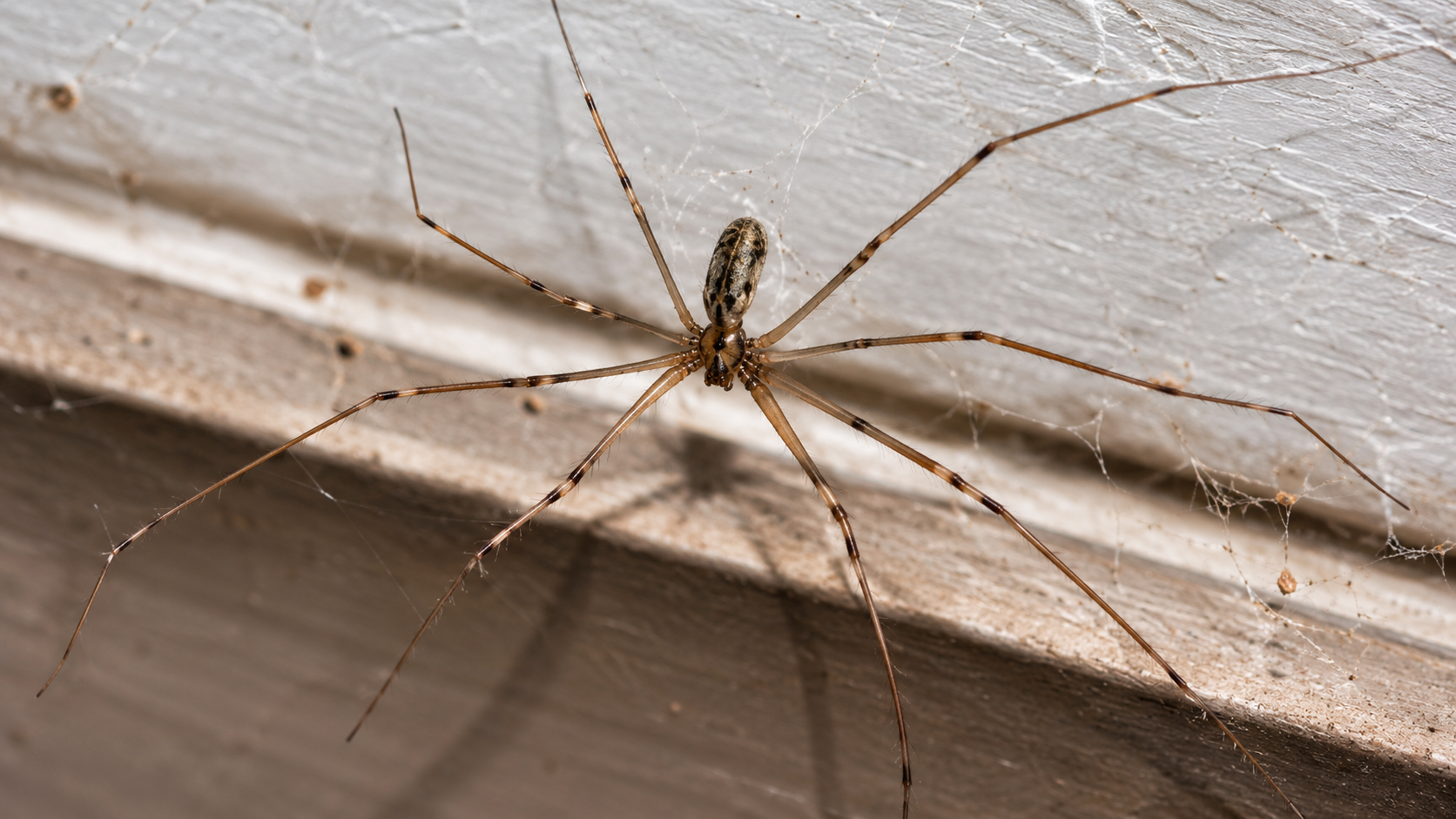
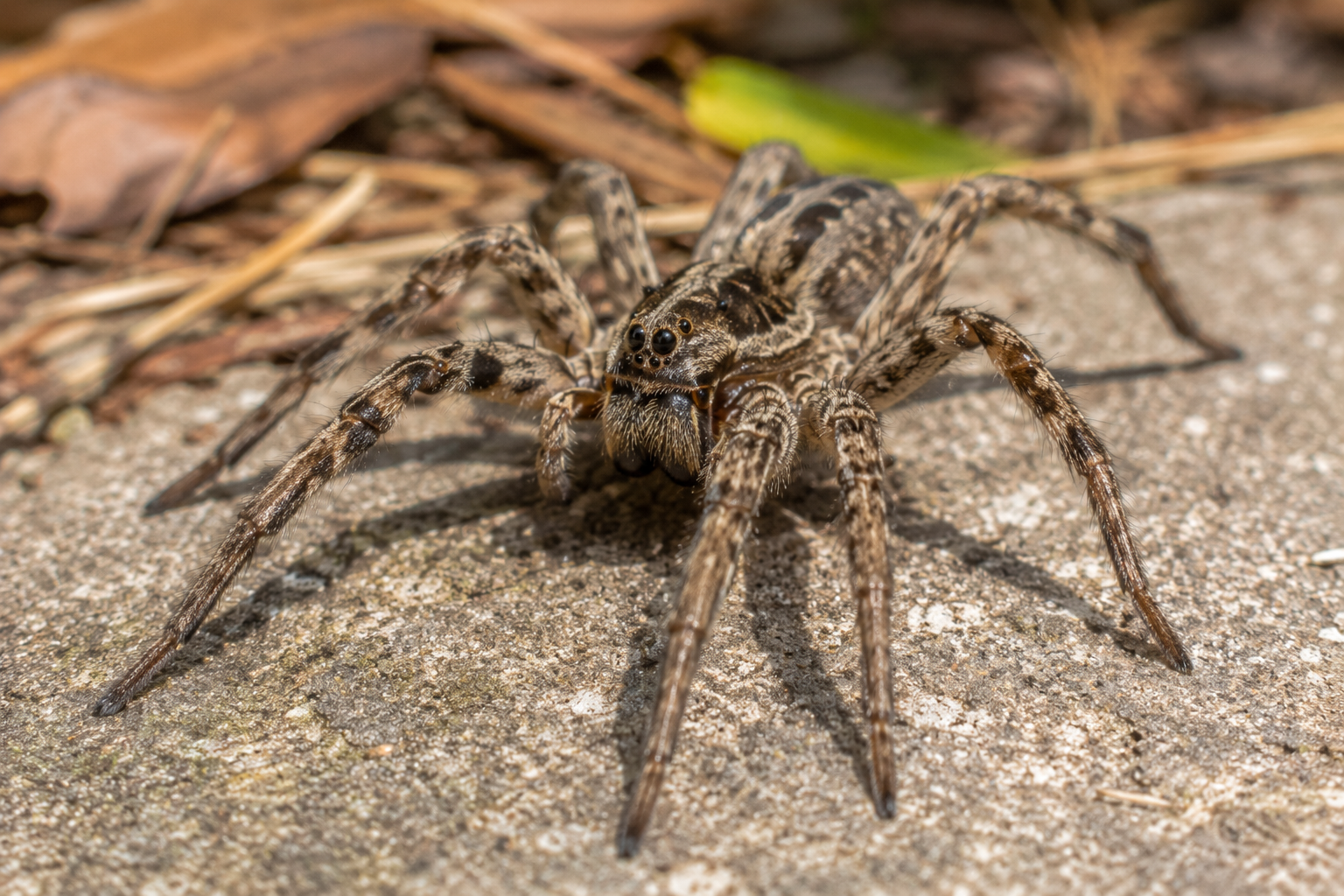
- Spiders positioning near entry points for access to prey
Because these pests settle rather than pass through, fall infestations often continue into winter and reappear when pest activity increases again.
Why Missing Fall Pest Control Leads to Ongoing Problems
When fall pest control is missed, pests are given the opportunity to settle in undisturbed. This can result in:
- Persistent indoor pest activity later on
- Infestations that last for months
- Increased difficulty in controlling pests when activity rises again
Many winter and spring pest problems can be traced back to pests that entered and established themselves during the fall. Preventing access during this season is far more effective than addressing infestations after they are already established.
How Recurring Pest Management Prevents Fall Infestations
Recurring pest management is designed to protect homes through seasonal transitions. During fall, the focus shifts toward preventing pests from gaining access and establishing nesting areas.
Ongoing service helps reinforce exterior protection, monitor high-risk areas, and reduce the likelihood of pests settling indoors. By maintaining consistent coverage, homes are better protected throughout winter and into the next active season.
Fall prevention supports long-term pest control success.
Protect Your Home From Long-Term Pest Issues
Fall is a critical season for preventing pests from settling indoors. Homes that remain protected during this transition are far less likely to experience ongoing infestations later.
At Insect IQ, our recurring pest management is designed to protect Florida homes year-round by addressing pest behavior as it changes throughout the seasons.
If fall prevention is missed, pest problems tend to last longer.
Contact Insect IQ at
813-930-2847 to maintain consistent pest control and keep pests out of your home.