
Roaming Honey Bees: A Growing Issue in Florida Homes
Florida’s warm climate causes early honey bee roaming. Learn why bees target homes and when to call Insect IQ for removal.
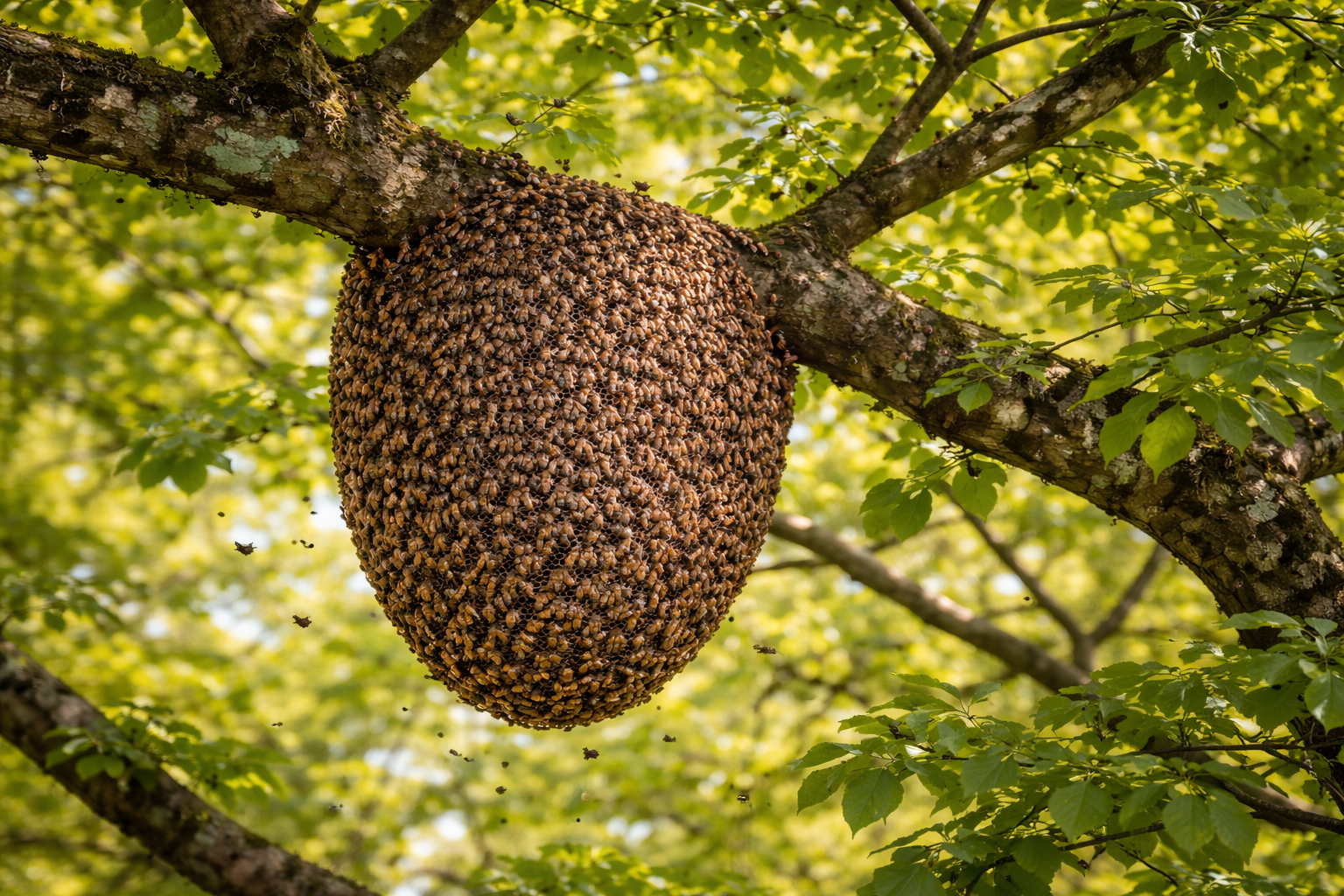
Roaming Honey Bees in Florida: Why They Show Up Early
In Florida, honey bee activity doesn’t follow the same seasonal rules as colder states. Thanks to our warm climate, roaming honey bees can appear much earlier in the year—and sometimes year-round.
When swarms begin scouting homes, sheds, and rooflines, it can quickly turn from a curiosity into a serious issue. Florida’s conditions make homes especially attractive to bees looking to settle in.
Why Florida’s Climate Causes Early Roaming
Florida’s mild winters and early warm spells keep honey bees active instead of dormant. Unlike northern regions, bees here often continue foraging throughout winter, which leads to:
- Earlier colony growth
- Faster population expansion
- Increased overcrowding inside existing hives
When colonies run out of space, bees begin roaming sooner in search of a new nesting location.
Year-Round Food Sources Fuel Bee Activity
Florida provides an almost continuous supply of nectar and pollen. Native plants, ornamental landscaping, citrus trees, and flowering shrubs often bloom earlier and longer than in other states.
With food readily available, colonies don’t slow down. Strong food sources allow bee populations to grow quickly, increasing the likelihood of early-season roaming and swarming behavior around homes.
How Florida Homes Become Ideal Hive Locations
Florida homes unintentionally offer everything honey bees look for. Bees are especially drawn to structures that stay warm and undisturbed.
Wall Voids
Warm, insulated spaces that provide excellent protection for a growing hive.
Attics
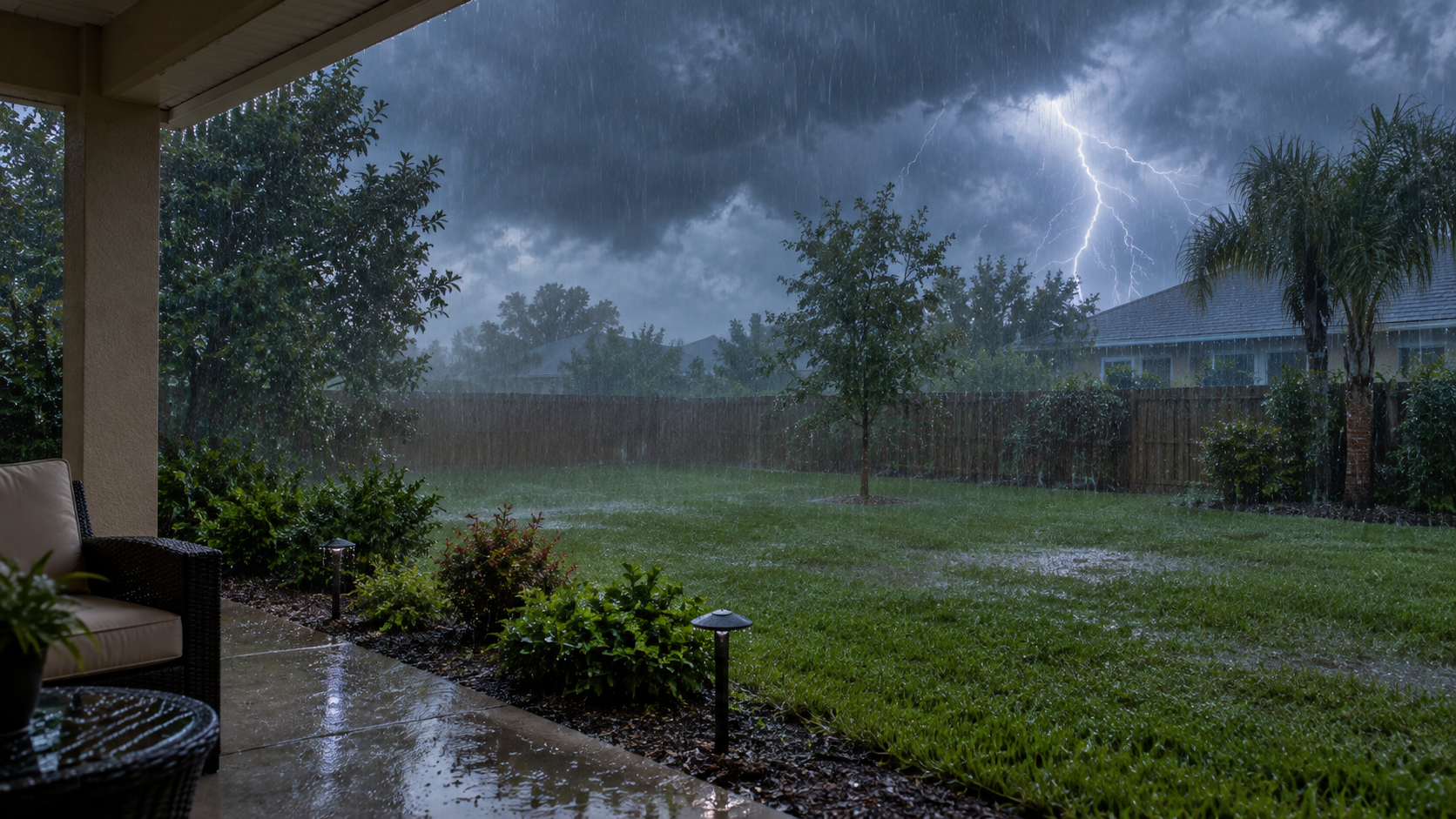
Spaces protected from rain and wind, perfect for long-term nesting.
Soffits & Rooflines
High, dry entry points that are often difficult for homeowners to inspect regularly.
Once they find an opening, hive construction can begin quickly, making removal more difficult the longer it goes unnoticed.
Why Roaming Honey Bees Are a Bigger Problem
In Florida’s heat, hives can grow rapidly. This increases the risks of:
Structural Issues
- Stings around living areas
- Structural damage from heavy wax/honey
Secondary Issues
- Honey leakage staining walls/ceilings
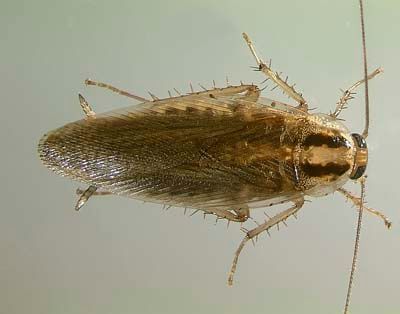
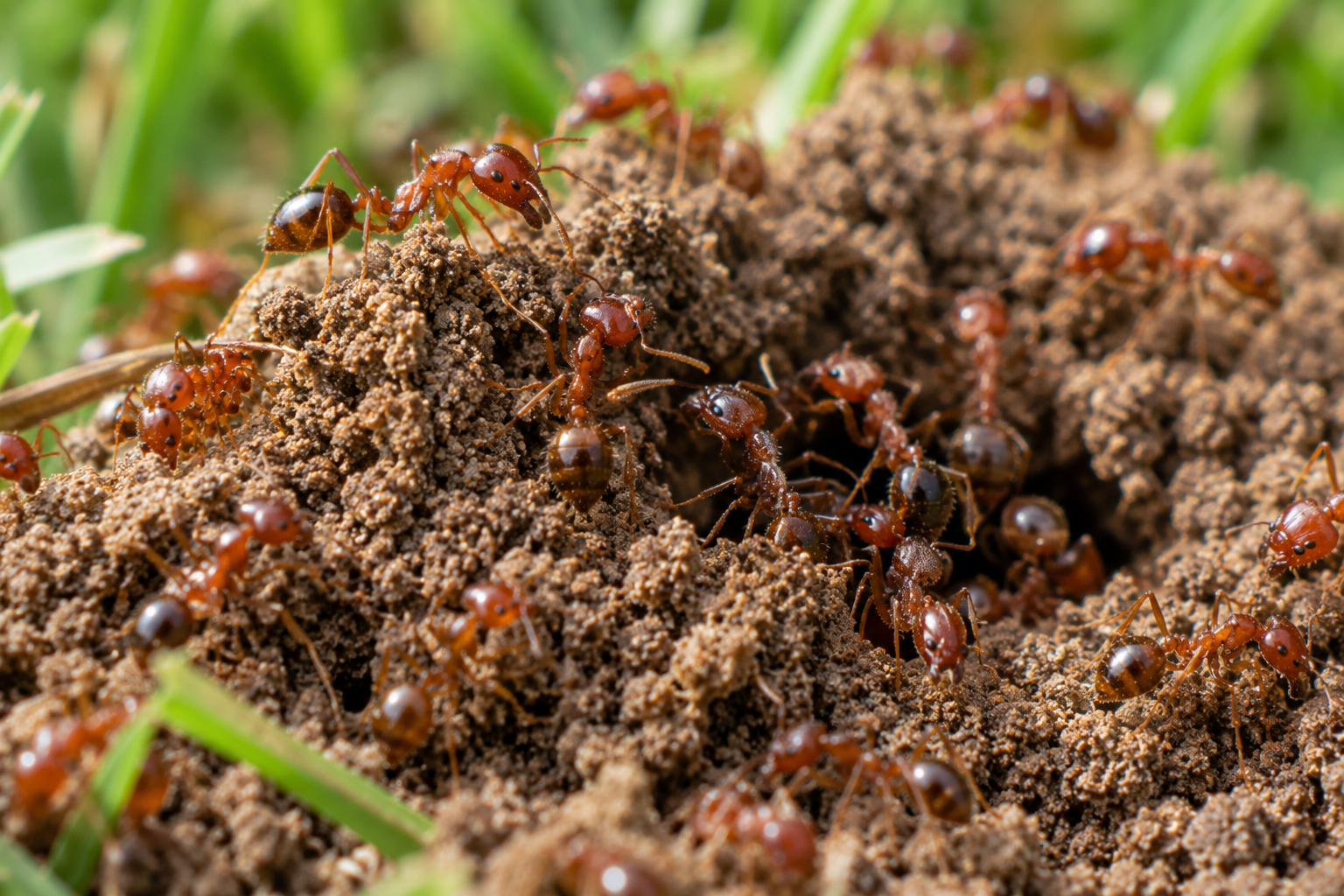
- Secondary pest infestations (Ants, Roaches)
Because bees remain active for longer periods, problems escalate faster than in cooler climates.
Contact Insect IQ for Honey Bee Removal
If you’re seeing increased honey bee activity around your home, early action matters. Contact Insect IQ at 813-930-2847 today to address the issue quickly can prevent property damage among other concerns.
Schedule Your Inspection