
Winter Pest Control: Why Ongoing Service Matters
Winter pests hide indoors. Learn why continuing pest control during winter prevents long-term infestations and recurring problems.

Winter Pest Control: Why Consistency Matters More Than You Think
Why Winter Pest Problems Don’t Look Like Pest Problems
Winter pest issues are easy to underestimate. Activity slows down, insects aren’t as visible outdoors, and many homeowners assume pests have disappeared. In reality, winter is when pests become most dependent on indoor shelter.
Instead of spreading across yards and landscaping, pests concentrate inside structures where temperatures are stable. Wall voids, attics, garages, and crawl spaces become long-term nesting areas. Because this activity happens out of sight, infestations often grow quietly without obvious warning signs. This makes winter one of the most important seasons to maintain pest control.
What Happens When Pest Control Stops During Winter
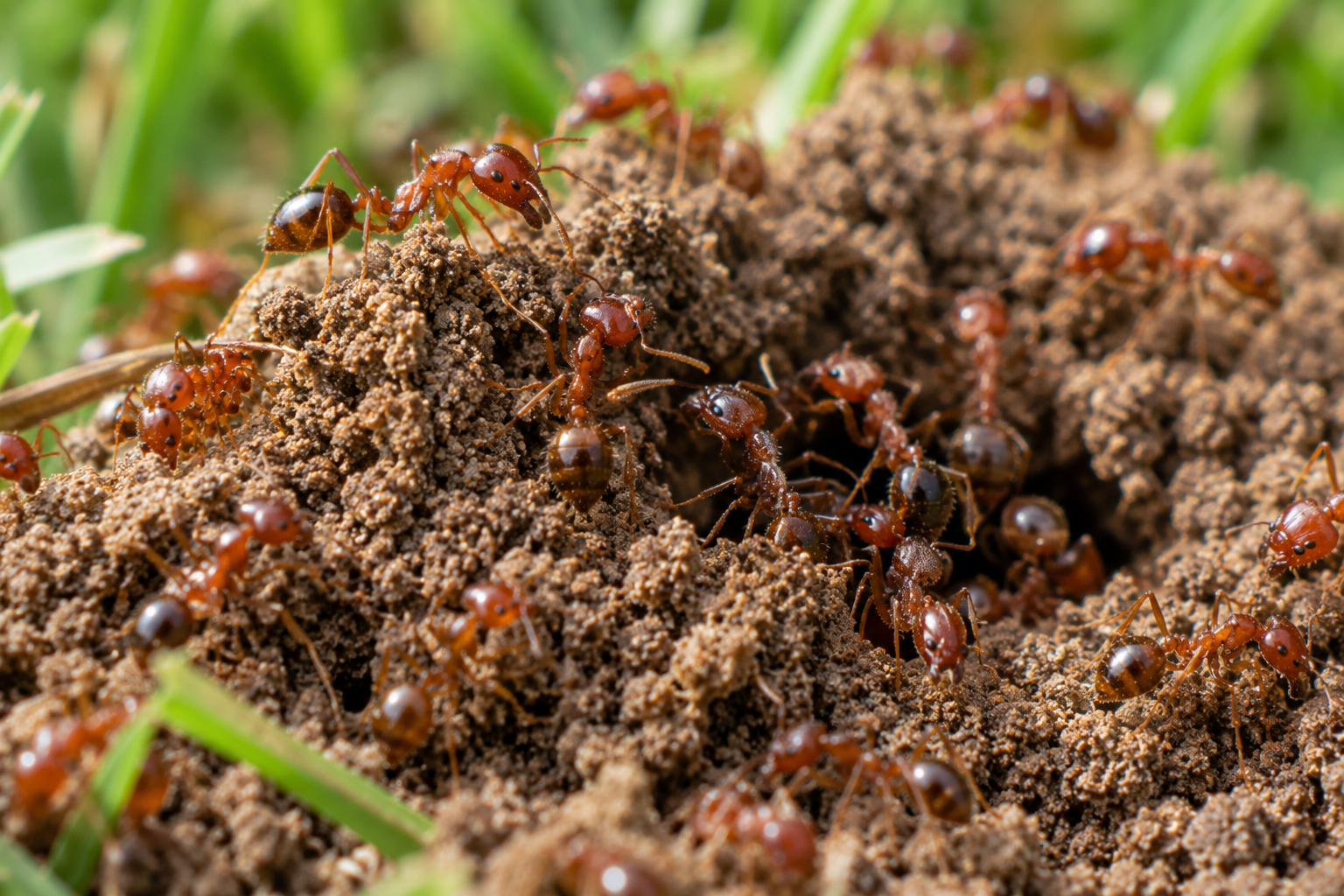
When recurring pest control is paused during winter, pests are given time to settle in without disruption. Rodents can nest and reproduce. Cockroaches establish protected harborage areas. Ant colonies survive in hidden locations near foundations or inside walls.
These pests aren’t inactive; they’re conserving energy and positioning themselves to become more active later. Once conditions shift, established pests reemerge quickly, often creating infestations that feel sudden but actually began months earlier.
Many spring and summer pest problems trace back to winter gaps in service.

Why Winter Is a Critical Season for Recurring Pest Management
Recurring pest management during winter focuses on prevention, monitoring, and continuity. Even when activity appears low, ongoing service helps:
- Maintain protective barriers around the home
- Identify early signs of rodent or overwintering insect activity
- Prevent pests from establishing permanent nesting sites
- Reduce the severity of infestations when activity increases again
Winter treatments support the effectiveness of treatments applied earlier in the year and prepare the home for the next active season.
What Winter Pest Control Focuses On
Winter pest control isn’t about reacting to visible infestations; it’s about maintaining protection while pests are hidden and vulnerable.
During winter, recurring pest management focuses on:
- Monitoring high-risk areas like attics, garages, and wall voids
- Reinforcing exterior barriers that prevent pests from re-entering
- Addressing rodent activity before nesting becomes established
- Identifying conditions that attract overwintering pests indoors
Because pests are less active, winter is often one of the most effective times to disrupt infestations before they grow. Maintaining service during this period helps prevent pests from becoming entrenched and harder to eliminate later.
Protect Your Home Year-Round with Recurring Pest Management
Pest control doesn’t stop being important just because pests are less visible. Winter is when prevention does the most behind the scenes.
At Insect IQ, our recurring pest management program is designed to protect your home year-round by addressing pest behavior as it changes throughout the seasons.
Maintaining service through winter helps prevent pests from settling in and creating long-term issues.
Contact Insect IQ at
813-930-2847 to keep your home protected all year long.