
Bug of the Week: Big Headed Ants
Seeing tiny ants with a few big-headed ones mixed in? Learn what big-headed ants are, why they spread so fast, and when to call InsectIQ for help.
Big-Headed Ants: Florida's Most Common (and Most Misunderstood) Ant
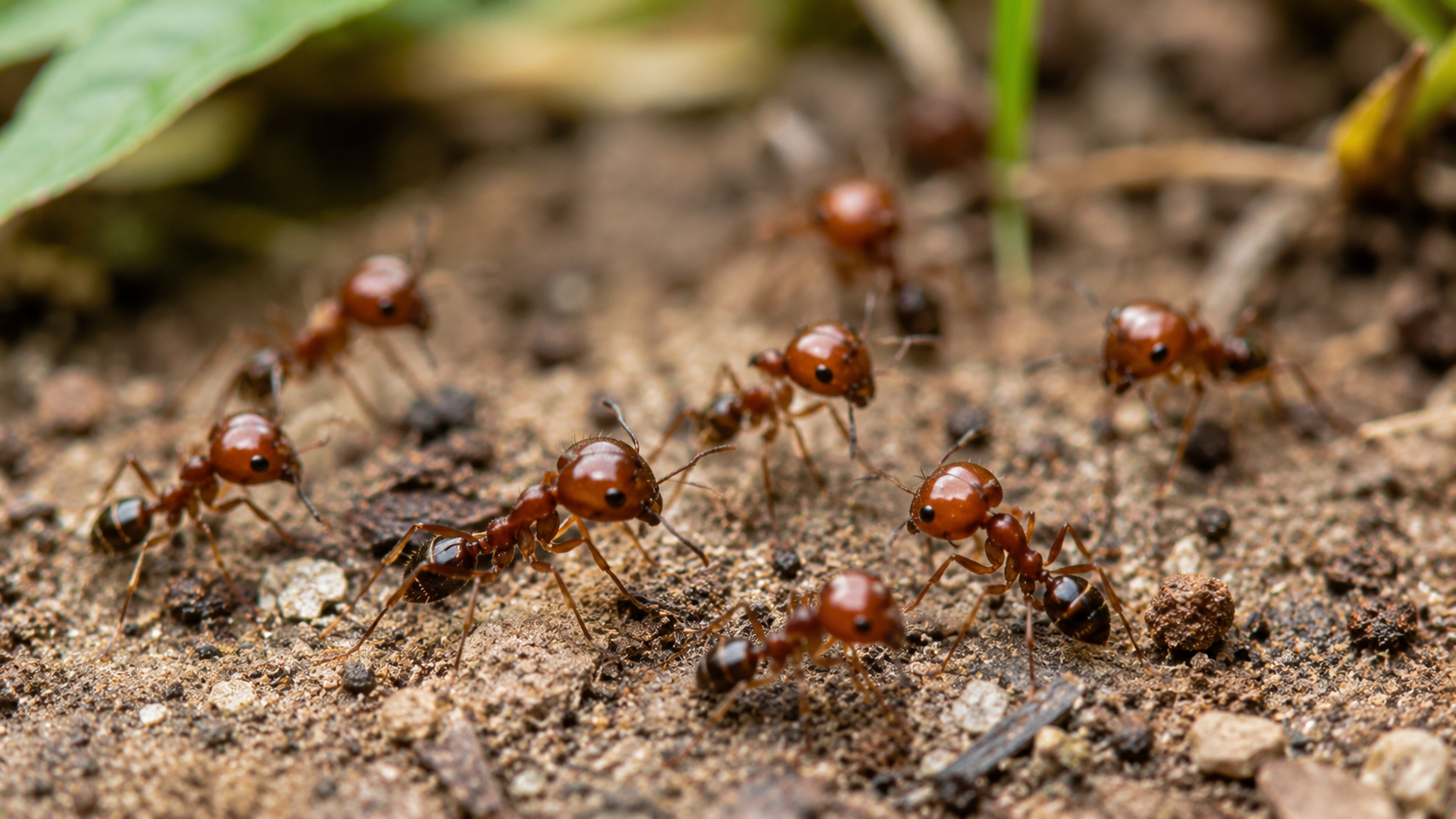
If you've ever found tiny ants trailing across your patio, with a few oddly large-headed ones mixed in, you've met a big-headed ant. They're one of the most common ants found in Tampa Bay yards, and they're often mistaken for something far more dangerous.
Here's what big-headed ants really are, why they show up in such huge numbers, and what to actually do about them.
What Is a Big-Headed Ant?
The big-headed ant gets its name from one very obvious feature: some of its workers have heads that look way too big for their bodies. This species originally came from Africa and has spread to warm regions all over the world, including Florida, where it's now found in neighborhoods from the Tampa Bay area down through the Florida Keys.
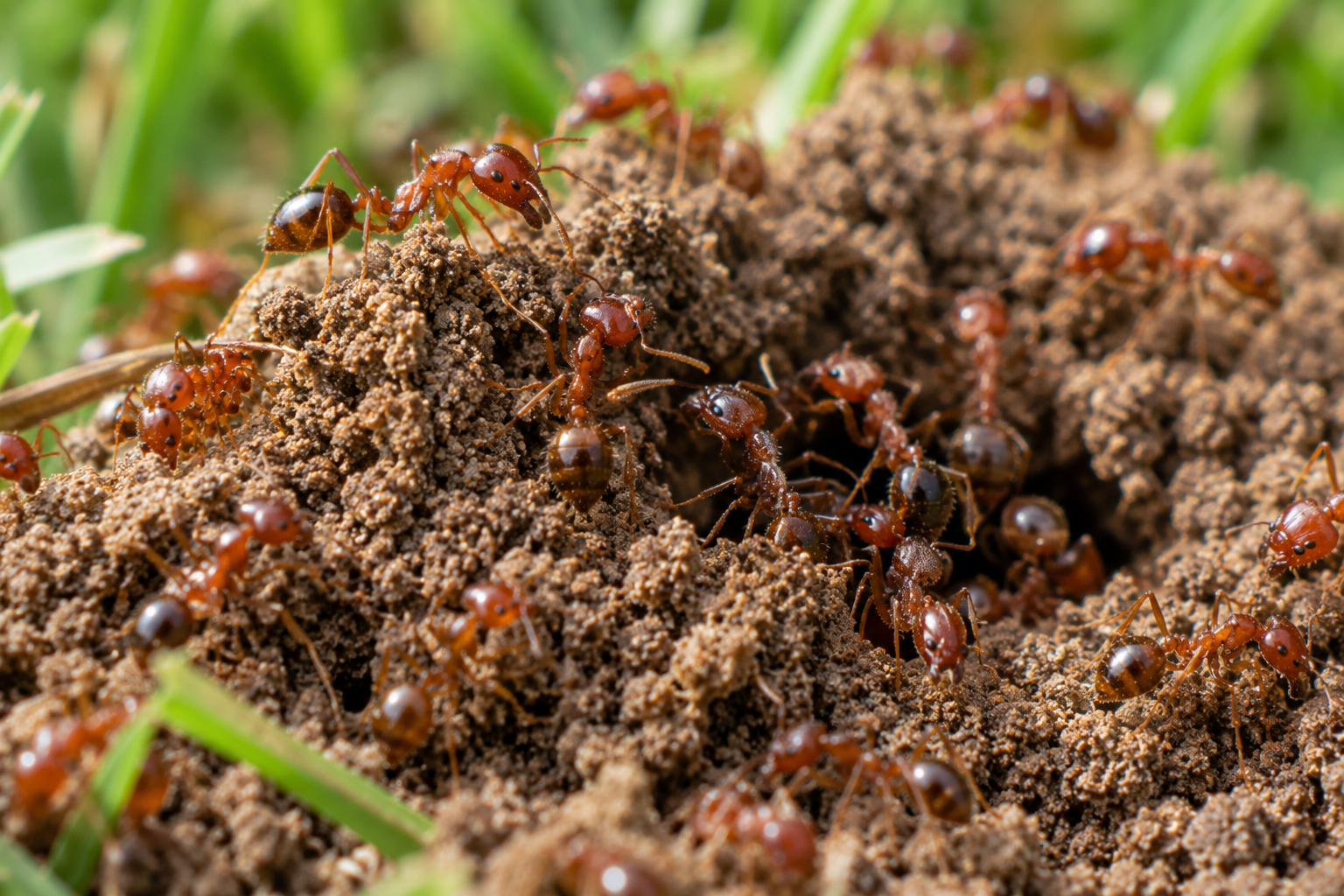
Big-headed ant colonies are made up of two very different types of workers. Most of the colony is "minor workers" — small, regular-looking ants that do most of the day-to-day work. Mixed in are far fewer "major workers," often called soldiers, which have those famous oversized heads and much stronger jaws.
Fun fact: Big-headed ants are now one of the most frequent ant calls pest control companies get in Florida. They've actually pushed out other common ants, like red fire ants and white-footed ants, in many neighborhoods.
Meet the Colony: Minor Worker, Major Worker, and the Nest
A big-headed ant colony runs like a tiny, organized workforce, with each type of ant playing a different role.
- Appearance
- Tiny, light brown, about the size of a grain of rice
- What It Does
- Forages for food, cares for young, and builds tunnels
- Where You'll See It
- Trailing across sidewalks, patios, or kitchen counters
- Appearance
- Same color, but with a massive, heart-shaped head and strong jaws
- What It Does
- Defends the colony and helps crush large food and seeds
- Where You'll See It
- Near nest openings, especially if the colony is disturbed
- Appearance
- Small mounds of loose soil, often near pavers or foundations
- What's Inside
- Multiple queens, which lets the colony grow extremely large
- Where You'll Find It
- Lawns, mulch beds, and cracks in sidewalks or driveways
What Big-Headed Ants Eat
Big-headed ants will eat almost anything. Outdoors, they hunt small insects and collect seeds. Indoors, they're drawn to sweet and greasy foods, so a few dropped crumbs or a sticky countertop is often all it takes to bring a trail of them inside looking for a meal.
Signs You Have Big-Headed Ants
What to Do If You Spot Big-Headed Ants
Big-headed ants don't sting and rarely bite, so seeing a trail in your yard isn't an emergency.
Try to trace the ant trail back to where it enters your home or where the mound is in your yard.
Because colonies have multiple queens and can be huge, DIY sprays rarely solve the problem for long.
How to Keep Big-Headed Ants Out of Your Home
- ✓ Seal cracks around windows, doors, and the foundation. These tiny gaps are exactly how minor workers sneak inside looking for food.
- ✓ Clean up crumbs and sticky spills right away. Sweet and greasy residue is one of the biggest things that draws them indoors.
- ✓ Keep mulch and plants trimmed back from the foundation. Thick mulch beds touching the house make it easy for colonies to spread inside.
- ✓ Store firewood, pavers, and yard debris away from the house. These are common nesting spots that sit right next to an entry point.
- ✓ Get a professional treatment for large or repeat colonies. Multiple-queen colonies are tough to eliminate with store-bought products alone.
Seeing Big-Headed Ants Around Your Home?
InsectIQ has entomologists on staff who can confirm exactly which ant you're dealing with and recommend the right treatment plan. We offer free evaluations so you know what's really going on before anything happens.
Contact Us Today!