
Stinging Caterpillars in Florida
Some fuzzy Florida caterpillars pack a painful sting. Learn which ones to avoid and how to keep your family comfortable outdoors.
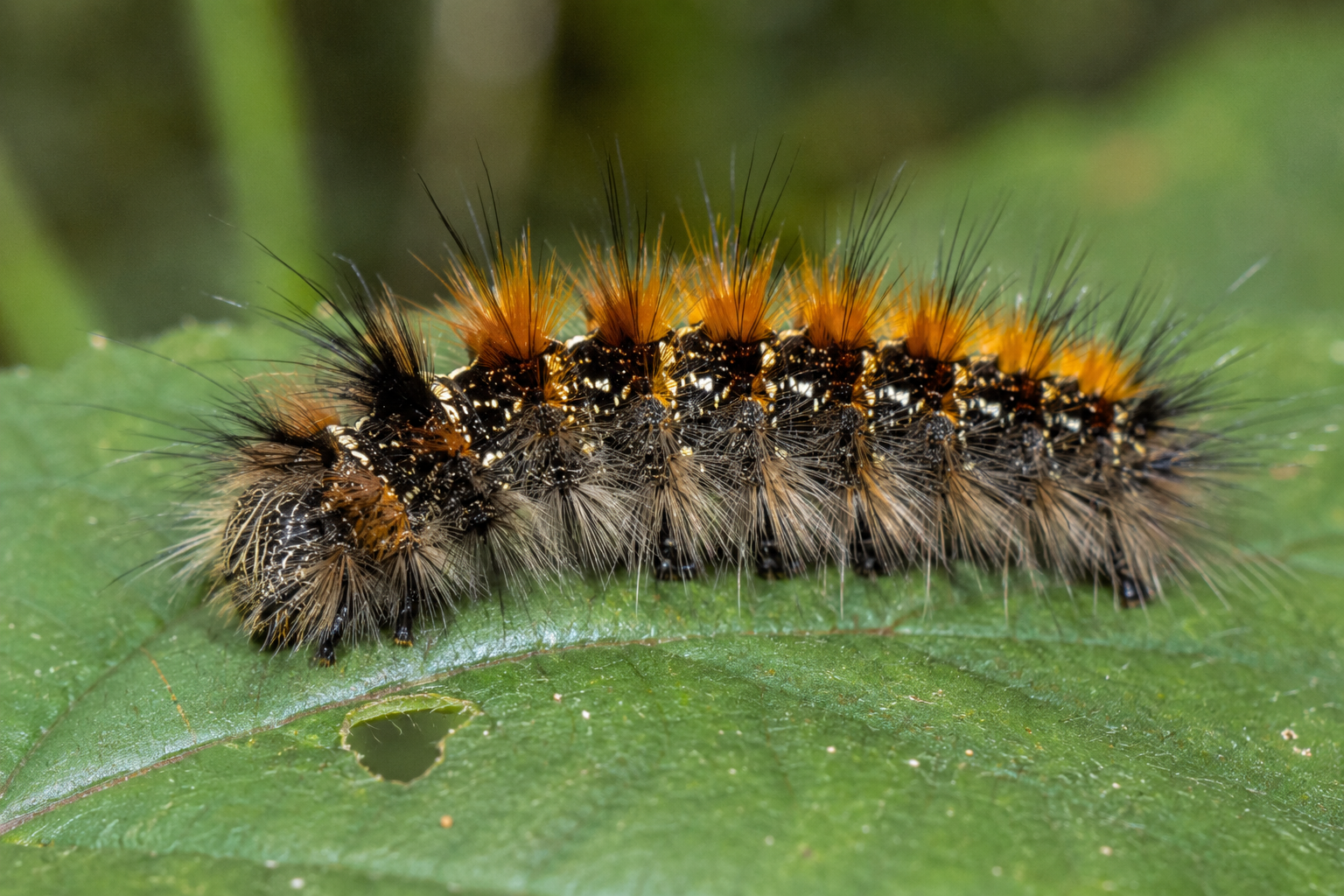
Stinging Caterpillars in Florida: The Fuzzy Bugs You Shouldn't Touch
Not every caterpillar in your yard is harmless. Florida is home to several "stinging caterpillars" that carry tiny hollow hairs filled with venom. Brush against one and you'll feel it fast — burning, redness, and swelling that can last for hours or even days.
These caterpillars usually turn up on trees, shrubs, and garden plants from spring through fall. Kids and pets are most likely to run into them because they're curious about the fuzzy or spiky look. Knowing what to watch for helps your family enjoy the yard without an unpleasant surprise.
How Do Caterpillars "Sting" If They Don't Have Stingers?
Stinging caterpillars don't sting the way a bee or wasp does. Instead, their bodies are covered in stiff little hairs or spines called urticating hairs. These hairs break off easily and stick right into your skin when you brush against them. Many of these caterpillars also carry a mild venom in the hairs or spines, which is what causes the burning pain, redness, and swelling people feel after contact.
The good news is that most reactions look worse than they are and clear up within a day or two. Still, some people react more strongly than others, and it's smart to know which caterpillars in your yard can cause trouble.
Stinging Caterpillars You Might Find in Your Yard
Saddleback Caterpillar
- Look For
- A bright green "saddle blanket" patch on a brown body, about an inch long
- Where
- Maples, hibiscus, palms, and crapemyrtle
- Reaction
- Intense burning, swelling, and welts; one of the more painful stings
Puss Caterpillar
- Look For
- Soft-looking brown to gray fur with a small tail, about an inch long
- Where
- Citrus, oaks, and elm trees; two generations show up each year in Florida
- Reaction
- Severe pain despite the harmless, fuzzy appearance
Io Moth Caterpillar
- Look For
- Bright green body with red and white stripes, covered in spiny branches
- Where
- Hibiscus, elm, maple, wisteria, rose, and azalea plants
- Reaction
- Sudden burning and itching that fades over several hours
Hag Caterpillar
- Look For
- Brown body with curved, hairy arm-like spines of different lengths
- Where
- Oak, dogwood, and apple trees
- Reaction
- Burning, itching, and redness; severity varies person to person
Buck Moth Caterpillar
- Look For
- Dark, spiny caterpillar with white dots, growing over two inches long
- Where
- Oak and willow trees
- Reaction
- Sudden stinging and swelling that can linger for days
Spiny Oak-Slug Caterpillar
- Look For
- Small, stout body with clusters of spines along the sides and rear
- Where
- Oak, willow, and cherry trees
- Reaction
- Milder sting than most, but still causes burning and redness
When to get medical help: Most stings just need a cold compress and time. But if someone has trouble breathing, swelling spreads beyond the sting site, or a rash keeps getting worse, seek medical care right away. Some people are more sensitive to caterpillar venom than others.
Not Every Fuzzy Caterpillar Stings
It's easy to assume anything hairy is dangerous, but that's not always true. One local look-alike worth knowing is the tussock moth caterpillar, which is common on Tampa Bay trees and shrubs. We cover exactly what makes it different — and why you still shouldn't handle it — in our guide to tussock moth caterpillars in Florida homes.
Comparing the Sting
| Caterpillar | What It Looks Like | Typical Reaction |
|---|---|---|
| Saddleback | Green "saddle" patch on a brown body | Intense burning and welts |
| Puss Caterpillar | Soft, furry, tan to brown | Severe pain on contact |
| Io Moth | Neon green with red and white stripes | Sudden burning, fades in hours |
| Hag Caterpillar | Brown with curved, arm-like spines | Burning and itching, varies by person |
| Buck Moth | Dark and spiny with white dots | Stinging and swelling for days |
| Spiny Oak-Slug | Small and stout with spine clusters | Milder burning and redness |
Signs Stinging Caterpillars Are Around
Chewed or ragged leaf edges on trees and shrubs
Fuzzy or spiny caterpillars resting on leaves or bark
A sudden burning sting after brushing against a plant
What to Do If You Get Stung
Remove the Hairs
Press tape onto the area and peel it off to lift out any broken spines still stuck in the skin.
Cool It Down
Apply a cold compress or ice pack to ease the burning and slow the swelling.
Watch for Reactions
Keep an eye on the area for a day or two, and get medical care if symptoms get worse instead of better.
Keeping Stinging Caterpillars Away From Your Family
- Teach kids to look but not touch any fuzzy or spiky caterpillar outside
- Trim back branches that hang low over patios, play areas, and walkways
- Wear gloves and long sleeves when pruning trees and shrubs known to host caterpillars
- Check outdoor furniture and toys before kids or pets use them
- Have a professional inspect and treat trees with heavy caterpillar activity
InsectIQ has an entomologist on staff who can help identify which caterpillar is causing trouble in your yard and recommend the best way to deal with it.
Don't Let Stinging Caterpillars Take Over Your Yard
Get a trained eye on your trees and shrubs before someone gets stung.
Contact Us for a Quote