
Identifying Termites: Protect Your Home Before Damage Spreads
Learn how to identify termites, understand the risks of infestations, and protect your Florida home with professional termite control.
Identifying a Termite Infestation and the Risks Involved
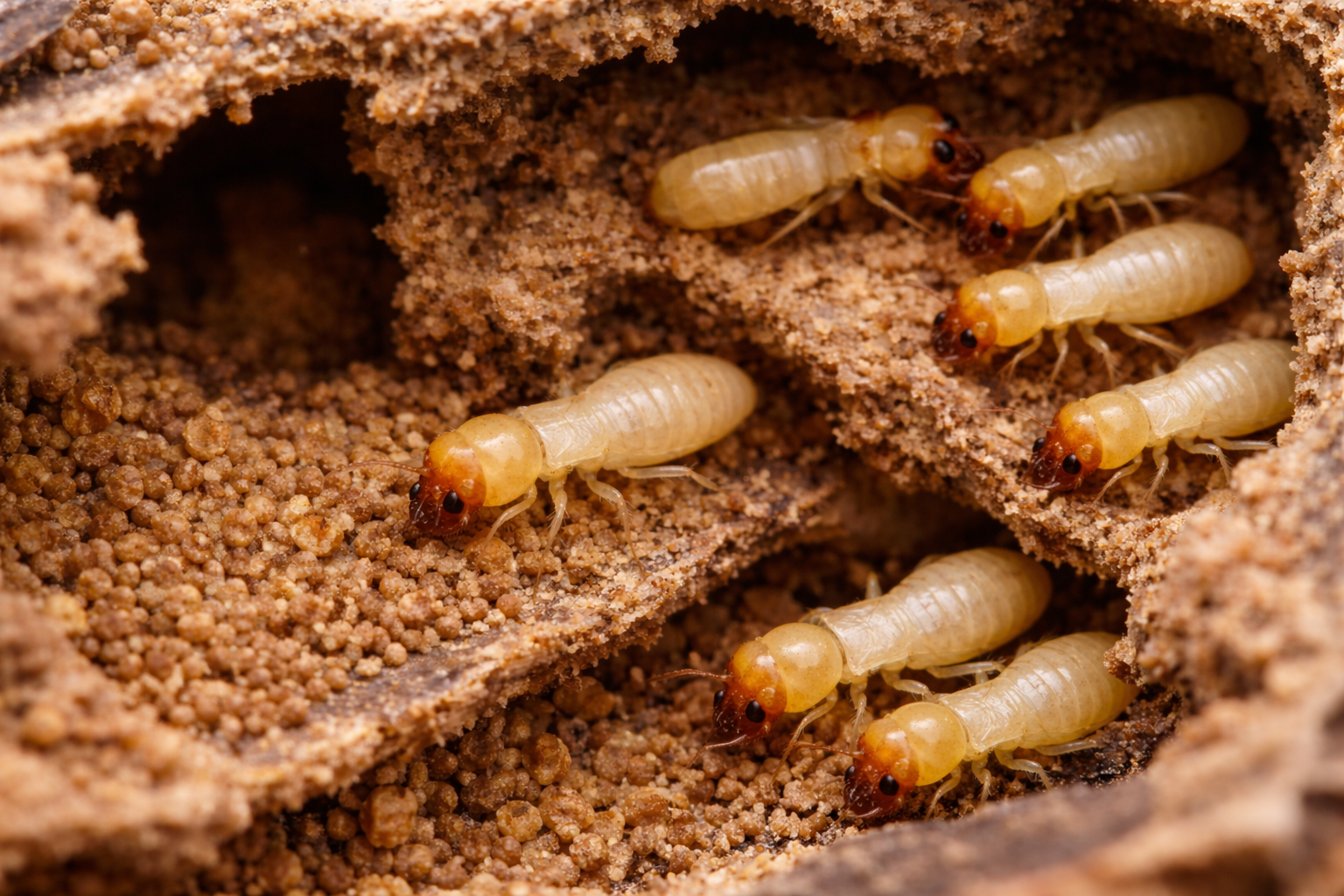
A termite infestation is one of the most damaging problems a homeowner can face, often because it remains unnoticed until significant harm has already been done. Termites feed on wood from the inside out, silently weakening the structure of your home. In Florida’s warm, humid climate, termite activity can happen year-round, increasing the risk of costly repairs. Left untreated, termites can compromise floors, walls, support beams, and even the safety of your home.
Knowing how to identify termites early is critical to preventing long-term damage and protecting your investment.
Subterranean Termites: Florida’s Most Destructive Pest
Subterranean termites are the most common and destructive termite species found in Florida. These termites live underground and build mud tubes to travel from the soil to your home.
Signs of Subterranean Termites
- Mud tubes along foundations, walls, or plumbing
- Hollow-sounding wood
- Swarming termites, often near windows or doors
- Discarded wings after swarms
Because subterranean termites rely on moisture, they are especially attracted to homes with soil contact, poor drainage, or wood touching the ground. Their large colonies allow them to cause extensive structural damage in a short amount of time.
Drywood Termites: Hidden Damage Inside Your Home
Drywood termites differ from subterranean termites because they do not need contact with soil. Instead, they live directly inside dry wood, making them harder to detect.
Signs of Drywood Termites
- Small piles of pellet-like droppings (frass)
- Blistering or damaged wood surfaces
- Hollow wood when tapped
- Swarming termites indoors
Drywood termites are often found in attics, furniture, trim, and framing. Since their colonies are smaller, infestations may take longer to notice, but the damage can still be significant if ignored.
How to Protect and Prevent Termite Infestations
Preventing termites starts with reducing conditions that attract them and investing in proven, professional protection. In Florida, where termite pressure is constant, prevention is just as important as treatment.
Termite Prevention Tips
- Eliminate wood-to-soil contact around your home
- Fix moisture issues and plumbing leaks promptly
- Keep gutters and drainage systems clear
- Store firewood and debris away from structures
- Schedule regular professional termite inspections
While these steps help reduce risk, they do not stop termites already in the soil. That’s why professional systems are essential for long-term protection.
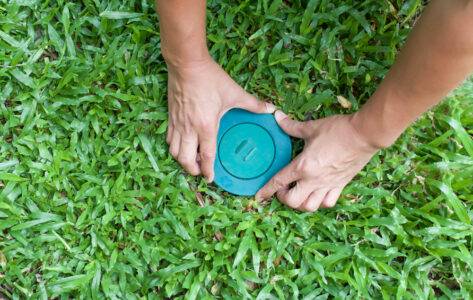
At Insect IQ, we offer the Sentricon® Termite Colony Elimination System, a proactive solution designed to target termites at the source. Sentricon works by eliminating entire termite colonies underground, before they can cause structural damage. It provides continuous protection, requires no drilling or trenching, and is trusted by homeowners across Florida.
DIY treatments often fail to reach hidden colonies, allowing infestations to continue unnoticed. A professionally installed and monitored system like Sentricon offers reliable, long-term peace of mind.
Call Us for a Termite Inspection and Quote
If you suspect termites or want to protect your home before damage occurs, Insect IQ is here to help. Our experienced team understands the behavior of termites in Florida and offers effective inspection and treatment solutions.
Call us today at 813-930-2847 for a quote and take the first step toward protecting your home from costly termite damage.