
Flea Treatment Prep | What to Do Before We Arrive
Got a flea service scheduled? Here's exactly what to do before our team arrives so your treatment works as well as possible.
What to Do Before Your Flea Treatment
Your flea service is scheduled — here's everything you need to do before our team arrives to make sure the treatment works as well as possible.
🐾 Take Care of Your Pets
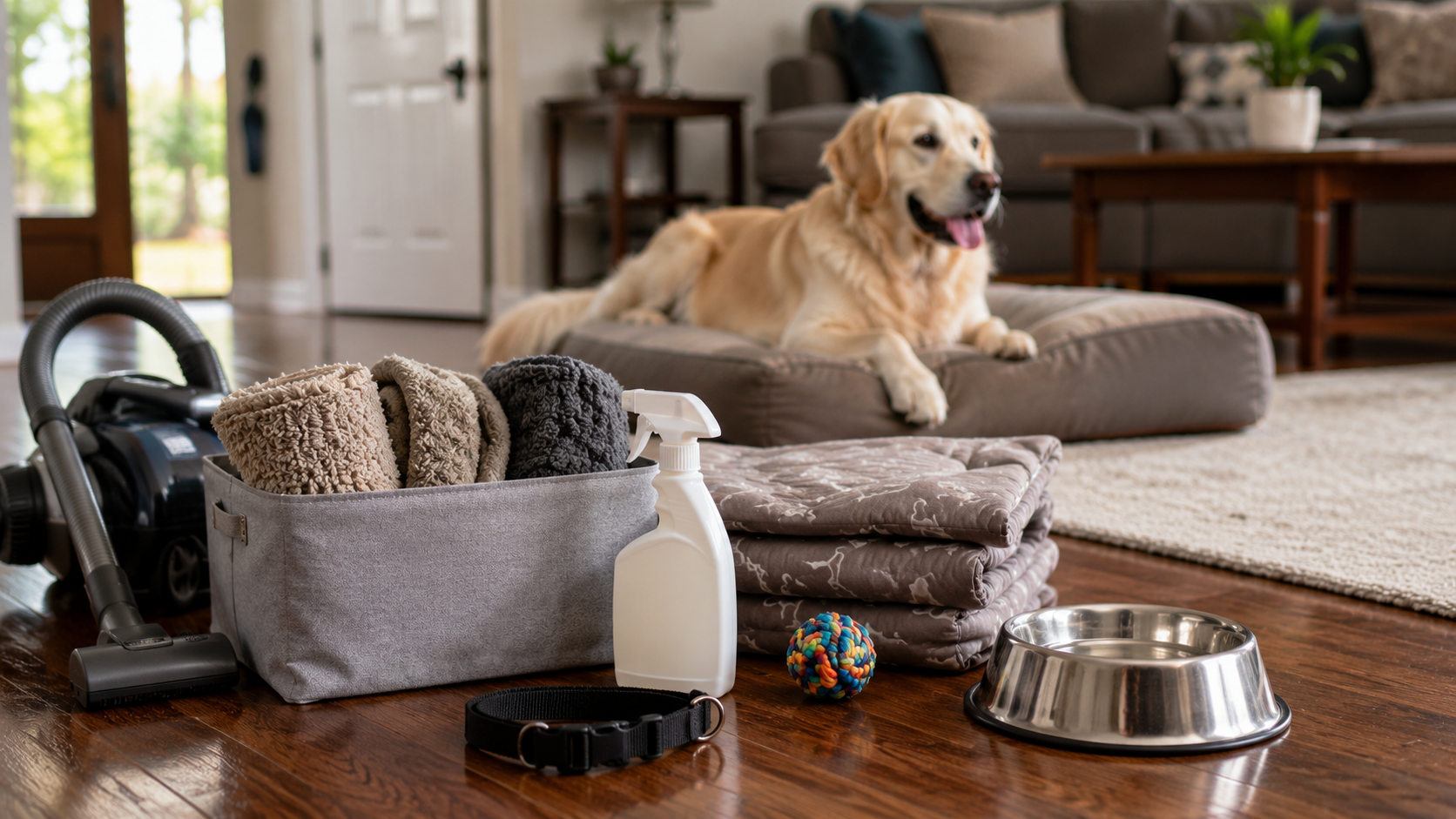
- ✓ Treat every pet in the home — all cats, dogs, and other animals need to be on flea treatment, not just the ones that seem to be scratching.
- ✓ Schedule a flea dip with your vet or groomer — try to time it for the same day so your home and your pets are treated together.
- ✓ Dry all pet bedding and throw rugs on the highest heat setting, wash them in hot water, then dry them again on the highest heat setting.
🏠 Prepare Your Home
- ✓ Pick up everything off the floor in every room — books, toys, clothes, pet items, and anything stored under beds or furniture.
- ✓ Vacuum your entire home — carpets, rugs, under beds, under furniture, and along all baseboards.
- ✓ Throw away the vacuum bag immediately after vacuuming — take it straight outside to the trash. Flea eggs inside the bag will keep developing if left in the home.
- ✓ Plan to leave the home for 1 to 2 hours after our treatment is done — all people and pets need to be out.
- ✓ Birds and fish are especially sensitive — keep them out of the home or fully covered for several hours after treatment.
🛡️ What InsectIQ Does at Your Service
We treat every room with a crack and crevice treatment — floors, under beds, under couches and chairs. Cushions are removed so we can treat all the hidden spots fleas love most.
We treat your home on the day of service, then return for a second treatment 15 days later to catch any fleas that hatched after the first visit.
💡 Why Fleas Are So Hard to Get Rid Of
Understanding how fleas behave explains why these prep steps make such a difference.
A flea can go from egg to adult in as little as 16 days — a small problem becomes a big one quickly.
Adult fleas can survive several months without a blood meal — they hide and wait until a pet or person walks by.
Fleas only hop on pets to feed. Most of their time is spent in your carpet, furniture, and dark corners — not on the animal.
The most common flea found on both cats and dogs is the cat flea — so all pets need treatment regardless of species.
A female flea needs a blood meal before she can lay eggs — treating your pets cuts off this part of the cycle.
Fleas hide under cushions, in carpet fibers, and in corners — exactly where our treatment focuses.
Questions Before Your Appointment?
We're happy to help. The more prepared your home is, the better your results will be.
Contact InsectIQ