
Birds Nesting in Homes: Signs and Prevention
Learn why birds nest in homes, the risks they create, and how to prevent nests in vents, soffits, and rooflines with professional wildlife control.
Birds Nesting in Homes: Risks, Signs, and Safe Solutions
When Birds Turn Your Home Into a Nesting Site
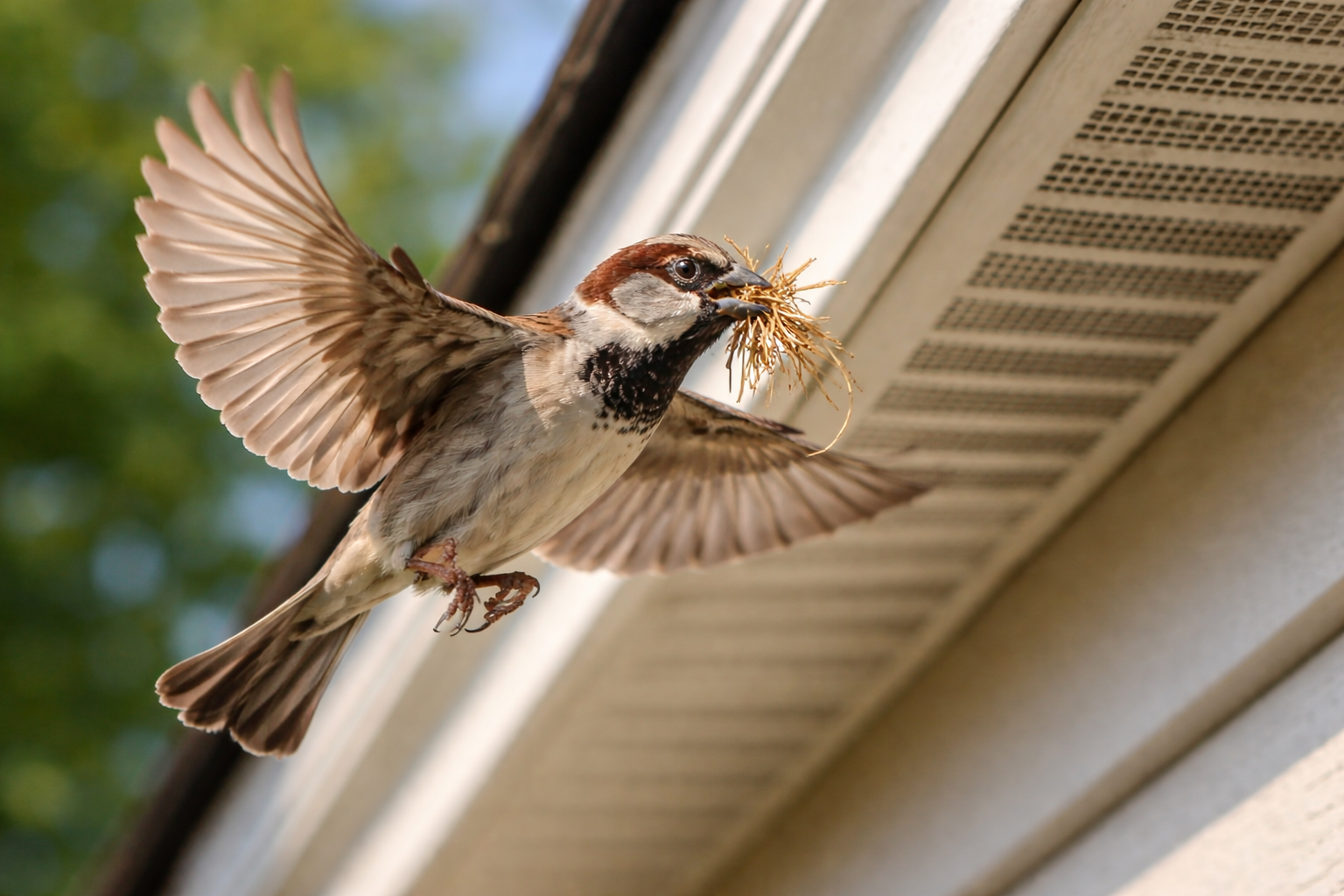
Florida’s warm climate and abundance of shelter make homes an attractive place for birds to build nests. While seeing birds around your property can be enjoyable, they can easily become a Nuisance Wildlife, starting problems when they move inside parts of your home. Vents, soffits, rooflines, and other small openings can quickly become nesting spots.
Once birds establish a nest, they can create fire hazards, airflow problems, and sanitation concerns. Understanding why birds choose nesting sites and recognizing warning signs early can help you prevent damage and protect your property.
Why Birds Choose Homes for Nesting
Many birds naturally seek protected spaces that shield their nests from predators and the weather. Homes unintentionally provide ideal conditions. Roof overhangs, attic vents, dryer vents, and soffits create warm, sheltered areas that mimic the natural cavities birds use in trees or cliffs.
In Florida, species such as sparrows, starlings, and pigeons often seek out these openings. Once a bird finds a safe location, it will repeatedly return to build and maintain a nest. Over time, this nesting material can accumulate and cause larger problems within the structure.
Common Places Birds Nest in Homes
Birds can squeeze into surprisingly small openings. Some of the most common nesting locations include:
Roof and Attic Vents
Vents often lack proper covers or screening, making them an easy entry point for birds searching for shelter.
Soffits and Rooflines
Gaps in soffits or roofing edges provide protected ledges where birds can tuck nests out of sight.
Porches and Overhangs
Birds frequently build nests above doorways, porch lights, or beams where they feel protected.
Gutters and Downspouts
Leaves and debris create a foundation that birds may build on, eventually blocking water flow.
Dryer Vents: One of the Most Common Nesting Spots
Dryer vents are one of the most frequent nesting sites found in residential homes. The warm air and sheltered opening make them extremely attractive to birds looking for a safe nesting environment.
Unfortunately, nesting inside a dryer vent can create serious hazards:
- Nesting material blocks airflow, forcing your dryer to work harder and overheat.
- Lint buildup combined with dry nesting debris becomes a severe fire hazard.
- Moisture buildup, unpleasant odors, and debris can enter the ventilation system.
These issues can quickly turn into costly repairs if left unaddressed.
Signs Birds May Be Nesting in Your Home
Bird nesting activity often starts subtly. Homeowners may notice small clues before the nest itself becomes visible. Common signs include:
- Frequent bird activity around a vent, roofline, or soffit
- Twigs, leaves, or nesting material falling near vents
- Chirping sounds coming from walls, vents, or ceilings
- Dryer taking longer to dry clothes
- Droppings accumulating around entry points
If these signs appear, it’s important to investigate the issue early before nesting materials grow larger or birds raise a full brood inside the structure.
Risks of Leaving Bird Nests in Place
While birds themselves may not seem threatening, nesting inside a home can cause several problems. Blocked vents can create ventilation issues and increase fire risk. Nesting materials may also trap moisture, leading to mold growth or structural damage. Bird droppings can introduce bacteria and parasites that pose health concerns.
Additionally, once birds successfully nest in a location, they often return to the same spot year after year if the access point remains open.
Professional Wildlife Control for Bird Nesting Issues
Removing birds or nests from homes should be handled carefully. In many cases, birds are protected under federal or state wildlife laws, which means nests cannot simply be removed at any time.
Professional wildlife control ensures that birds are removed safely and legally. Specialists can identify entry points, remove nesting materials when permitted, and install preventative solutions such as vent covers or exclusion barriers to stop birds from returning.
Protect Your Home with Insect IQ
If birds are nesting in your home, acting quickly can prevent larger problems. At Insect IQ, our wildlife control team can safely address bird nesting issues and help protect vulnerable areas of your home.
From dryer vents to rooflines, we identify how birds are getting inside and install long-term solutions that keep them from coming back.
Schedule a Wildlife Inspection