
Tussock Moth Caterpillars in Florida Homes
Dealing with tussock moth caterpillars? Learn why they appear, when they’re active, and how to protect your home.
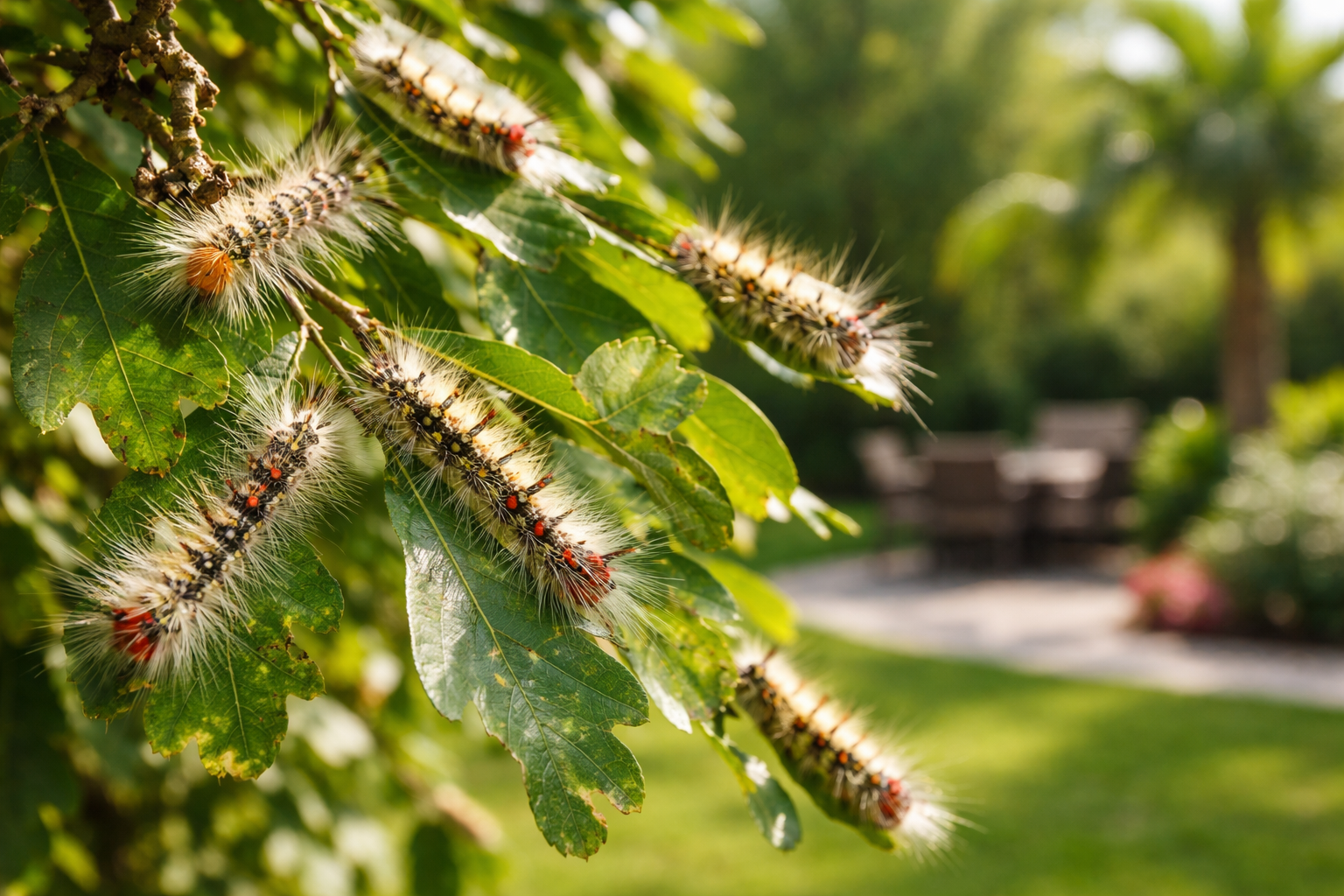
Tussock Moth Caterpillars: What Florida Homeowners Need to Know
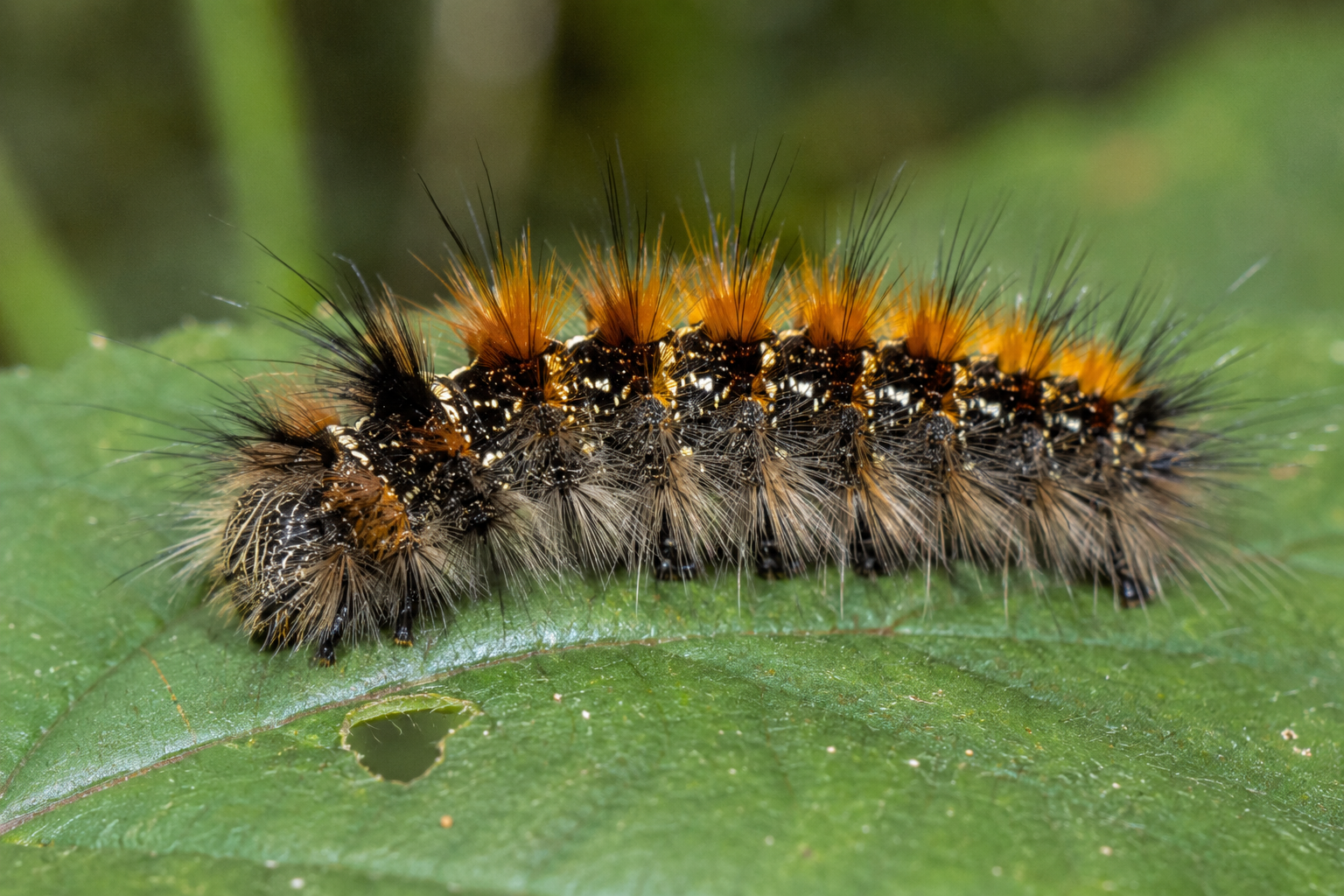
Tussock moth caterpillars may look small, but they can quickly become a big problem around your home. Covered in distinctive tufts of hair, these caterpillars often show up on trees, shrubs, and even along exterior walls. In Florida, it’s not uncommon to see them in large numbers, especially during peak seasons.
Homeowners often notice them crawling across patios, dropping from branches, or clustering on landscaping—creating both a nuisance and a potential health concern.
Why You Are Seeing Tussock Moth Caterpillars
Tussock moth caterpillars appear when environmental conditions are just right for their development. Florida’s warm climate allows these pests to thrive for much of the year.
Preferred Food Sources
They are usually found near their preferred food sources, including:
- Oak trees
- Fruit trees
- Ornamental shrubs
- Native vegetation
Environmental Factors
Female moths lay eggs on tree bark, leaves, or nearby surfaces. Once the eggs hatch, the caterpillars stay close to where they emerged to begin feeding. If your yard has abundant greenery, it creates an ideal habitat for these insects to grow and multiply.
Outdoor lighting can also play a role. Lights attract adult moths, increasing the chances that eggs are laid near your home.
When Tussock Moth Caterpillars Are Active
In Florida, tussock moth caterpillars are most active during the warmer months, typically from spring through early fall. However, due to the mild climate, activity can extend beyond these months in some areas.
You are most likely to notice them during their larval stage, when they are actively feeding and growing. This stage is when they are most visible and most problematic.
As they mature, they will eventually pupate and transform into adult moths. These moths then restart the cycle by laying more eggs, leading to future infestations if left untreated.
Why Tussock Moth Caterpillars Can Be a Problem
While they may seem harmless at first glance, tussock moth caterpillars can create several issues for homeowners.
Damage to Landscaping
Their feeding habits can damage plants and trees. Large populations can strip leaves, weakening or even killing landscaping over time.
Lastly, their presence alone can be overwhelming. Seeing dozens—or even hundreds—of caterpillars around your property can make outdoor spaces uncomfortable to use.
Health & Skin Concerns
Their hairs (called setae) can cause skin irritation. Contact with these caterpillars may lead to:
- Itching
- Redness
- Rashes
In some cases, the irritation can be more severe, especially for children or individuals with sensitive skin.
Protect Your Home from Tussock Moth Caterpillars
If you are noticing tussock moth caterpillars around your home, it’s important to take action early. What starts as a small presence can quickly turn into a larger infestation.
At Insect IQ, we provide professional pest control solutions designed to target problem areas and help prevent future outbreaks. Our treatments focus on reducing caterpillar populations while protecting your home and landscape.
Don’t let tussock moth caterpillars take over your yard.
Schedule Your Service