
Paper Wasps: Identification, Behavior & Control
Learn about paper wasps, their habits, and whether they’re aggressive. Discover why professional pest control is the best solution.
Learning About Paper Wasps
Paper Wasps in Your Home: Why They Become a Problem
Paper wasps are one of the most common stinging insects homeowners encounter. They often appear suddenly in the spring and summer, building small nests under roof eaves, porch ceilings, soffits, and other sheltered areas around the home. While a single nest may seem minor at first, paper wasps can quickly turn a peaceful outdoor space into an uncomfortable or even dangerous area.
Many homeowners notice paper wasps when they begin seeing them flying in and out of a specific spot on the house. This usually means a nest has already been established. Because these insects defend their nests when disturbed, getting too close can lead to painful stings. Understanding their behavior and knowing how to handle them properly is the first step in preventing paper wasps from becoming a larger problem around your home.
Paper Wasp Habits and Nesting Behavior
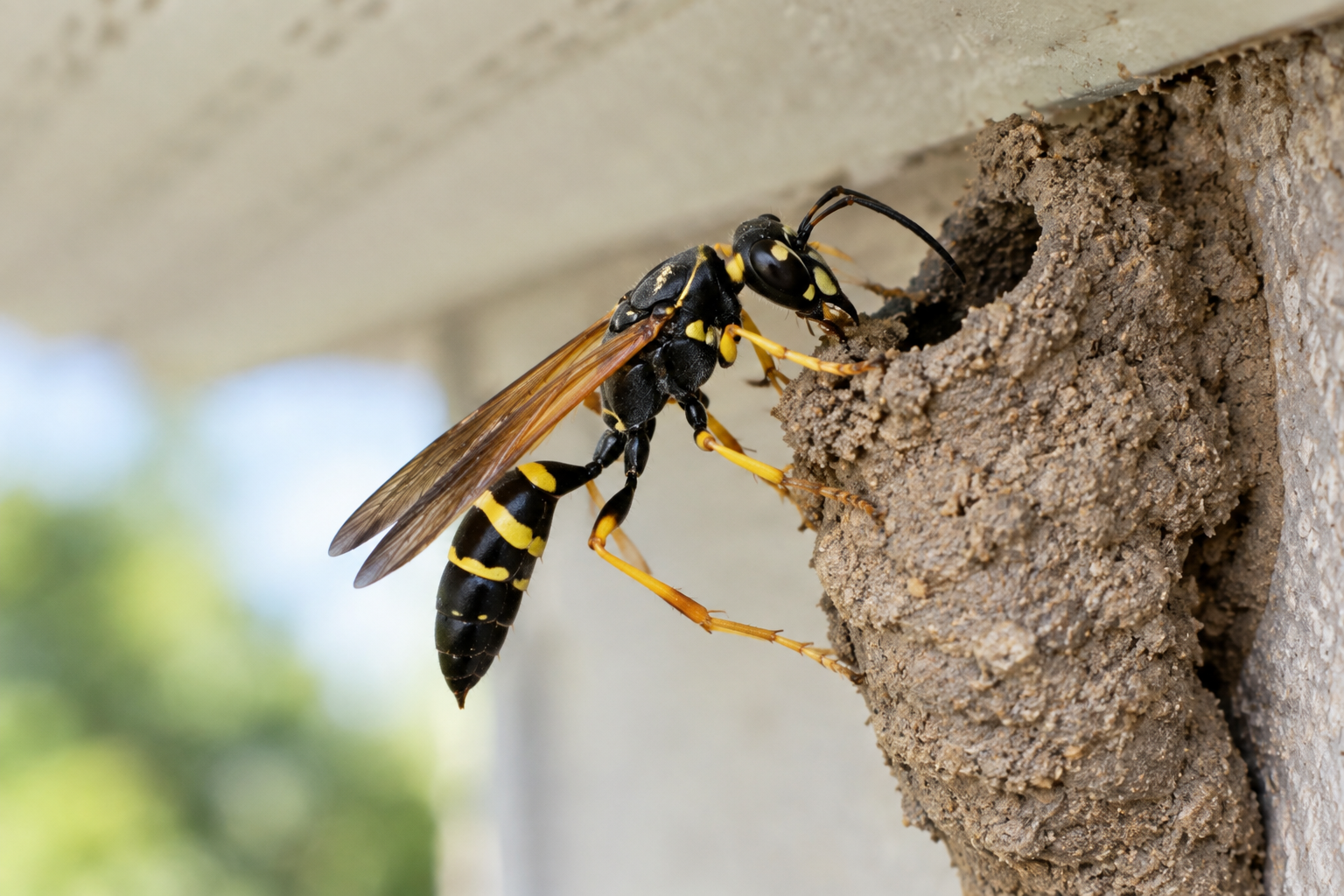
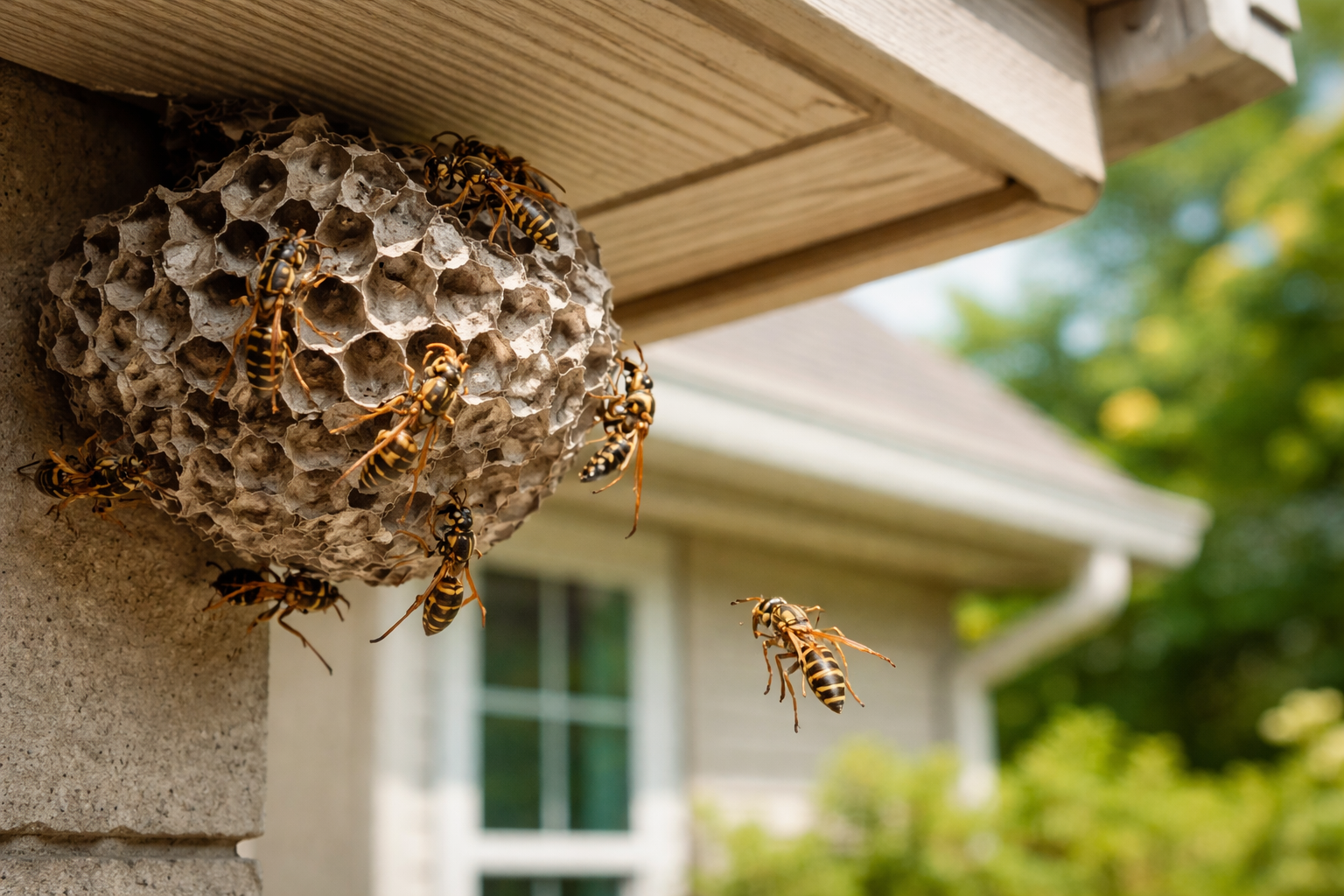
Paper wasps get their name from the distinctive nests they build. These nests are made by chewing wood fibers and mixing them with saliva to create a paper-like material. The result is a small, umbrella-shaped nest with exposed hexagonal cells.
Common Nesting Locations
You will typically find paper wasp nests in protected areas such as:
- Roof overhangs and soffits
- Porch ceilings
- Attic vents
- Window frames
- Outdoor light fixtures
- Decks and railings
Colony Growth & Diet
In early spring, a single queen begins building the nest and laying eggs. As the larvae mature, they become worker wasps that help expand the nest and care for new offspring. Over the course of the season, the colony can grow significantly.
Paper wasps are also attracted to food sources around homes. They hunt other insects to feed their young, but they may also visit sugary substances, garbage, and outdoor food sources. This combination of nesting locations and food availability often brings them very close to human activity.
Are Paper Wasps Aggressive?
Paper wasps are generally considered less aggressive than some other stinging insects, but they will defend their nest if they feel threatened. This defensive behavior is where most problems occur.
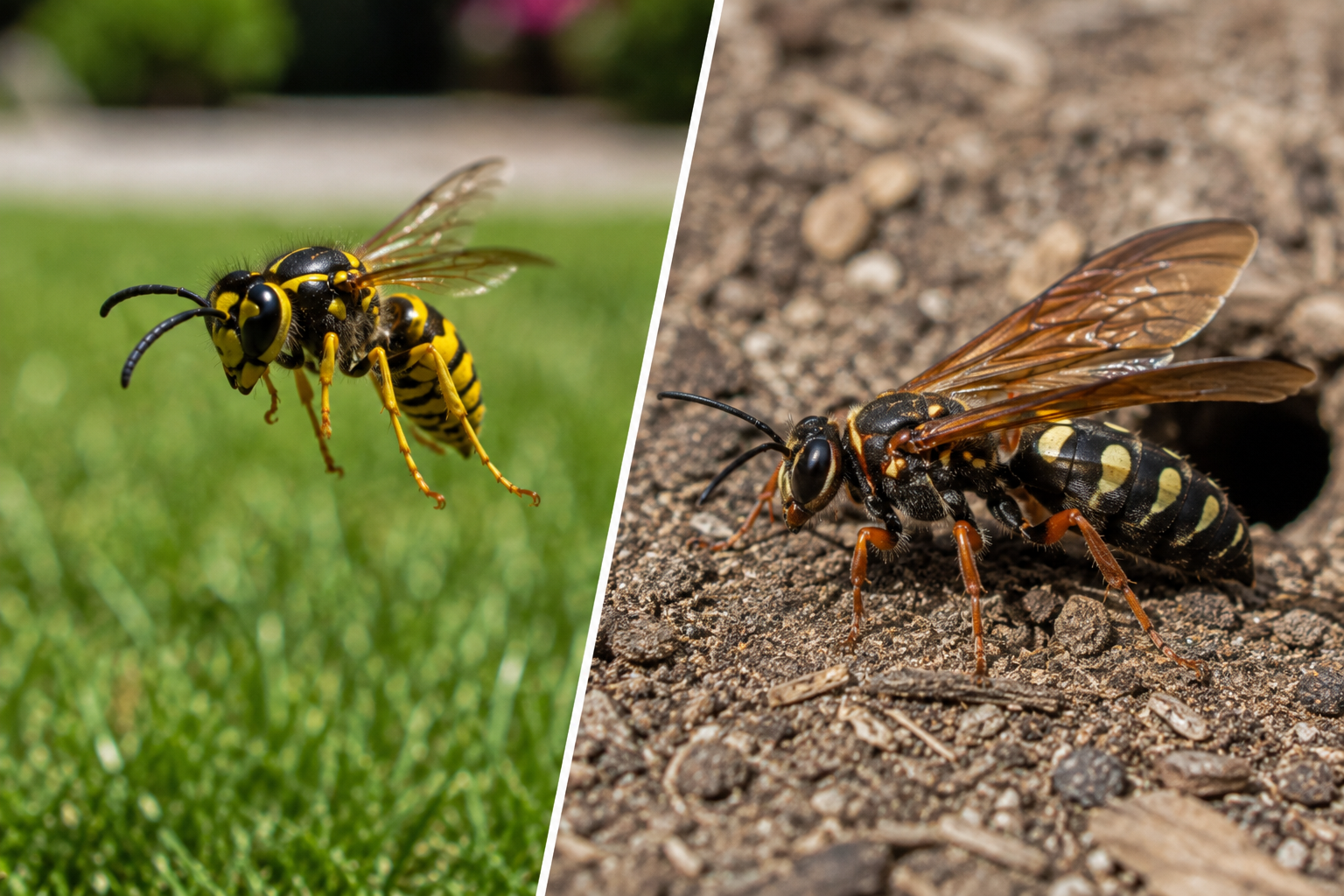
Unlike yellowjackets, paper wasps are not usually aggressive when they are away from the nest. However, if someone accidentally gets too close to a nest or attempts to remove it, the wasps may react quickly. Multiple wasps can emerge at once to defend the colony.
Stings from paper wasps are painful and can be dangerous for individuals who are allergic. Even people without allergies may experience swelling, redness, and discomfort. Because nests are often located around entryways, patios, and other high-traffic areas, encounters with paper wasps can happen unexpectedly.
Why Professional Paper Wasp Removal Is the Best Option
Removing a paper wasp nest can be risky without the proper equipment and experience. Many homeowners attempt do-it-yourself treatments, but these can sometimes make the situation worse.
Expert Identification and Treatment: Professional pest control technicians understand how to identify active nests, determine the most effective treatment method, and remove the threat while minimizing the risk of stings. They also know where to look for additional nests that may not be immediately visible.
Long-Term Prevention: Another advantage of professional service is prevention. A pest control professional can treat areas around the home that commonly attract paper wasps, helping reduce the likelihood of new nests forming later in the season.
Instead of risking painful stings or incomplete removal, professional treatment provides a more effective solution.
Contact Us for Professional Wasp Control
If you are seeing paper wasps flying around your home or notice a nest forming under your eaves or porch, it is best to address the issue before the colony grows larger.
Professional pest control can properly remove existing nests and help prevent future infestations. Protect your home, your outdoor spaces, and your family from unwanted stinging insects.
Schedule Your Inspection