
Spiders in Florida Homes: What You Need To Know
Dealing with spiders in Florida? Learn common species, risks, and how professional pest control keeps your home spider-free.
The Problem with Spiders in Your Home
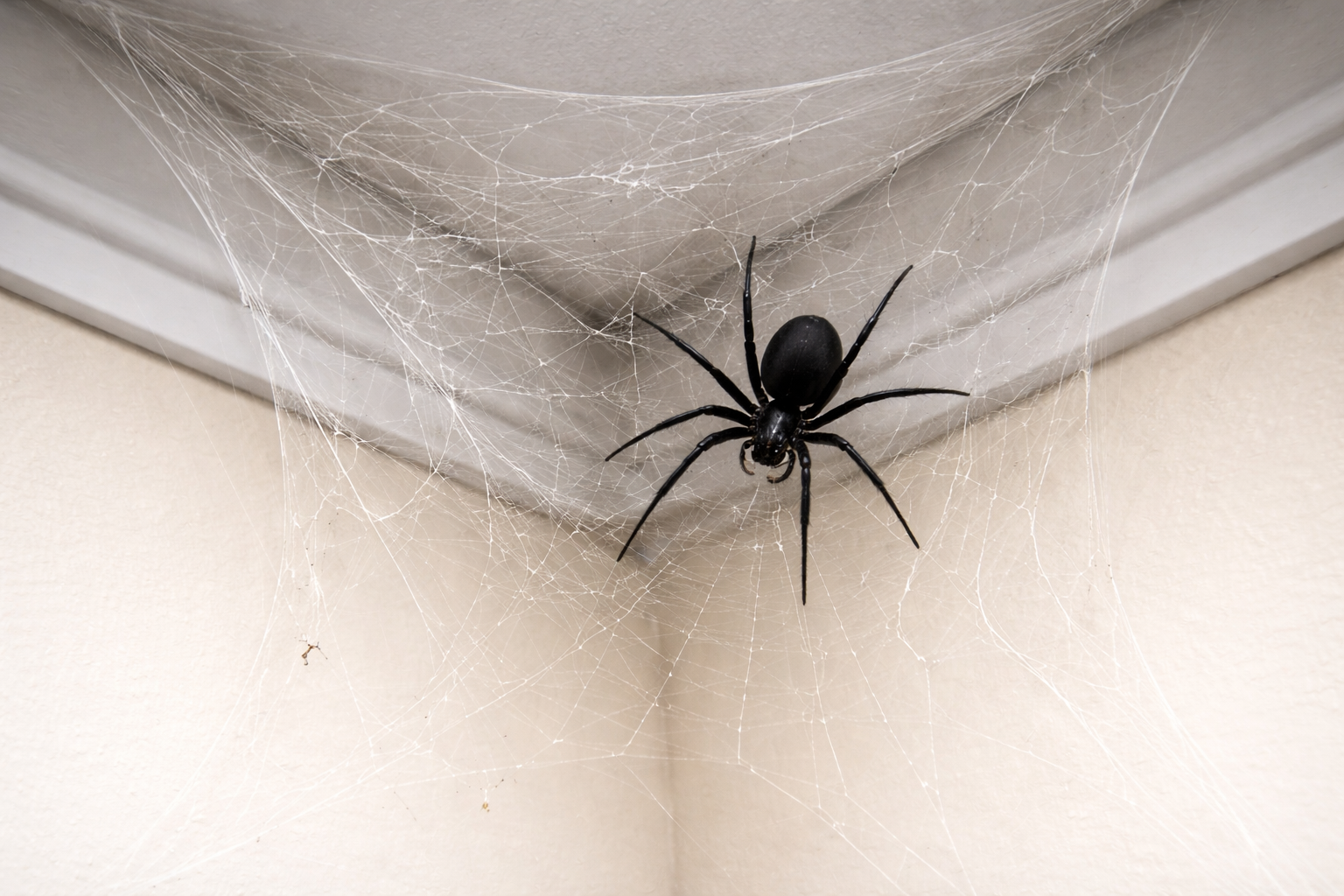
Spiders are a common concern for homeowners across Florida. While most spiders are harmless, seeing them inside your home can quickly become unsettling. From webs in corners to unexpected encounters in bathrooms, garages, and living spaces, spiders often show up where you least want them.
Florida’s warm, humid climate creates the perfect environment for spiders to thrive year-round. Homes provide shelter, steady temperatures, and a reliable food source in the form of other insects. Over time, a small spider presence can turn into a larger issue if left unchecked.
Common Types of Spiders in Florida Homes
Not all spiders are the same, and understanding what you’re dealing with can help you respond appropriately. Some of the most common spiders found inside Florida homes include:
House Spiders
These are the most frequently encountered spiders. They build webs in corners, ceilings, and quiet areas. While harmless, they can quickly create a messy appearance.
Wolf Spiders
Wolf spiders are larger and more intimidating due to their size and speed. They do not build webs but actively hunt for prey, often wandering into homes through doors or gaps.
Jumping Spiders
These small, active spiders are known for their quick movements and jumping ability. They are generally harmless but can startle homeowners.
Orb-Weaver Spiders
Often found around entryways and outdoor lighting, orb-weavers spin large, circular webs. They may occasionally make their way indoors.
Widow Spiders
Black widows are one of the more concerning species in Florida. They prefer dark, undisturbed areas like garages, sheds, and storage spaces. Their bite can be medically significant.
Why You Should Get Rid of Spiders
Even though most spiders are not dangerous, there are several reasons homeowners want them gone:
Unwanted Indoor Activity
Spiders create webs that collect dust and debris, making your home look unclean. Their presence often signals an underlying insect problem.
Potential Health Risks
Certain spiders, such as widow spiders, can pose a risk if disturbed. While bites are rare, they can require medical attention.
Rapid Population Growth
Spiders reproduce quickly. What starts as a minor issue can grow into a widespread infestation if conditions are right.
Indicator of Other Pests
Spiders feed on insects. If you are seeing spiders, there is a strong chance other pests are already inside your home.
How Professional Pest Control Helps with Spiders
Getting rid of spiders effectively requires more than just removing webs. Professional pest control addresses the root of the problem.
- Thorough Inspection: A trained technician will identify spider activity, nesting areas, and entry points around your home.
- Targeted Treatments: Professional-grade products are applied to key areas such as windows, doors, eaves, and cracks where spiders enter and hide.
- Web Removal and Prevention: Removing existing webs and applying preventative treatments helps reduce future spider activity.
- Control of Food Sources: By reducing other insect populations, pest control eliminates the primary food source that attracts spiders in the first place.
- Ongoing Protection: Routine service ensures spiders and other pests stay under control year-round, especially in Florida’s climate.
Contact Insect IQ for Spider Control in Florida
If spiders are becoming a problem in your home, it’s time to take action. Professional treatment is the most reliable way to eliminate spiders and prevent them from coming back.
Insect IQ provides expert pest control solutions designed for Florida homes. From detailed inspections to long-term prevention, our team is ready to protect your home and give you peace of mind.
Don’t let spiders take over your space.
Schedule Your Service