
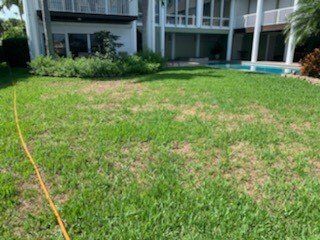
Holy Chinch Bugs Batman | My grass looks horrible.
Insect IQ offers chinch bug control in the Tampa Bay area.
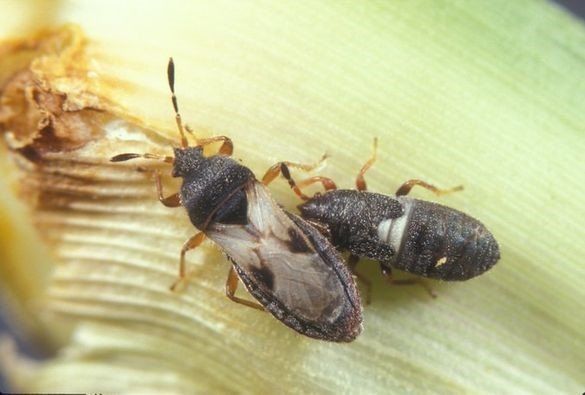
The chinch bug is a common lawn insect that can cause extensive damage if left untreated. Living in the thatch layer of a lawn, chinch bugs feed by piercing the plant with their mouth and sucking the plant juices. When chinch bugs feed, they release enzymes that facilitate easy feeding. The enzymes continue damaging the plant after feeding, and cause the grass to turn brown and ultimately die.
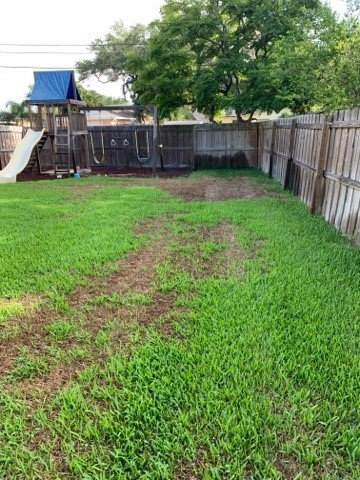
Chinch bugs are generally found in hot, sunny areas of a lawn. They tend to cluster together, which initially results in localized dead patches. These dead patches are brown, irregular sunken areas, which can coalesce into larger dead areas. Damage generally becomes evident in July and August. Chinch bugs are tiny, but don't let that fool you; they can cause serious damage to your lawn.
Chinch Bugs are small, but they can cause major damage to your lawn. The damaging nymphal stage of this pest is bright red in color with a white stripe across its back. To spot them, you will have to get down on your hands and knees and spread the turf apart. The best place to look for active chinch bugs is in areas where the stressed turf meets well-greened turf.
ARE YOU READY FOR THE LAWN OF YOUR LIFE?! $25.00 off initial service.
Our professional lawn service technicians are trained and skilled in the art of bringing new life to your lawn. Our family-owned business (2 University of Florida Entomologists on staff,
"Father & Son") was established in 1996 and throughout the past 25 years we have devised various full-proof lawn service options that will have your neighbors talking.
Lawn Care Program *AS LOW AS $28 PER MONTH
Premium Fertilization with the use of slow-released products (Liquid and Granular)
Potash application for stronger roots.
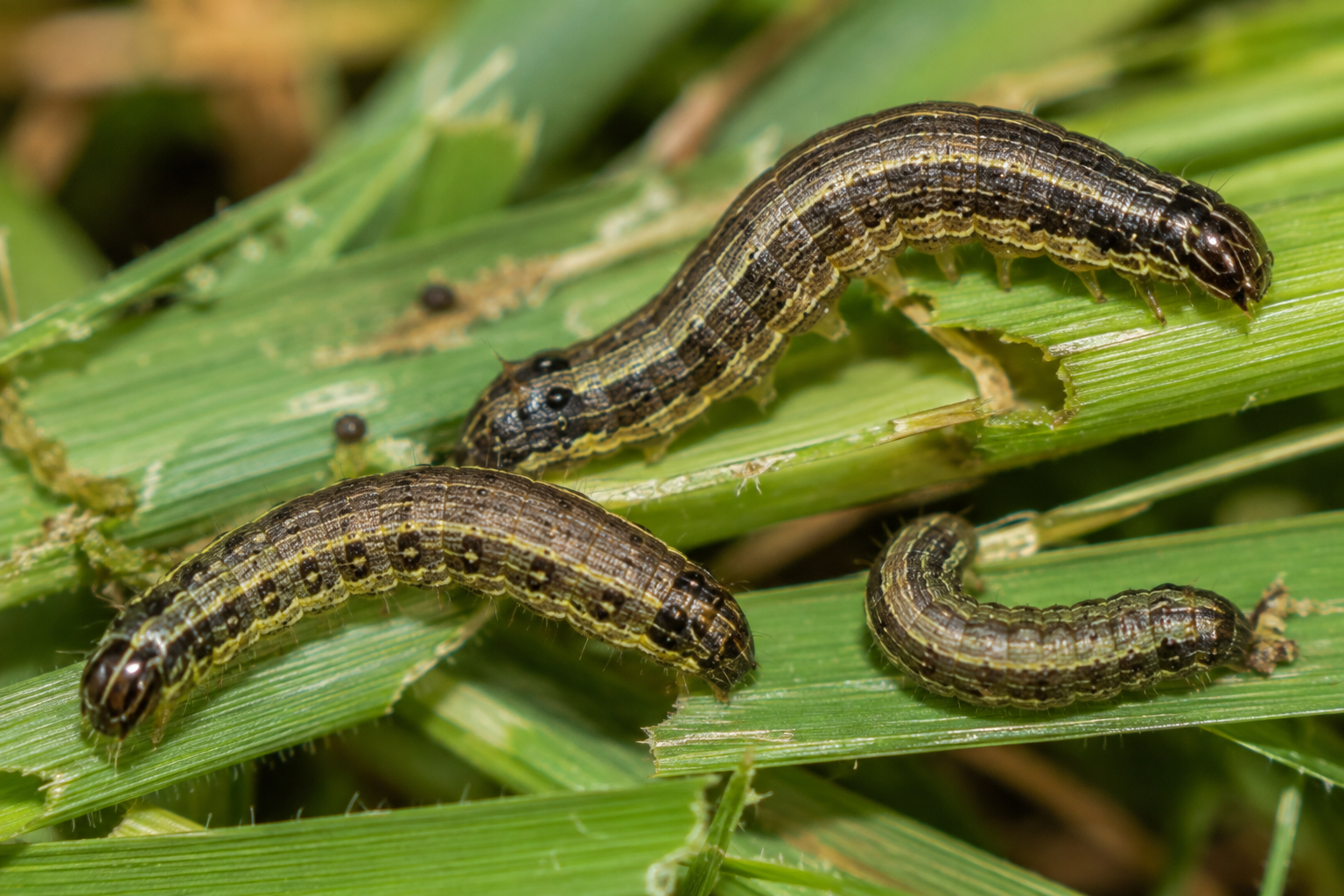
Guaranteed control of Chinch bugs, Sod Webworms, Grubs, and Broadleaf Weeds.
Tree/Shrub Program * AS LOW AS $23 PER MONTH
Scheduled inspections of ornamental plants.
Treatments as needed for the control of damaging insects such as Aphids, Whitefly, Scale and more.
Nutritional sprays to keep plants healthy.
Insect IQ / Nutrilawn IQ has always been willing to identify turf or shrub damage free of charge. Take a picture and email it to
CustomerService@Insectiq.com.
For more information
Contact us today, 855-930-2847, and ask about our lawn & shrub pest management services. Mention our post–get a free evaluation and an additional 25% off your first service.