
Florida Roof Rats Infest Largo Condo - Smoke Candles To The Rescue
Florida Roof Rats Infest Largo Condo - Smoke Candles To The Rescue
Over the last 7 months, other pest control operators had been trying various methods to control the rats, but with limited success.
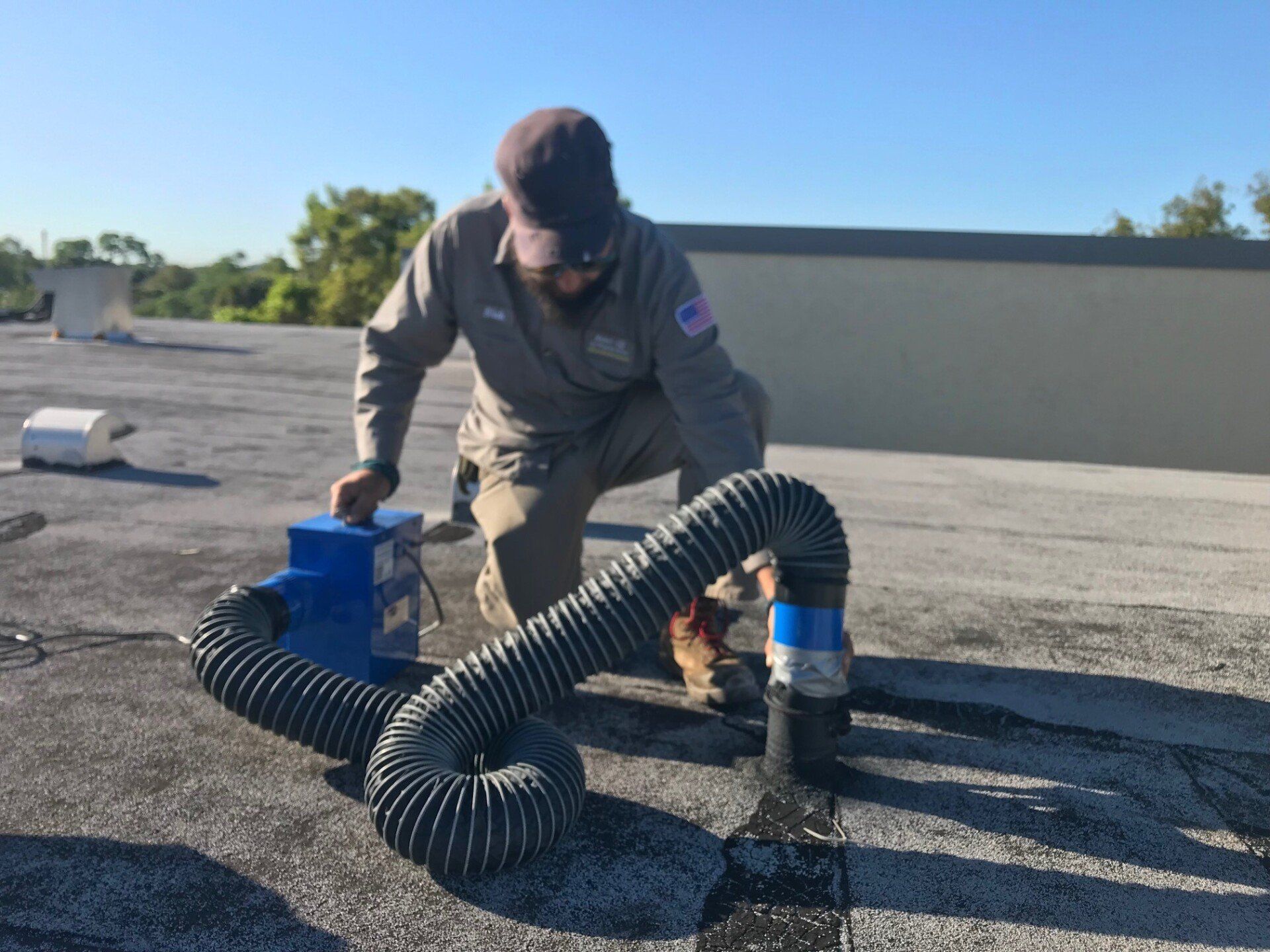
Then we took over. The most successful method for long-term pest control is an integrated approach i.e. a combination of methods that work together such as baiting and trapping along with exclusion or sealing up cracks or holes in the building.
We would like you to know that we use a combination pest control approach (exclusion/sealing cracks/sewer traps) in addition to chemicals, lights, and devices that cycle on and off at set intervals (traps.) We also suggest preventative steps that you can take to avoid rodent activity such as sealing food storage areas and keeping garbage containers covered until collected.
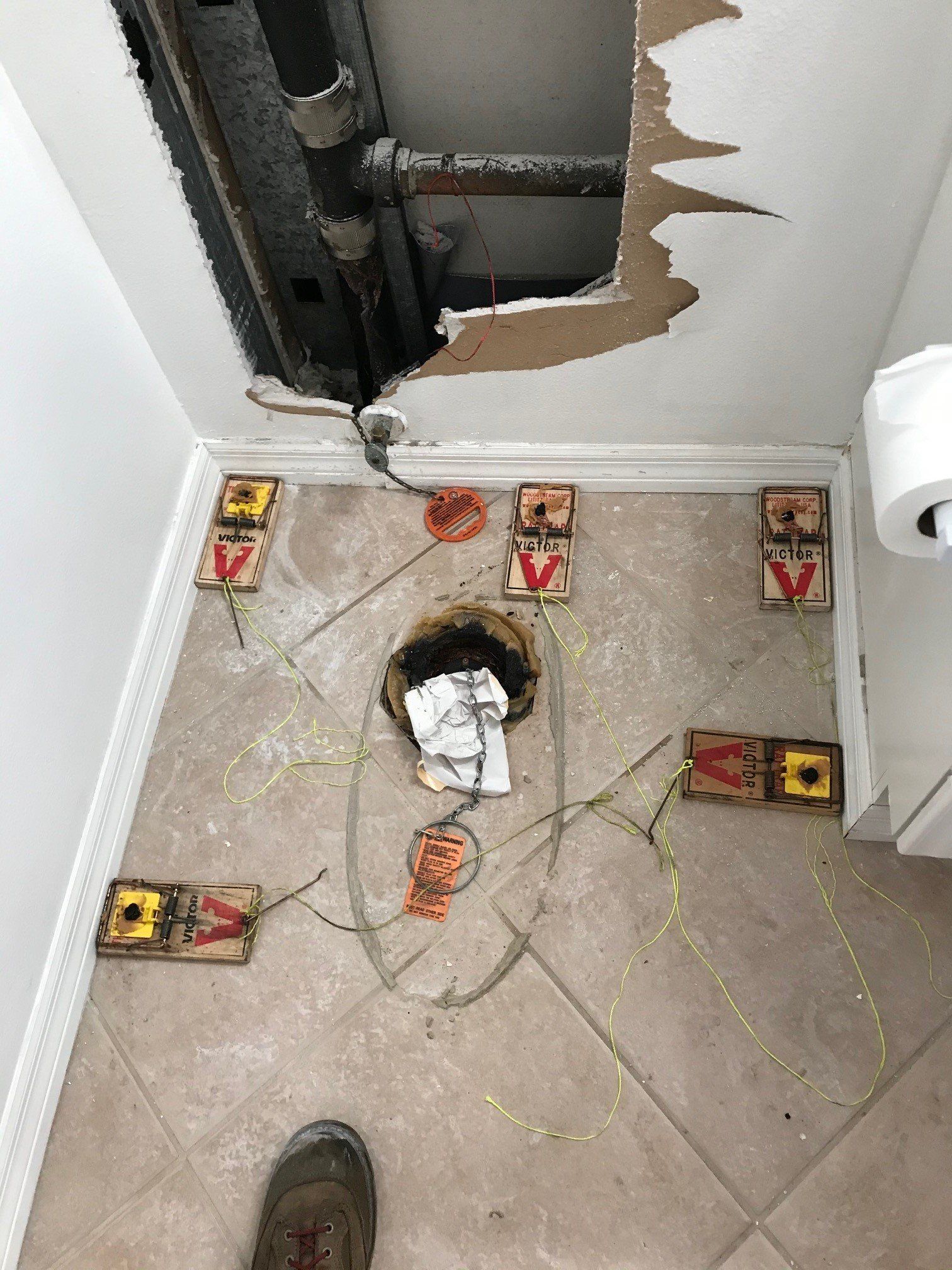
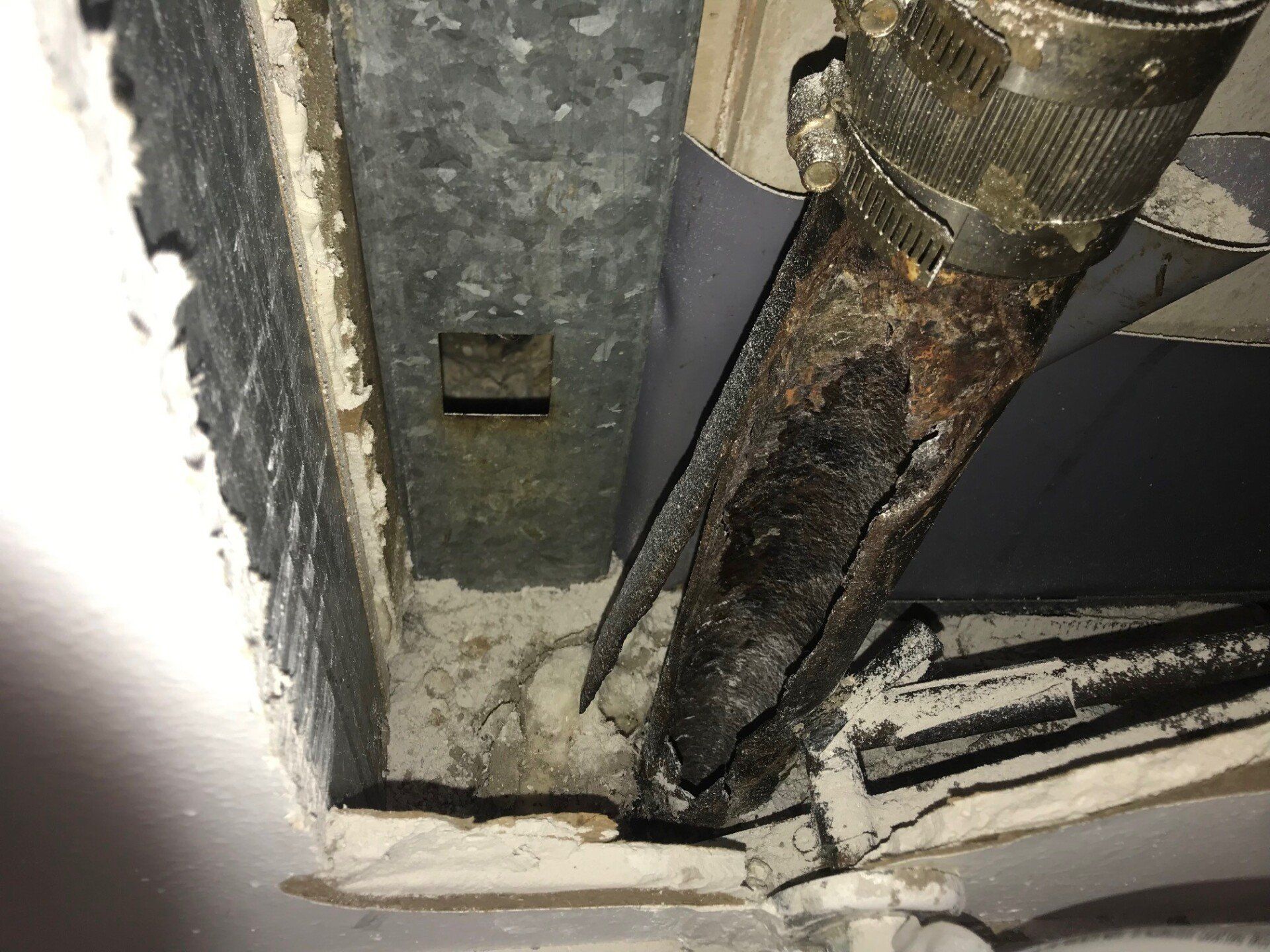
Rodentproofing— Rodentproofing is changing the structure of buildings in order to prevent entry of rats and mice. In considering rodentproofing, you must know that:
· Rats can squeeze through cracks ½ inch wide; mice, ¼ inch wide. Any place a pencil can be poked, a mouse can go.
· Rats can climb the inside of vertical pipes 1½–4 inches in diameter.
· Rats can climb the outside of vertical pipes up to 3 inches in diameter and any size if within 3 inches of a wall.
· Rats can jump vertically 36 inches, horizontally 48 inches, and reach horizontally or vertically 15 inches.
· Rats can jump 8 feet from a tree to a house if the branch is 15 feet above the roof.
We realize the importance of securing a dependable pest management firm to eliminate and control any pest population in all urban environments. Let Insect IQ take care of your wildlife problems. Here’s what we will do for you.
Critical Elements to Successful Animal Exclusions
✓ Key harborage sites and factors encouraging rodent build-up.
✓ Animal proofing by the physical elimination of all entry points and potential openings.
✓ A thorough inspection to identify the species involved.
✓ Population reduction by the use of live traps, sticky traps or other control measures
Interior Monitoring & Inspection
✓ For thirty-days, animal traps will be set in inaccessible areas.
✓ Traps will be checked once or twice/week for animal capture.
✓ After the thirty-days, the snap traps/live traps will be removed from the property.
✓ All animal exclusions are GUARANTEED FOR TWO (2) YEARS
We are confident that Insect I.Q., Inc., through the expertise and guidance of an Entomologist can provide you with the highest quality service available.
Intensive Exclusion
(1) a thorough inspection to identify the species involved, key harborage sites and factors encouraging rodent/animal build-up.
(2) recommendations for effective sanitation to deny rodents/animals food and harborage.
(3) rodent/animal proofing by the physical elimination of all entry points and potential openings through which rodents/animals can enter buildings.
(4) population reduction by the successful application of rodenticides, sticky traps or other control measures.
Interior Monitoring & Inspection
The interior monitoring will consist of an Integrated Pest Management (IPM) approach to rodent control. For thirty days (30) following the Intensive Exclusion (rodents only), rodent snap traps will be set throughout the entire building in inaccessible areas. These traps will be checked once or twice/week for rodents. After the thirty-day period, the snap traps will be removed from the building.
There is a proven solution to this issue that is affordable for any building of any size or location. Call us for more details at or visit https://www.insectiq.com/our-services/wildlife-services