
Benefits of Ongoing Pest Control Services
Discover how routine pest control keeps your home safe, healthy, and worry‑free—plus what to expect from each visit.

The Hidden Cost of Skipping Pest Control
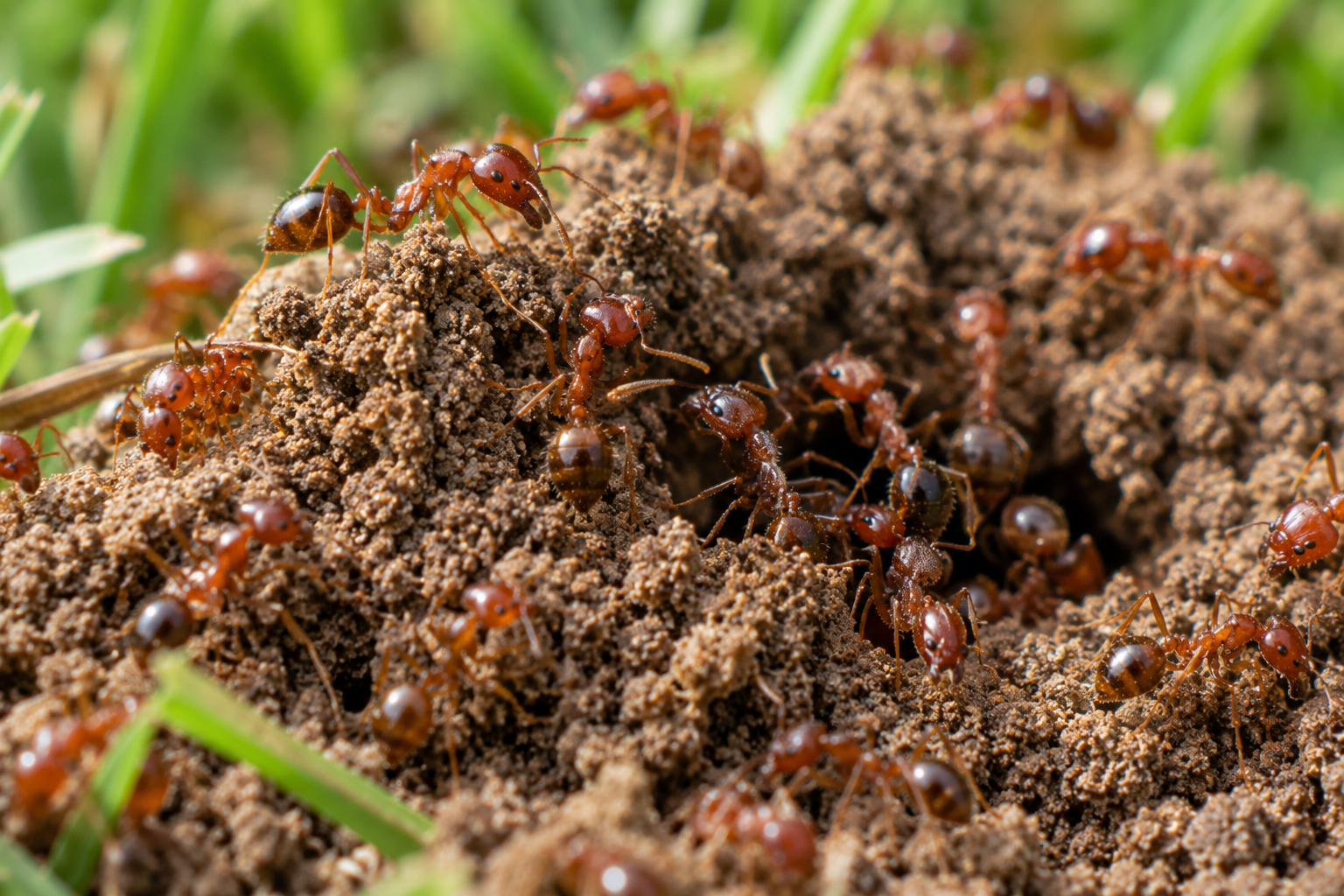
Every crack, crevice, and damp corner is an open invitation for roaches, ants, and rodents. Left unchecked, these pests spread germs, trigger allergies, and chew through wires or wood. Repairs add up fast—and so does the stress. Routine pest control flips the script. Instead of reacting to an infestation, you stop problems before they start, saving money and peace of mind.
What to Expect from Bi‑Monthly Pest Control Service
A professional pest technician doesn’t just spray and leave:
- Thorough Inspection: Each visit starts with a walk‑around to spot new entry points, nests, or moisture issues.
- Exterior Focus: Most pests invade from outdoors, so the tech treats foundations, eaves, and landscaping first.
- Interior on Demand: If you notice activity indoors—or during peak seasons—the tech will treat kitchens, baths, and general areas as needed, using targeted, family‑safe products.
- Progress Notes: You’ll get a simple service report detailing what was done and any preventive tips.
With a scheduled visit every other month, treatments overlap just enough to break breeding cycles while keeping chemical use low.
How We Get Started with Your Pest Control Service
Every successful pest control plan begins with a strong foundation, which is why your first visit with Insect IQ is a comprehensive initial service. This detailed treatment is designed to eliminate any existing pest activity and create a barrier to stop future infestations. Inside your home, we go beyond surface treatments. Technicians remove wall outlet covers to strategically place bait behind them, reaching hidden nesting areas where pests often travel. Every room, bathroom, and high-risk area is thoroughly treated to target pests at the source.
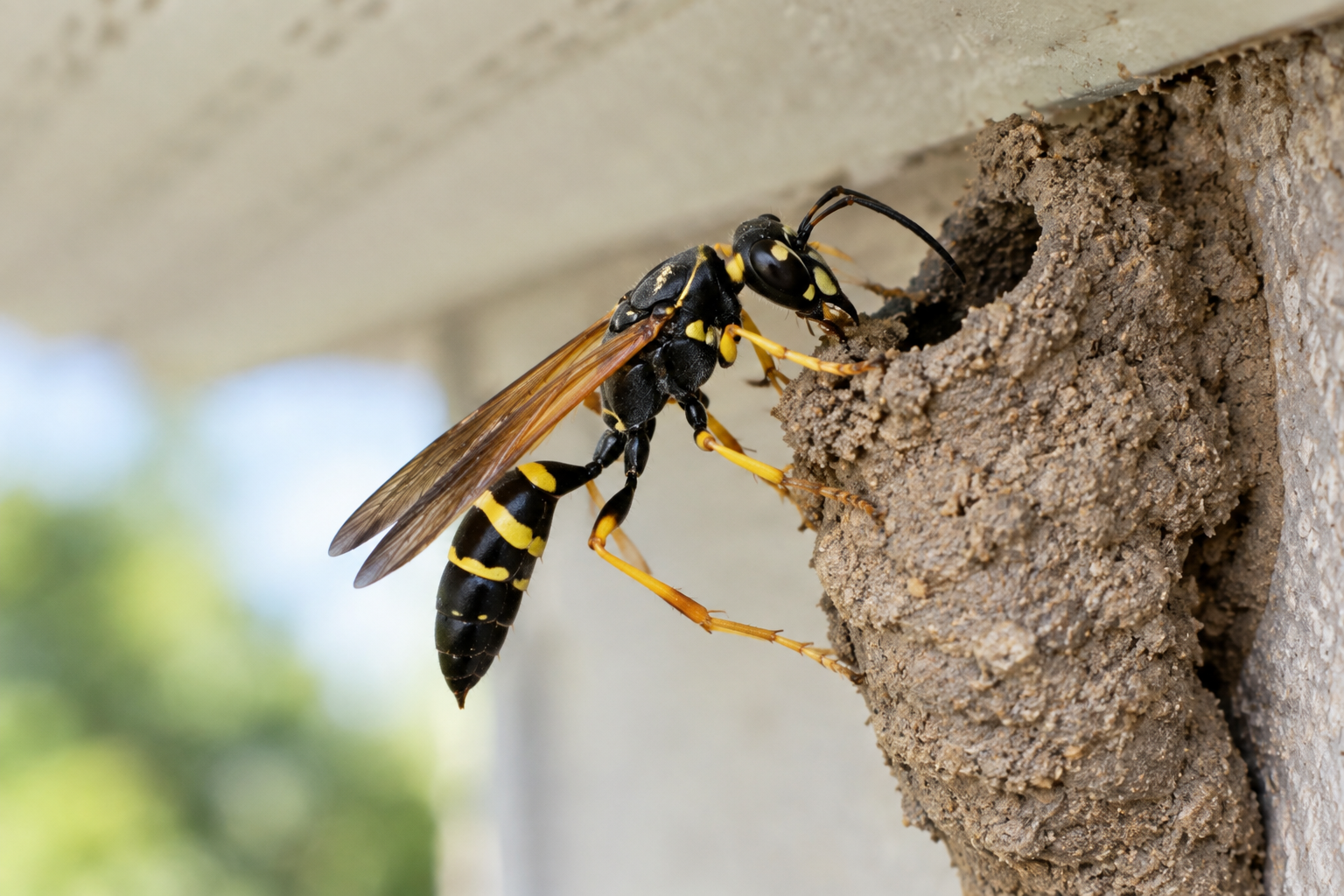
On the exterior, your home receives a complete perimeter barrier application, creating a shield that keeps crawling insects out. Granular treatments are applied in shrub and mulch beds, disrupting pests where they live and breed. We also sweep the exterior of your home to remove spider webs and knock down any wasp nests, discouraging them from rebuilding near entry points. This initial visit lays the groundwork for ongoing protection, ensuring your bi-monthly services can maintain a pest-free environment long-term.
Seasonal Treatment Methods That Keep Pests Away
Pest control is most effective when it adapts to changing pest behaviors throughout the year. Each season brings unique threats, requiring specific treatment methods to keep infestations from starting or spreading. A perimeter barrier treatment is typically maintained year-round to create a protective shield against ants, cockroaches, and other crawling insects before they reach your home. In spring and fall, granular applications are added to mulch beds and soil, working down into the ground where many pests breed, disrupting their life cycles before they multiply.
Summer introduces increased pest activity around trees, shrubs, and ornamental plants, attracting aphids, whiteflies, stinging insects, and other outdoor invaders. Power spraying these areas helps control populations early, stopping them from migrating closer to your home. During winter, when many pests seek warmth indoors, treatments often shift to sealing entry points, and addressing potential rodent activity.
By rotating these treatment methods seasonally, pest control services stay ahead of changing pest patterns. This approach prevents infestations, reduces the risk of pests developing resistance to products, and provides year-round, layered protection for your home and family.
| Season | Pests Targeted | Treatment Methods | Why It Works |
|---|---|---|---|
| All Year | Ants, cockroaches, crawling insects | Perimeter barrier around the home | Creates a protective boundary to stop pests from entering the house. |
| Spring & Fall | Various soil-dwelling insects | Granular applications to mulch beds and soil | Targets pests at their source, where they live and breed. |
| Summer | Aphids, whiteflies, stinging insects | Power spraying of shrubs and ornamentals | Knocks down infestations on plants before they can spread closer to the home. |
Get Started with Insect IQ Today
Why wait for pests to take over your home? Call Insect IQ to schedule your bi‑monthly pest control plan. With expert care and a proactive approach, you can enjoy a healthier, more comfortable home free from unwanted invaders.