
Children and Head Lice. Educate yourself!
The human head louse affects an estimated 10 to 12 million individuals annually in the United States. Known as pediculosis or "lousiness," it is one of the most common contagious conditions in the country. The transmission of lice primarily occurs through direct contact between individuals or by sharing personal items such as combs, brushes, hats, costumes, athletic equipment, towels, or bedding. It's important to note that human head lice do not inhabit animals or household pets, and they are not transferred from pets to humans. While head lice infestations are commonly found in children due to their active play and close proximity, they can also affect adults.
BIOLOGY
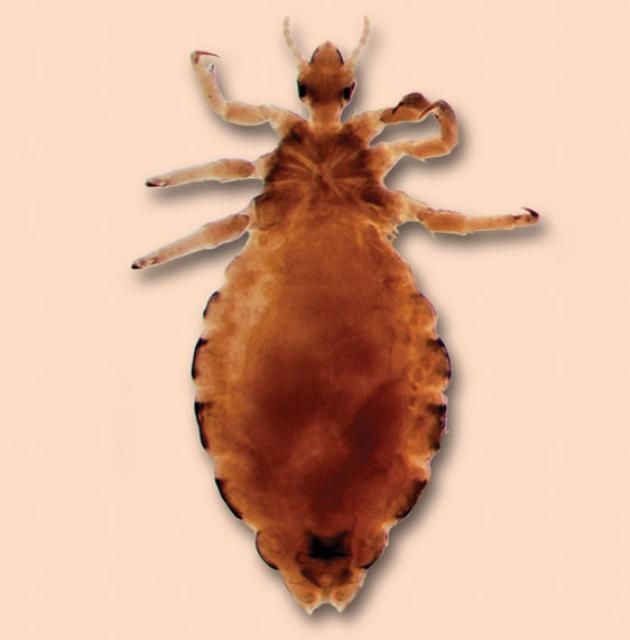
Lice, true insects with three pairs of legs, cling to hair using clawlike legs as they lack wings or powerful jumping abilities. While head lice primarily reside on the scalp, they can move to other body parts. They feed every four to six hours and require close contact with a host. Lice cannot survive off humans for more than 24 hours, so they do not thrive in items like rugs, carpets, furniture, or school buses.
Lice eggs, or nits, are oval, tan, and about 0.5-1.0 mm long. Usually, the female louse glues them near the scalp's base, often behind the ears or along the nape of the neck. Eggs hatch in 7-10 days, and the newly hatched lice must feed quickly. Immature lice undergo three molts and feed on blood before becoming sexually mature adults. It takes around 10-12 days for a newly hatched louse to reach adulthood, measuring about 1.8-3.3 mm in length.
A female louse has the capacity to lay six to seven eggs (nits) daily, amounting to a potential total of 140 eggs during her lifespan. Without a blood meal, adults cannot survive for more than approximately 24 hours. Both nymphs and adults possess piercing-sucking mouthparts that penetrate the skin to extract blood.
Individuals' reactions to louse bites can vary significantly. Those who have not been previously exposed to lice typically experience minimal irritation from the initial bite. However, over a short period, ranging from a few days to a few weeks, individuals may develop sensitization to the bites, resulting in a general allergic reaction characterized by skin reddening, itching, and inflammation. In subsequent infestations, itching and redness usually manifest within 24 to 48 hours. It's important to note that some individuals may never exhibit any symptoms.
PREVENTION OF HEAD LICE
To prevent lice, it is important to teach children not to share personal items like combs, hats, and belongings. Daily washing and changing of clothes can also help. However, it is crucial not to associate head lice solely with uncleanliness, as they can easily transfer from one person to another. Sharing equipment like batting helmets or headphones can also lead to lice infestations. Regular inspections aid in early detection, which is easier to control than advanced infestations with numerous mature lice and numerous nits. During the early fall months (August to November), it is advisable to inspect children weekly, as lice transmission is more common during the "back-to-school" period. By December and January, infestations tend to be widespread. September is recognized as National Head Lice Prevention Month. (University of Florida Entomology Dept)
Or visit us at https://www.insectiq.com/contact-us
Insect IQ / Nutrilawn Pest Services 27 years
- DACS JB131270 Pest Control License Insect IQ
- DACS JF8248 1994 Certified Pest Control Operator
- DACS Certified Categories:
- Pest Control
- Lawn & Ornamental
- Termite
- Fumigation
- State of Florida Registered Beekeeper: FL0290619S
- 1994 UF Entomologist Jonathan Simkins
- 2020 UF Entomologist Britton Simkins