My lawn is brown and dry! WE CAN HELP!
From the field, Operations Manager David Ketchum
Thriving Lawns in Florida's Drought"
Florida homeowners have the power to maintain lush and healthy lawns, even amidst drought or water shortage situations, irrespective of the water management districts (WMDs) imposing mandatory water restrictions. Surprisingly, the majority of turf damage arises from excessive watering, while watering restrictions generally offer ample irrigation for most types of lawngrass. Join me, David Ketchum, as I share practical maintenance practices that can effectively guide you in ensuring your lawn's resilience during periods of drought.
David Ketchum's Advice: Optimal Mowing Height for Drought Resilience
In light of water scarcity during drought or water shortage periods, David Ketchum recommends adopting the "Mow High" approach. It's a known fact that grass growth slows down when water availability decreases. Consequently, you will find yourself mowing less frequently. However, when you do mow, always adhere to the highest recommended height for your specific grass species. Remember, it is crucial never to remove more than one-third of the leaf blade in a single mowing session, as this would further stress the already drought-affected grass. By mowing at a higher height, you encourage deeper rooting, which plays a vital role in enhancing drought tolerance.
David Ketchum's Recommendation: Optimal Watering Practices
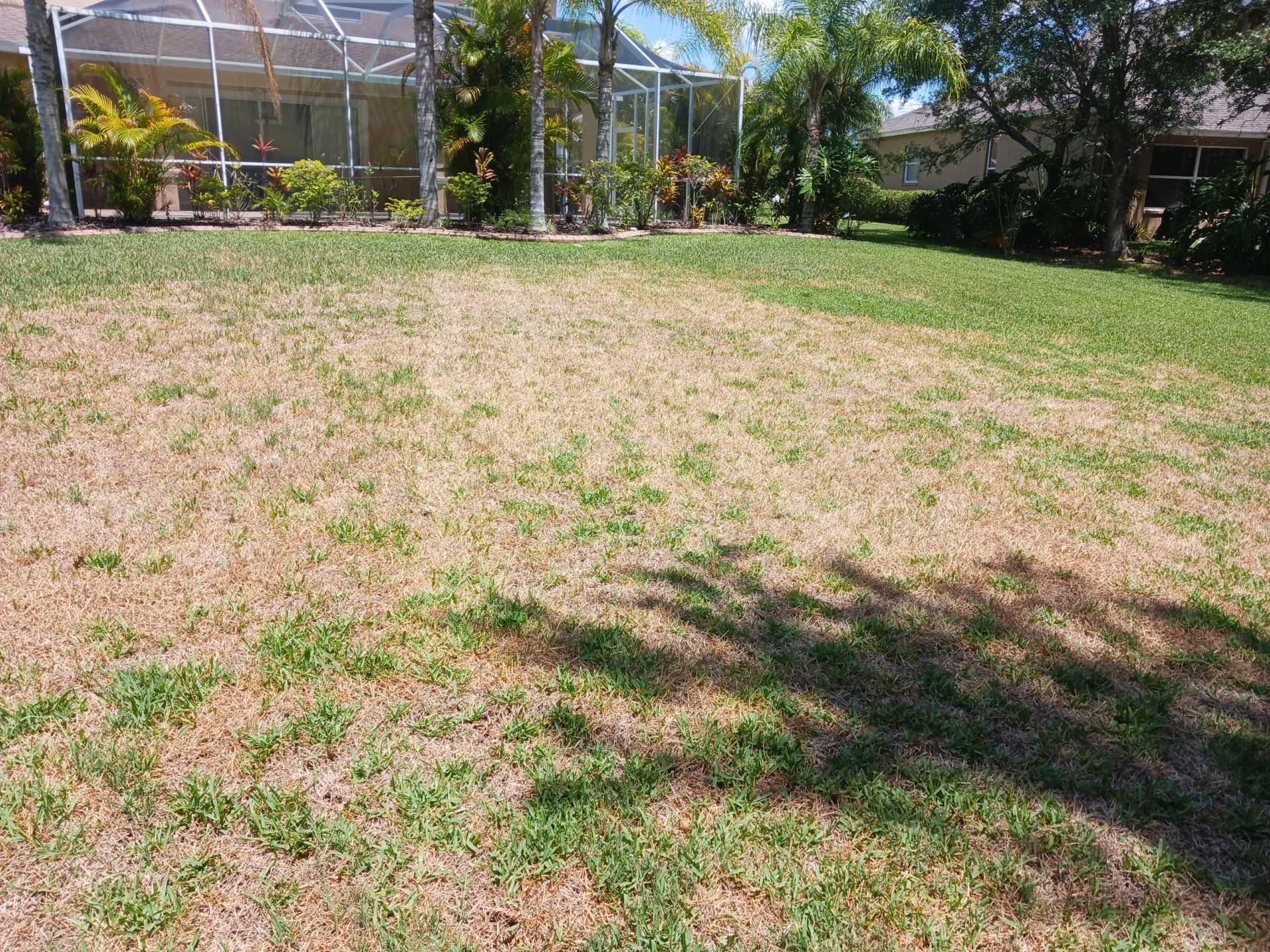
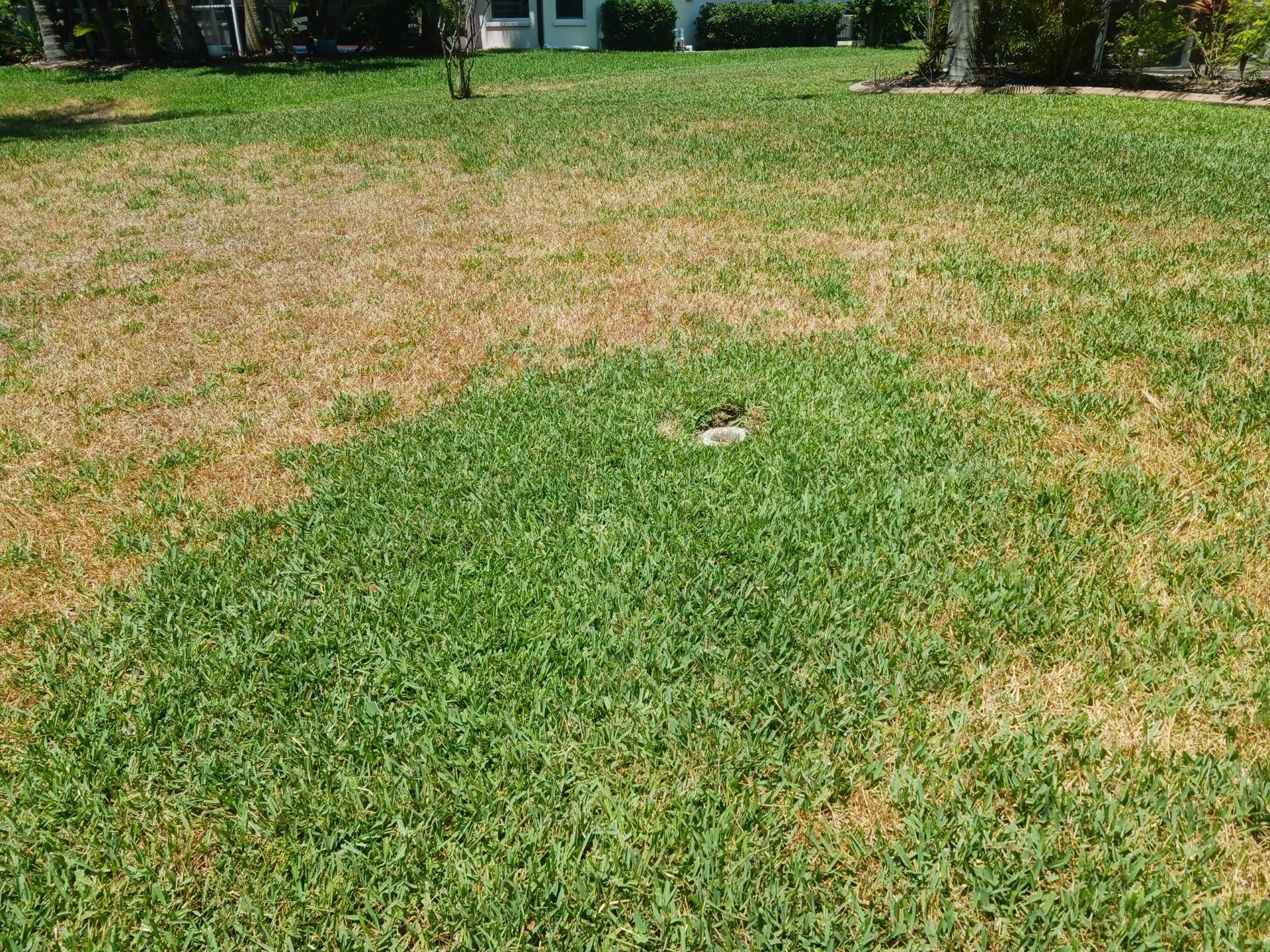
When it comes to watering your lawn, David Ketchum advises following the right watering practices. In many instances, lawns can withstand prolonged droughts with just one to two days of irrigation per week, as long as 1/2 to 3/4 inches of water is applied each time. However, it is crucial to water only when you observe signs of turf wilt, such as folded leaf blades, a blue-gray tint on the grass, and visible footprints or tire tracks that remain long after being made.
It's important to never overwater to the point of runoff. Runoff occurs when the roots are unable to absorb the excess water, causing it to flow into storm drains, streams, lakes, groundwater, and potentially contaminating them with lawn chemicals, pollutants, and wasting water.
For rotary sprinklers and impact sprinklers, irrigation run times should rarely exceed 60 minutes, while for spray heads, it should be limited to 20 minutes. If your irrigation system surpasses these recommended times, ensure that it is not applying more than 3/4 inches of water in a single watering session. By adhering to these guidelines, you can ensure efficient water usage while promoting the health of your lawn.

David Ketchum's Recommendation: Optimal Watering Time - Early Morning
To ensure efficient watering practices, David Ketchum advises irrigating your lawn early in the morning, preferably between 4 a.m. and 8 a.m. during the cooler hours of the day. This timing allows the grass blades to dry off quickly as the sun rises. It's important to avoid watering late in the day or at night, as extended periods of wetness can lead to turf diseases.
Watering between 10 a.m. and 4 p.m. is not recommended as it can result in water wastage. During these hours, the water is more likely to evaporate before it can penetrate the soil and be absorbed by the roots, rendering the irrigation ineffective.
By following this guidance and watering during the early morning, you can optimize water usage, promote healthy turf, and minimize the risk of turf diseases.
Experience Matters! Our professional lawn service technicians are trained and skilled in the art of bringing new life to your lawn. Our family-owned business (2 University of Florida Entomologists on staff, "Father & Son") was established in 1996 and throughout the past 25 years, with the help of our Operations Manager David Ketchum (26 years’ experience), we have devised various fool-proof lawn & shrub care options that will have your neighbors talking.
ARE YOU READY FOR THE LAWN OF YOUR LIFE?!
Lawn Care Programs
Tree/Shrub Programs
Insect IQ / Nutrilawn IQ has always been willing to identify turf or shrub damage free of charge. For more information contact us today, 855-930-2847, and ask about our lawn & shrub pest management services. Mention our post and get $25 off your first lawn and shrub service.