
FROST DAMAGE! CHINCH BUGS! WHAT SHOULD I DO?
FROST DAMAGE! CHINCH BUGS!
What Should I do?
Insect IQ/Nutrilawn specializes in lawn and shrub health. CALL TODAY!
From the Field, David Ketchum, Operations Manager Nutrilawn / Insect IQ
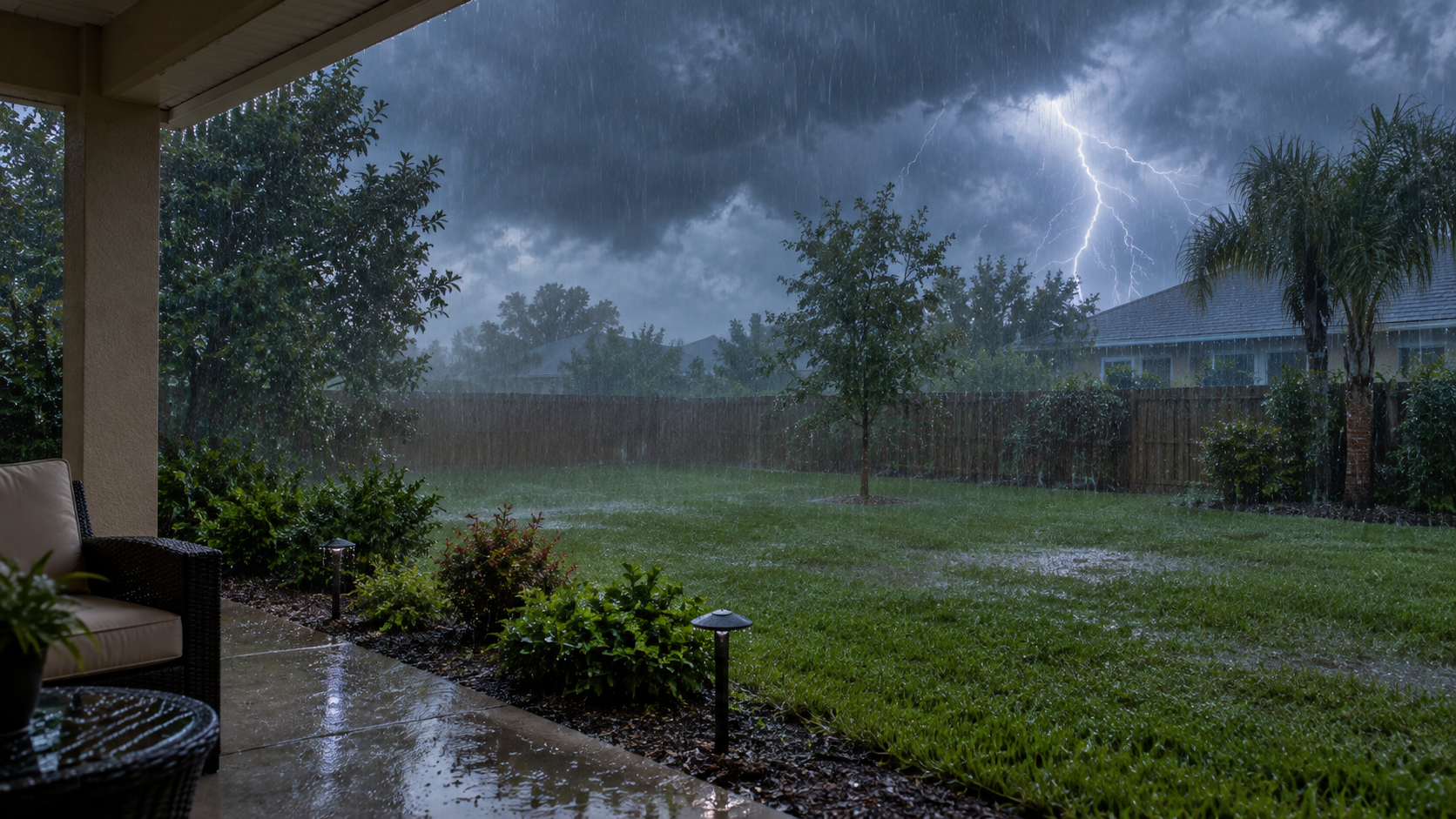
It is the first week of April and we have had an incredible crazy last 6 months of weather. With the onset of dry, hotter weather that is approaching, we are now starting to see some chinch bug activity. The reason for the new sightings is because of the frost damage to our lawns we encountered last month.
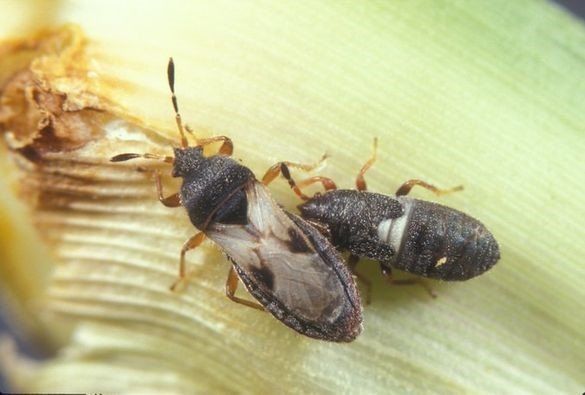
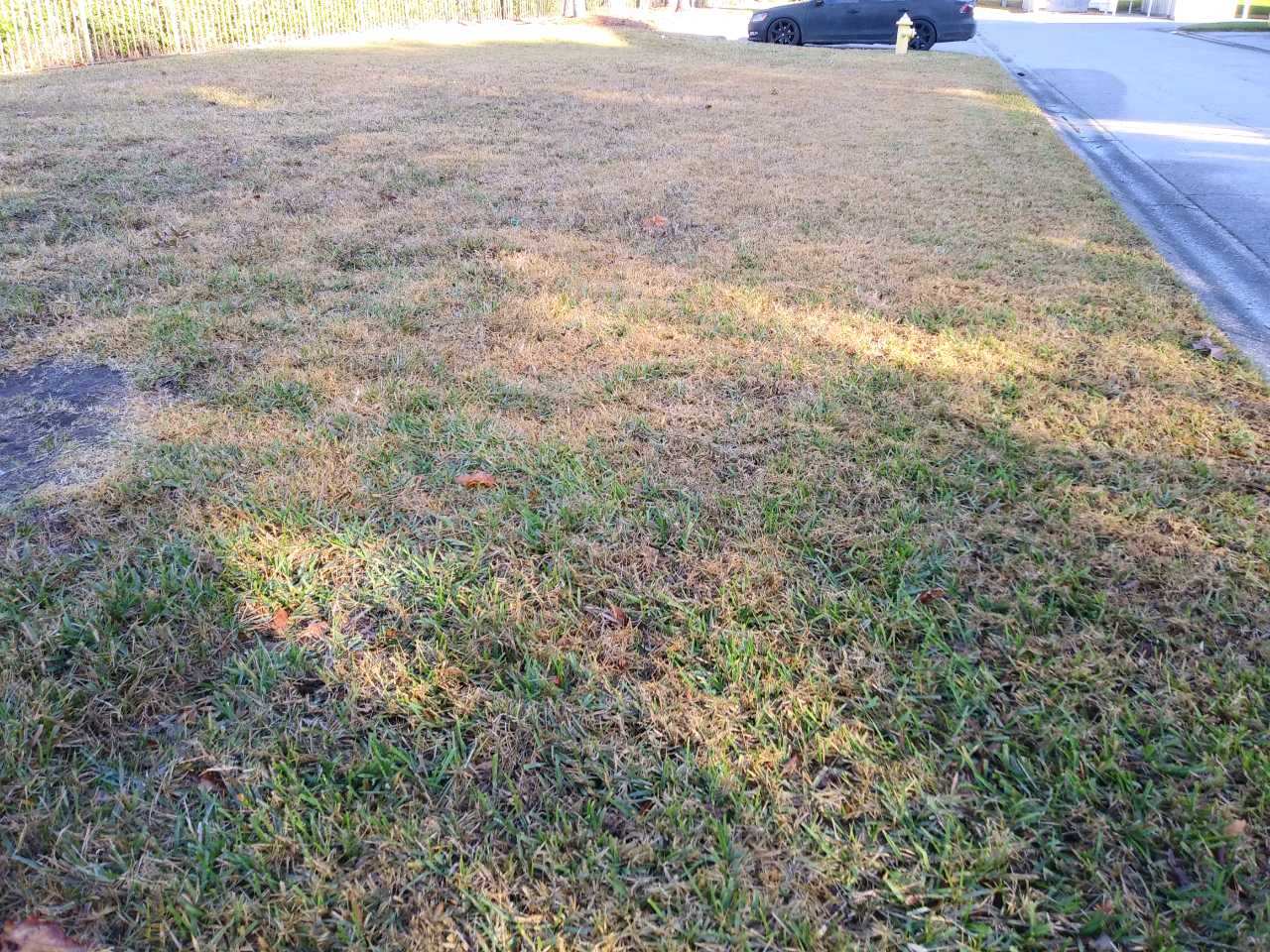
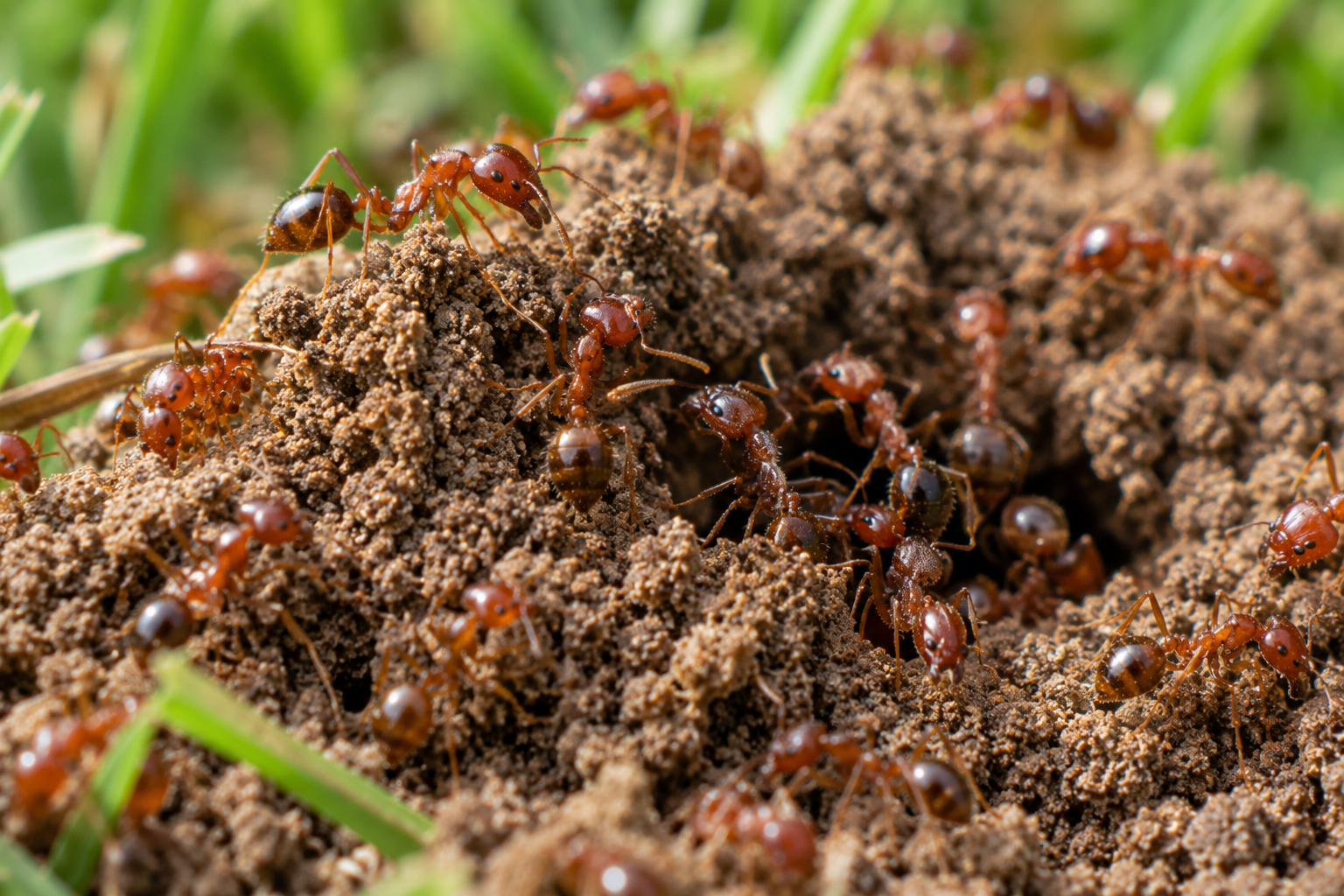
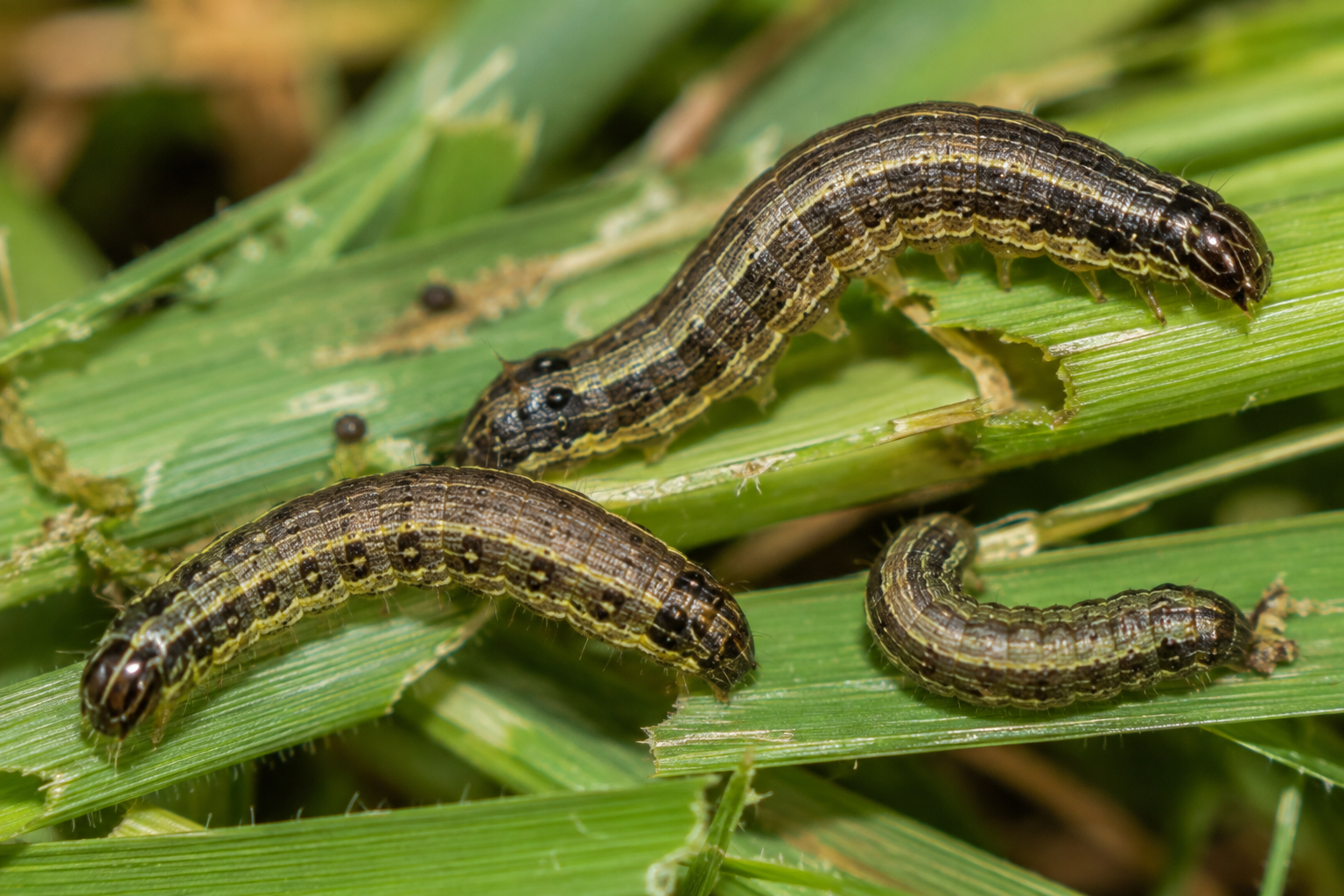
Chinch bugs generally feed in the hot sunny parts your lawn, typically near the concrete where they like the hottest and driest part. The “CHINCH BUG” can fly and has a piercing sucking mouth part, which stabs the grass blade, and the bug sucks the plants juices, causing damage to the St. Augustine lawn (see picture). Let me personally come out and inspect your lawn, if you're questioning whether you have chinch bug damage or drought stress, I will be able to explain everything to you to better you’re understanding.
Here are a couple key points:
- Your sprinkler should be on at least twice per week.
- The best time to water your lawn should preferably in the morning. 5 to 6am
- St. Augustine lawns needs at least ¾ to 1 inch of water, which equates to 45-60 minutes per zone.
Experience Matters! Our professional lawn service technicians are trained and skilled in the art of bringing new life to your lawn. Our family-owned business (2 University of Florida Entomologists on staff, "Father & Son") was established in 1996 and throughout the past 25 years, with the help of our Operations Manager David Ketchum (26 years’ experience), we have devised various fool-proof lawn & shrub care options that will have your neighbors talking.
ARE YOU READY FOR THE LAWN OF YOUR LIFE?!
Lawn Care Programs
Tree/Shrub Programs
Insect IQ / Nutrilawn IQ has always been willing to identify turf or shrub damage free of charge. For more information contact us today, 855-930-2847, and ask about our lawn & shrub pest management services. Mention our post and get $25 off your first lawn and shrub service. Contact us
Keep it green Tampa Bay, “Ketchum Green”
David Ketchum
Operations Manager Nutrilawn