
Is Your Florida Lawn Getting Brown And Patchy? Try This.
Is Your Florida Lawn Getting Brown And Patchy? Try This.
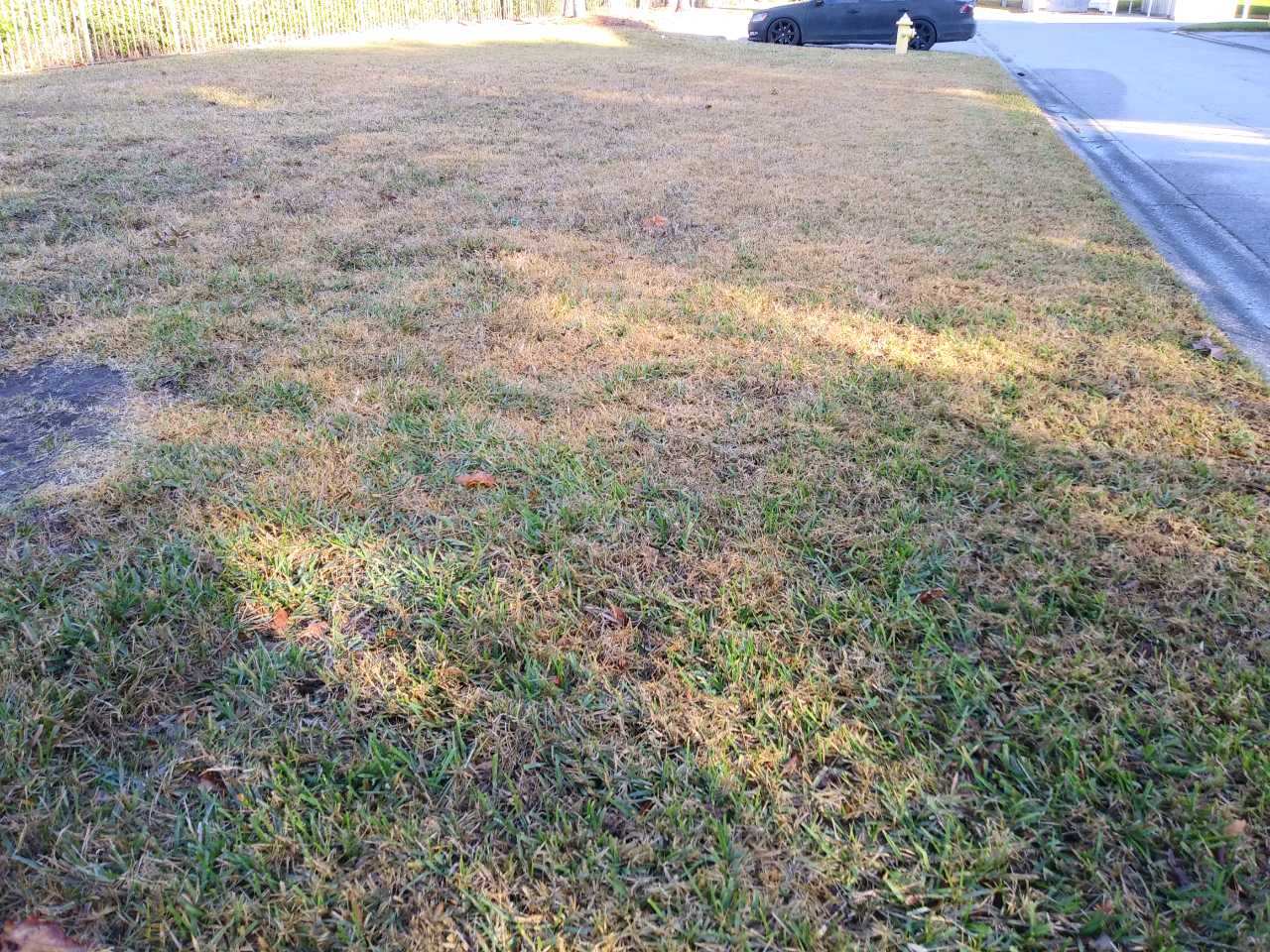
If you live in Florida, you're probably aware that lawns are a little trickier here than they are in other parts of the country. They need more water, and the soil has particular requirements. If you've been having trouble with your lawn looking brown and patchy, here are some things to consider:

How much water does your lawn need?
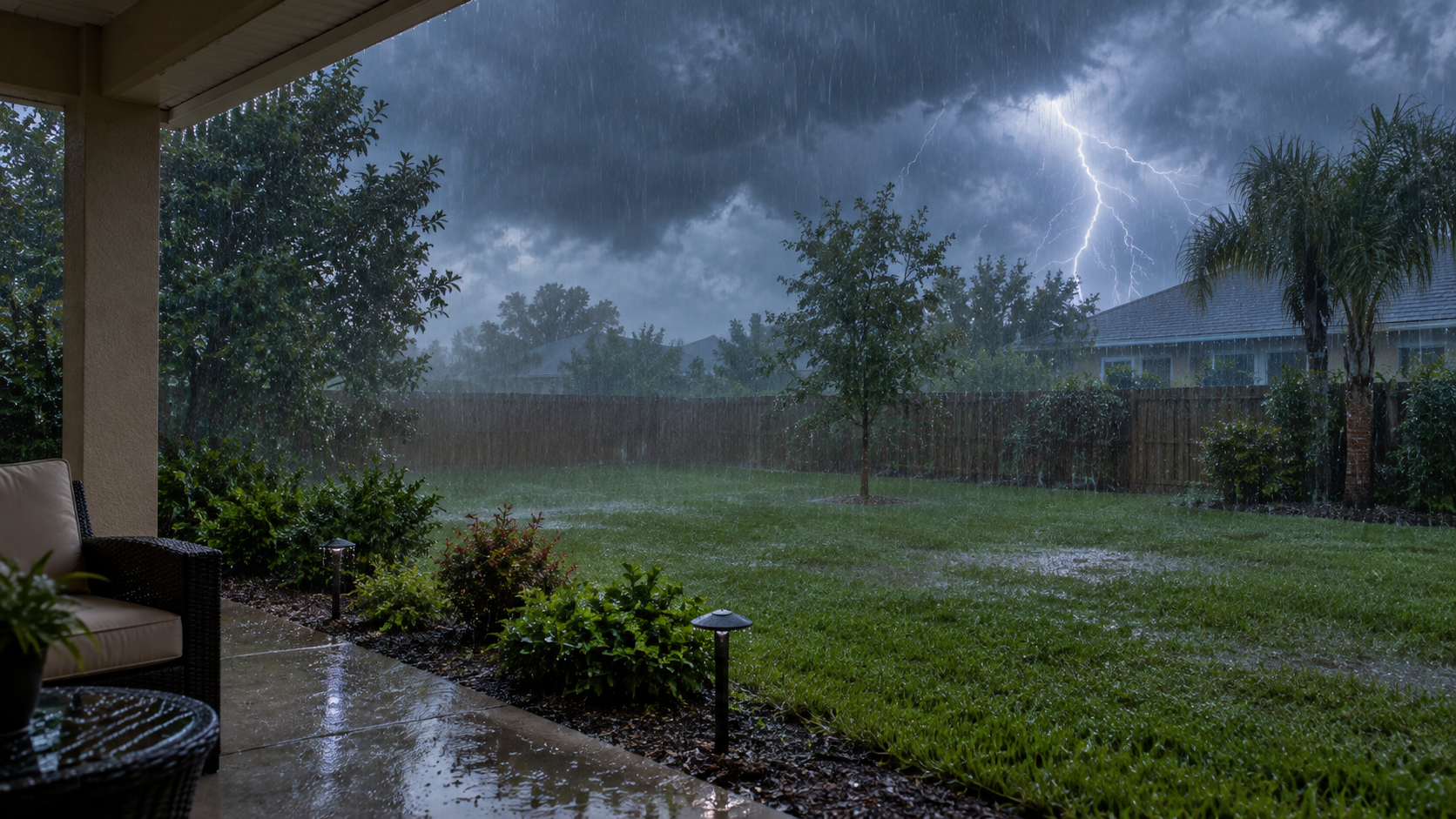
First of all, make sure your lawn is getting enough water. During the hot season (April through October), it needs about an inch a week. The best time to water the lawn is in the morning before Daybreak. You can run your sprinklers for at least 45 to 60 minutes per Zone.
The best way to assure you are getting an inch a week is to get a rain gauge or even a coffee can. Place the gauge in on your brown spots and measure the water while running your sprinklers. You may find that you need new sprinkler heads, or need to adjust your spray radius/angels. Grass affected by prolonged drought areas can show up usually has brown indicators.
Another way to test the brown patchy spots on your Florida lawn a finger test. Press your finger down about 1 to 2 inches and determine if the soil is dry. Saint Augustine grass does require at least one inch of water per week to survive during hot Florida summers.
Can fungus brown my grass?
Second, check to see if any fungus or disease is growing on your grass—it's common for Florida lawns to have a fungus problem at some point. If you notice discoloration or patches of grass dying off, take a sample to your local professional. Nutrilawn is also available for a free lawn evaluation. Our professionals will be able to tell you what's going on and advise on treatment options.
Can fertilization help or hurt my Florida lawn?
Finally, a common cause of discoloration is fertilizer—or more precisely, fertilizer that's poorly applied. If you're using too much fertilizer at once, or if it gets onto sidewalks and other hardscapes, it can cause patchy brown areas on your lawn. Always use fertilizer as directed by the packaging. Also, make sure it is suitable for your lawn. We had a client, more specifically a Northerner, who brought "fertilizer" from the north. It was the wrong type of fertilizer and caused some pretty hefty damage to his Saint Augustine grass. The HOA was not happy with the results.
What bugs could be destroying my lawn?
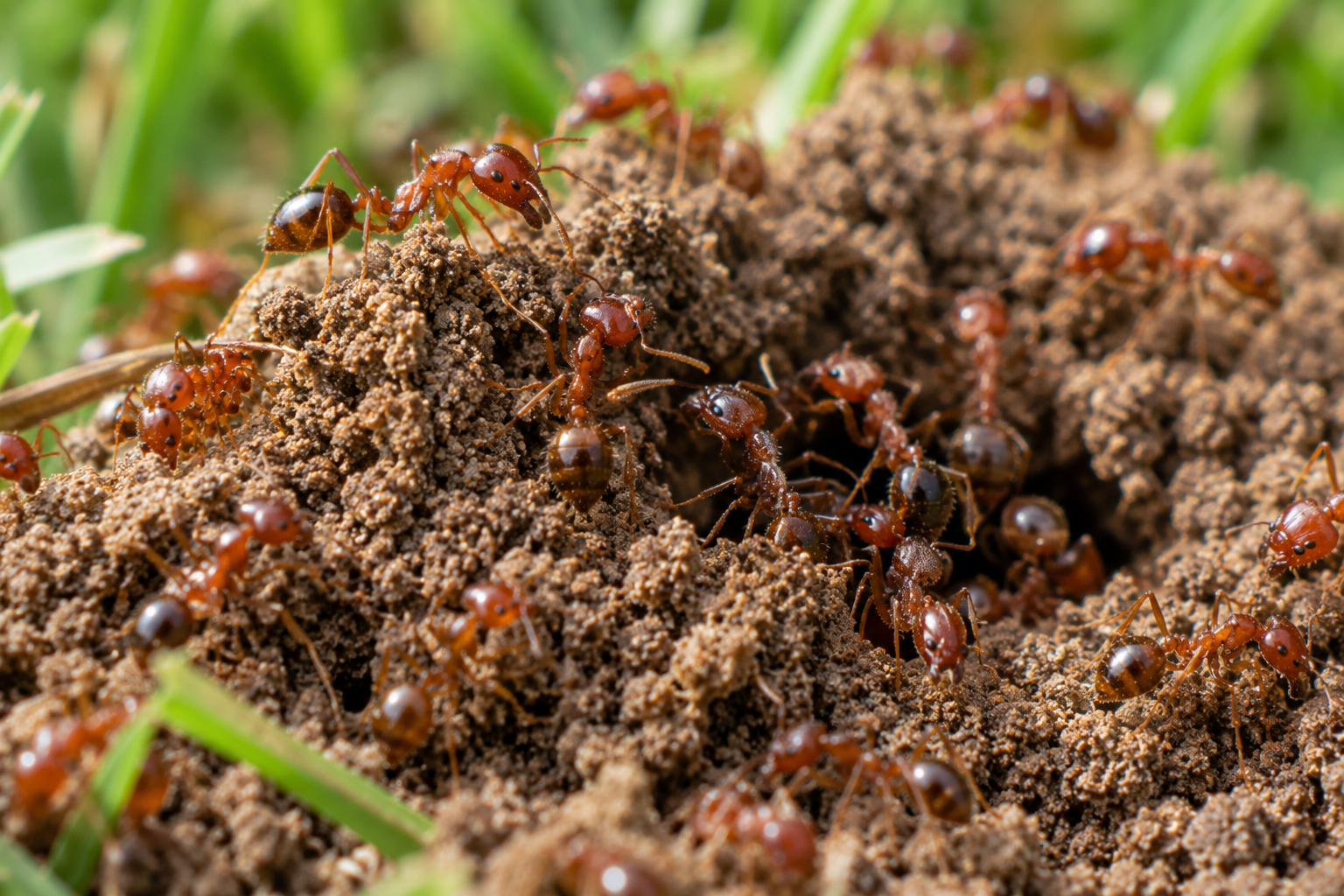
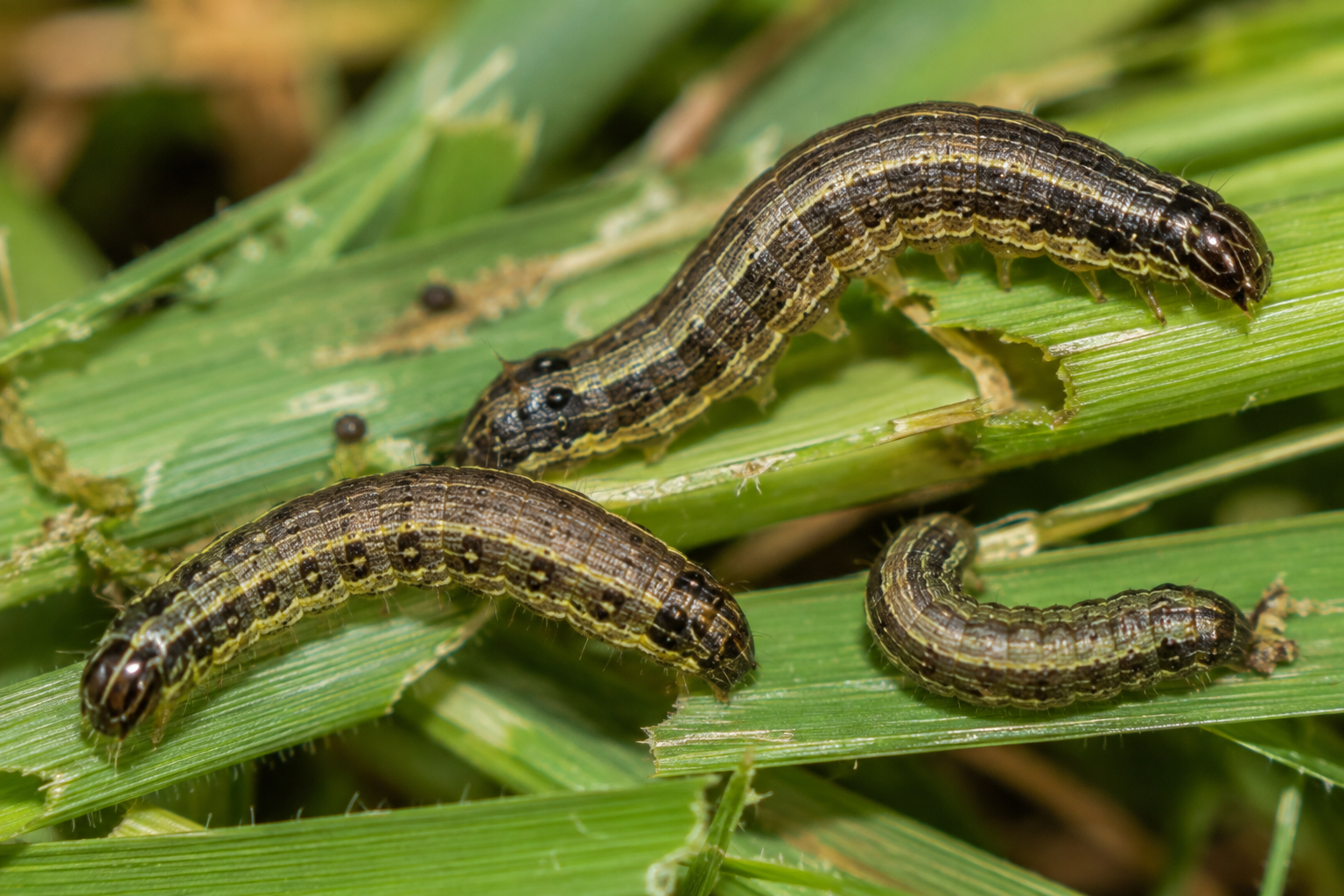
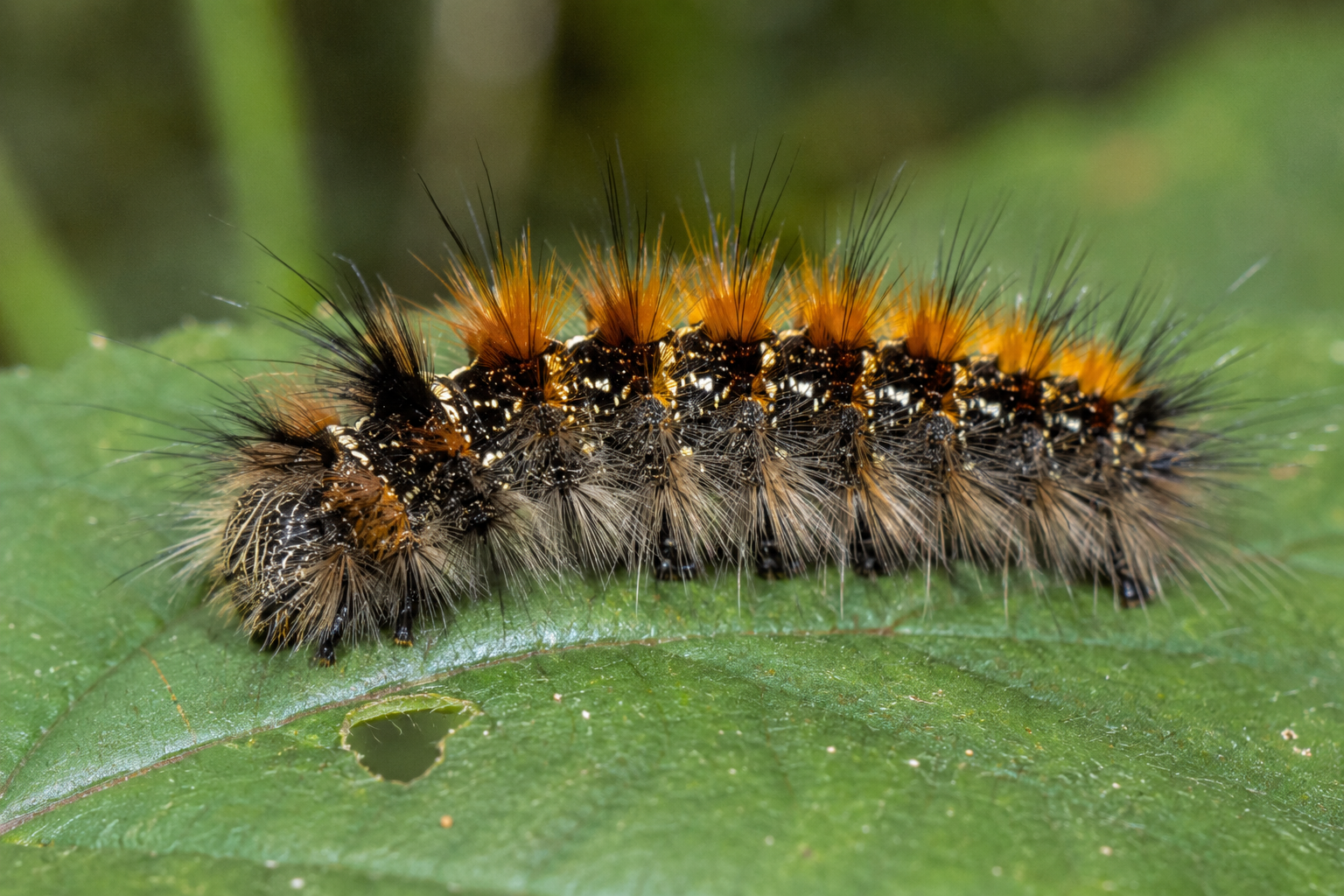
In Florida, there are lots and lots of pests who love to feast on your grass and shrubs. The most popular of the pests found in Florida lawns, the top 5 most frequent lawn pests include caterpillars, whitefly, mole crickets, fire ants, and chinch bugs. Each of these pests requires different strategies for elimination and control.
Next steps
Unfortunately, it can be difficult to determine the root cause of brown patches throughout your lawn. Water, pest control, fungus, and fertilizer are just a few of the things that can affect your lawn.
If you want a better diagnosis, contact Insect IQ / Nutrilawn today at 1 855 930 2847. We will give you a free evaluation and help you determine why your lawn is patchy.
Or visit
https://www.nutrilawnflorida.com/ for more information.