
DID YOUR LAWN TURN BROWN FROM THE FREEZE?
Insect IQ can solve your lawn problems!
From the field, Operations Manager David Ketchum
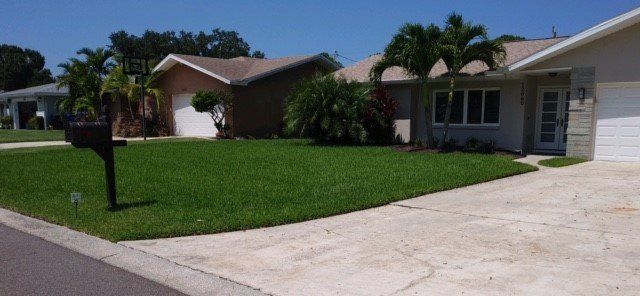
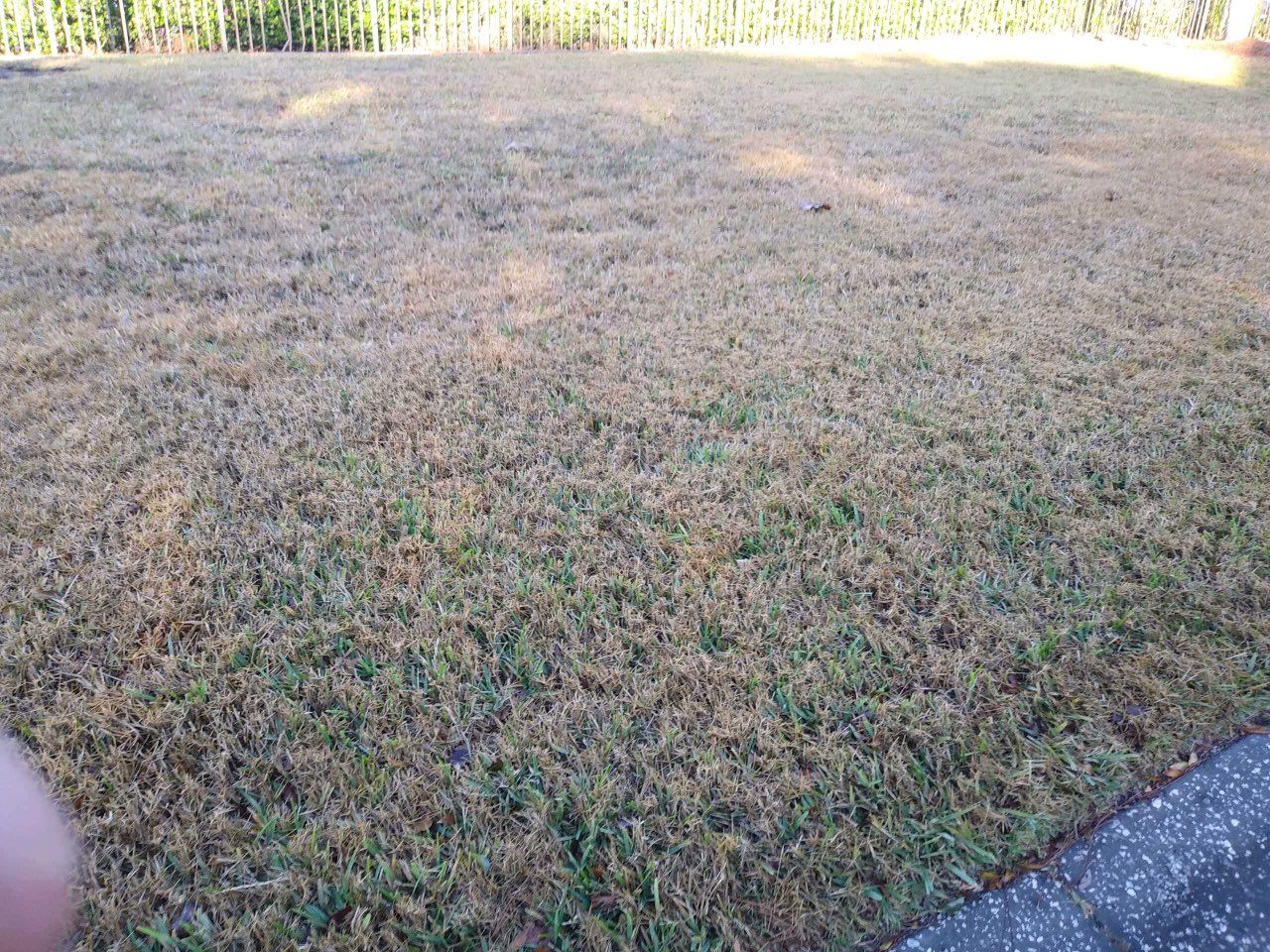
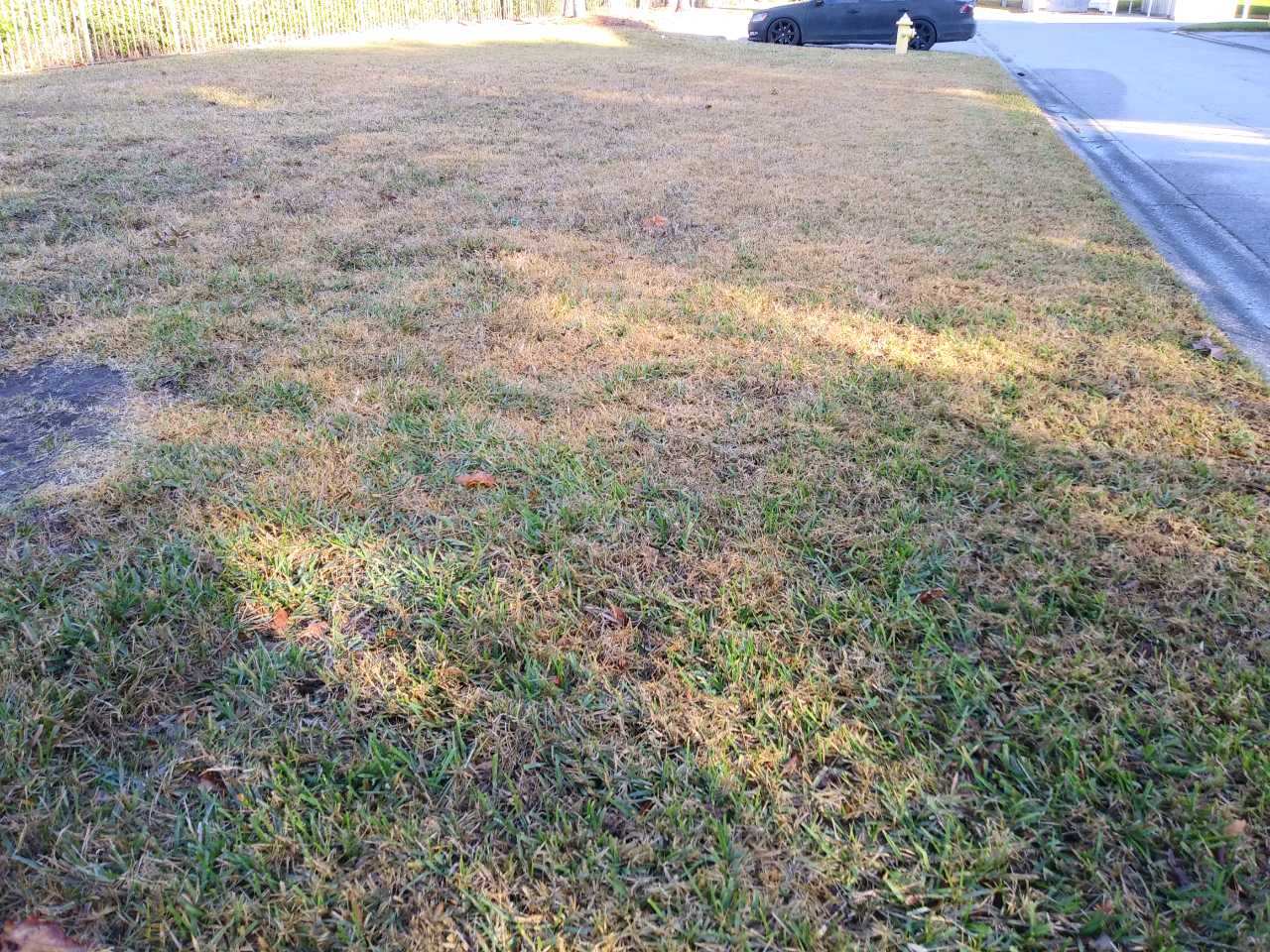
Has your gorgeous lawn suddenly browned after last week's freeze? Unfortunately, it is not realistic to cover your lawn as you would your other greenery when our night temperatures drop below 33 degrees. In the months of December and January, Insect IQ / NutriLawn prepared your lawn for such a freeze by applying a product called Potash.
Water or not to water?
Although the blades of your lawn have browned, your root system is strong, healthy and prepared to flourish with Spring. To best ensure this happens, DO NOT change your watering cycle! Once a week in the morning hours is best practice this time of the year.
The addition of POTASH, of the three major elements in the fertilizer nitrogen phosphorus and potassium the potassium is the element that strengthens the root system. As the root system in plants and lawns grow we apply potash in December and January, the specific reason when you get a frost or freeze the grass tends to go into shock. St Augustine is a tropical type plant which doesn't hold up well, when we get to temperatures 32 or below the potassium or potash help strengthen the root system and helps it recover quicker. Once we get into the spring and the soil temperature rise which is generally after the time change.
Experience Matters! Our professional lawn service technicians are trained and skilled in the art of bringing new life to your lawn. Our family-owned business (2 University of Florida Entomologists on staff, "Father & Son") was established in 1996 and throughout the past 25 years, with the help of our Operations Manager David Ketchum (26 years’ experience), we have devised various fool-proof lawn & shrub care options that will have your neighbors talking.
ARE YOU READY FOR THE LAWN OF YOUR LIFE?!
Lawn Care Programs
Tree/Shrub Programs
Insect IQ / Nutrilawn IQ has always been willing to identify turf or shrub damage free of charge. For more information contact us today, 855-930-2847, and ask about our lawn & shrub pest management services. Mention our post and get $25 off your first lawn and shrub service. Contact us