
The Aggressive Nature of Yellow Jackets And How To Mitigate Attacks

Jonathan Simkins

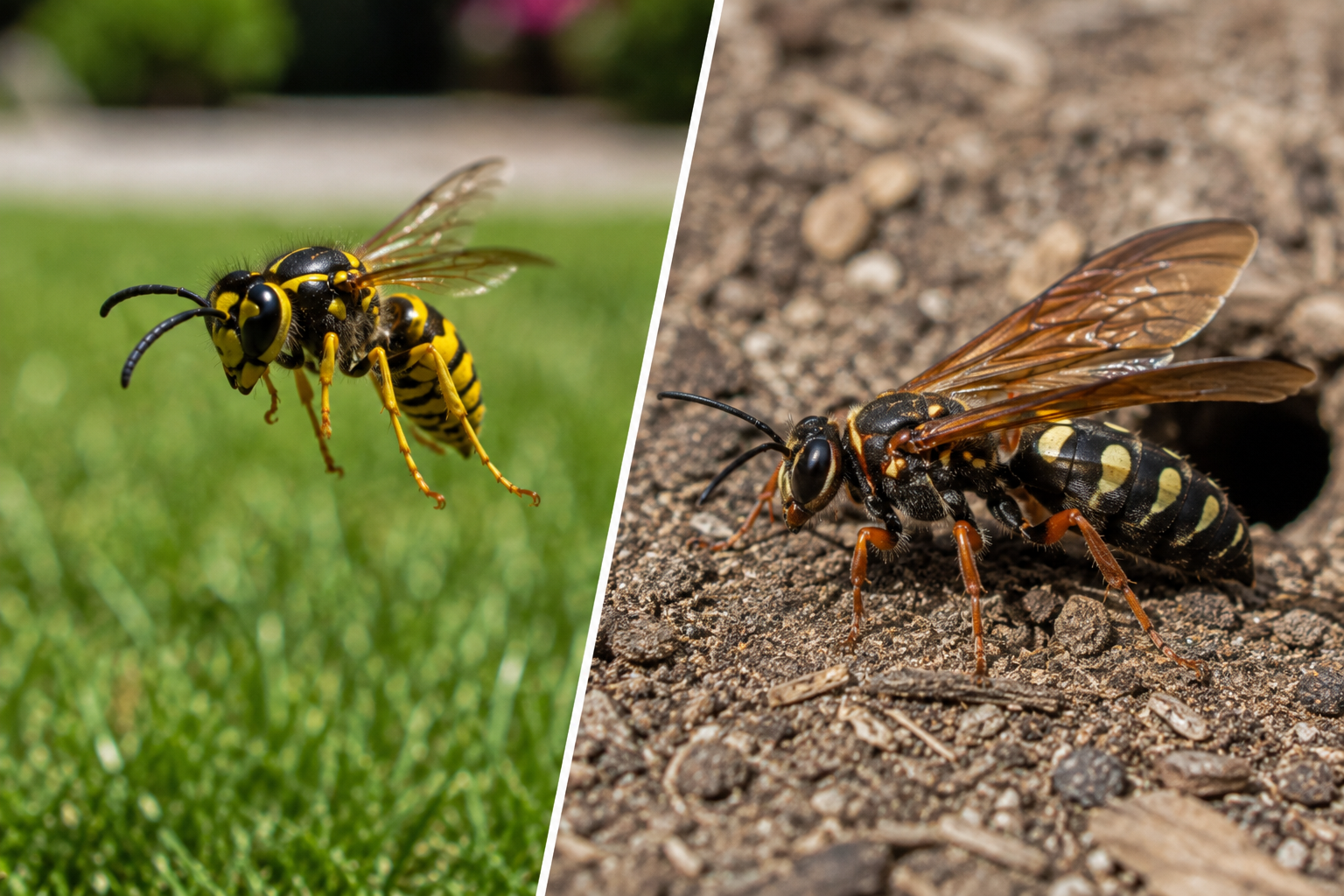
These wasps play a beneficial role in destroying many insects that attack our garden and garden plants. However, nests near homes may be a source of irritation. If the nests are large or difficult to approach, such as within the walls of a house, the safest method would be to hire a pest control service to eliminate the colony. Any attempt to remove or destroy nests by the layman should be done at night when nest activity is at a minimum.

It must be noted that no matter how inactive a nest might seem at night, any disturbance will result in instant activity by the colony. It is necessary to work cautiously but quickly. Protective clothing is recommended.

Yellowjackets are capable of stinging repeatedly and are especially provoked if there is a threat to the nest. Unlike a honeybee, which dies after it has stung a target once, yellowjackets can sting repeatedly. In fact, when a yellowjacket or hornet is injured it frequently releases an “alarm pheromone” which immediately causes aggressive, defensive behavior from other members of the colony.

To mitigate your chances of being stung or swarmed at your home, remove nests as soon as you notice wasps. Do not attempt to remove a nest yourself. The nest may be bigger than you realize and swarming can cause serious injury and even death when mishandled. 

If you need help with bees or any other pest problems, call Insect IQ (855) 930-2847.
By Jackson Simkins August 3, 2026
That fuzzy red "ant" in your yard isn't an ant — it's a wasp with one of the most painful stings in Florida. Learn what velvet ants are and what to do.
By Jackson Simkins July 31, 2026
Hear directly from our CEO as he shares his thoughts on becoming President of the Carrollwood Area Business Association (CABA) and his commitment to serving our local business community.
By Jackson Simkins July 27, 2026
Found small dark droppings in your home? In Florida it could be a lizard — or a rat. Here's the one feature that tells you exactly which one it is.
By Jackson Simkins July 21, 2026
Getting bitten but can't see what's biting you? It's probably a no-see-um. Learn what biting midges are and how to stop them in Tampa Bay.
By Jackson Simkins July 13, 2026
Think squirrels in your attic? Learn the warning signs, damage they cause, when they're most active in Florida, and how to keep them out of your home.
By Jackson Simkins July 10, 2026
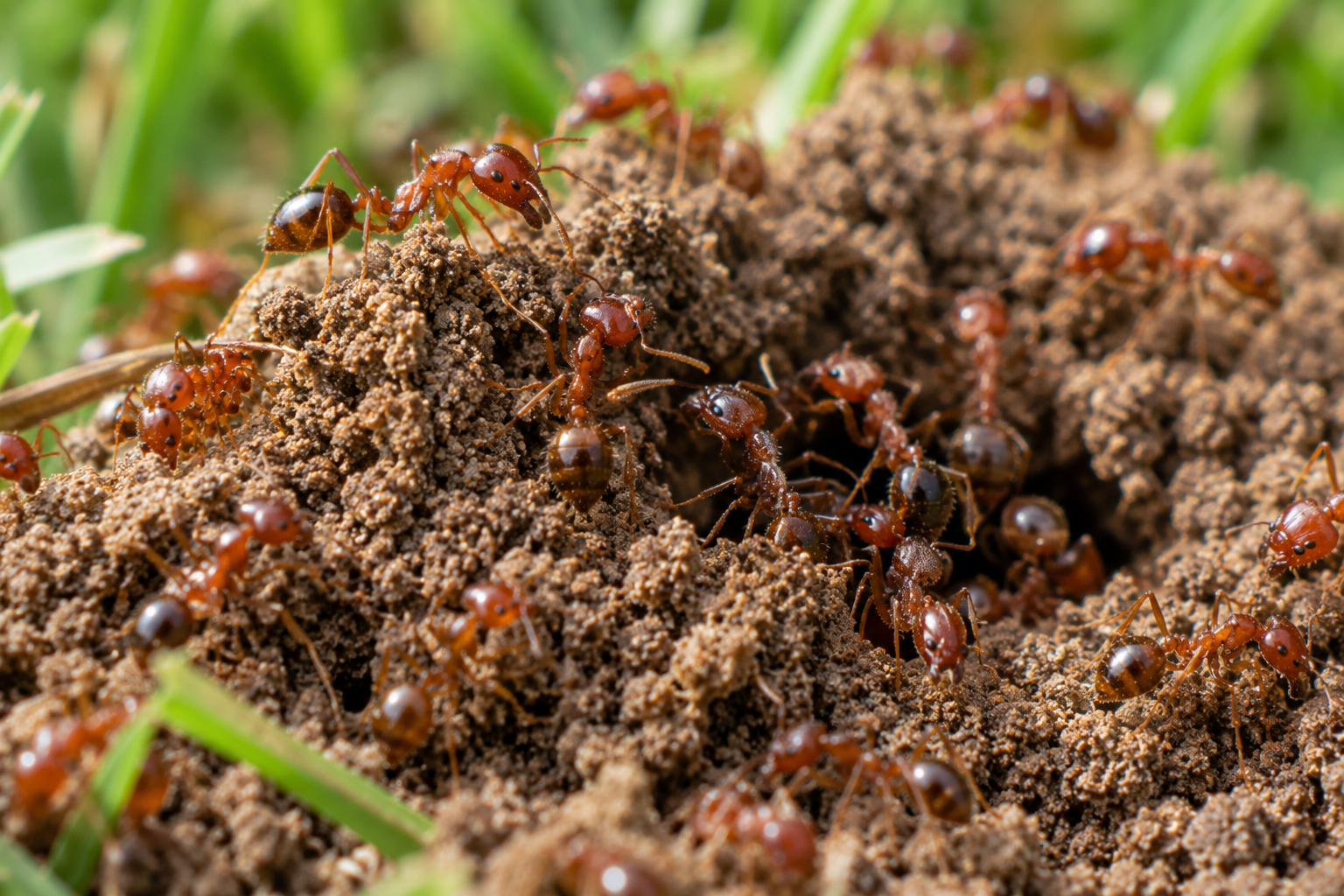
Fire ants are the most aggressive ant in Florida — and one wrong step can mean multiple stings at once. Learn how to spot, avoid, and eliminate them.
By Jackson Simkins July 8, 2026
Ants suddenly inside after a storm? It's not random — flooded nests drive them indoors fast. Learn why it happens and how to stop it.
By Jackson Simkins July 2, 2026
Poor yard drainage doesn't just flood your lawn — it invites mosquitoes, termites, and rodents in. Learn the warning signs and fixes for Tampa Bay homeowners.
By Jackson Simkins June 29, 2026
Seeing tiny ants with a few big-headed ones mixed in? Learn what big-headed ants are, why they spread so fast, and when to call InsectIQ for help.
By Jackson Simkins June 26, 2026
It's National Mosquito Control Awareness Week. Learn what diseases Florida mosquitoes can spread, how to stop breeding, and when to call InsectIQ.