
Sting Victim | See What Happens When Yellow Jackets And Bees Sting You

Jonathan Simkins

Nobody wants to be stung by a bee or yellow jacket, but we all get stung at one time or another. Backyard barbeques, soccer games, schoolyards, and well anything outdoors can lead to a sting.

Every wonder what is actually happening? 

Well, here are the ins and outs (pun intended) of the typical bee sting.

Bees have a barbed stinger that gets embedded into your skin and remains there until removed. The venom sac continues to pulsate after the bee has pulled away continuing to discharge more venom into your body. 500 stings can kill a typical person. For those with unfortunate allergies, one sting can be deadly.

If stung, remove the stinger by scraping it away. If you squeeze the stinger, it will pump more venom into your arm. Ice the arm immediately and take Benadryl. Always consult a doctor before taking over-the-counter medicine.

Yellow Jackets have a needle-like stinger and can sting you multiple times in multiple spots. 5 to 10 yellow jackets can leave 100s of stings all over your body. As the yellow jackets sting you they release an alarm pheromone signaling other yellow jackets to attack. If you find yourself getting stung, get to an enclosed area as quickly as possible. Don’t jump into a pool, the hive will continue to swarm and call reinforcements.

AND THE BEST WAY TO AVOID GETTING STUNG IS…

Prevention.

Remove nests as soon as you see them. Don’t let small nests become big nests. And make sure you have a professional pest prevention company treating your property regularly.

If you need help with bees or any other pest problems, call Insect IQ (855) 930-2847.
By Jackson Simkins June 19, 2026
Meet David Ketchum, InsectIQ/Nutrilawn's Lawn Supervisor and Certified Pest Operator with 30+ years of experience helping Tampa Bay homeowners enjoy healthier, greener lawns.
By Jackson Simkins June 15, 2026
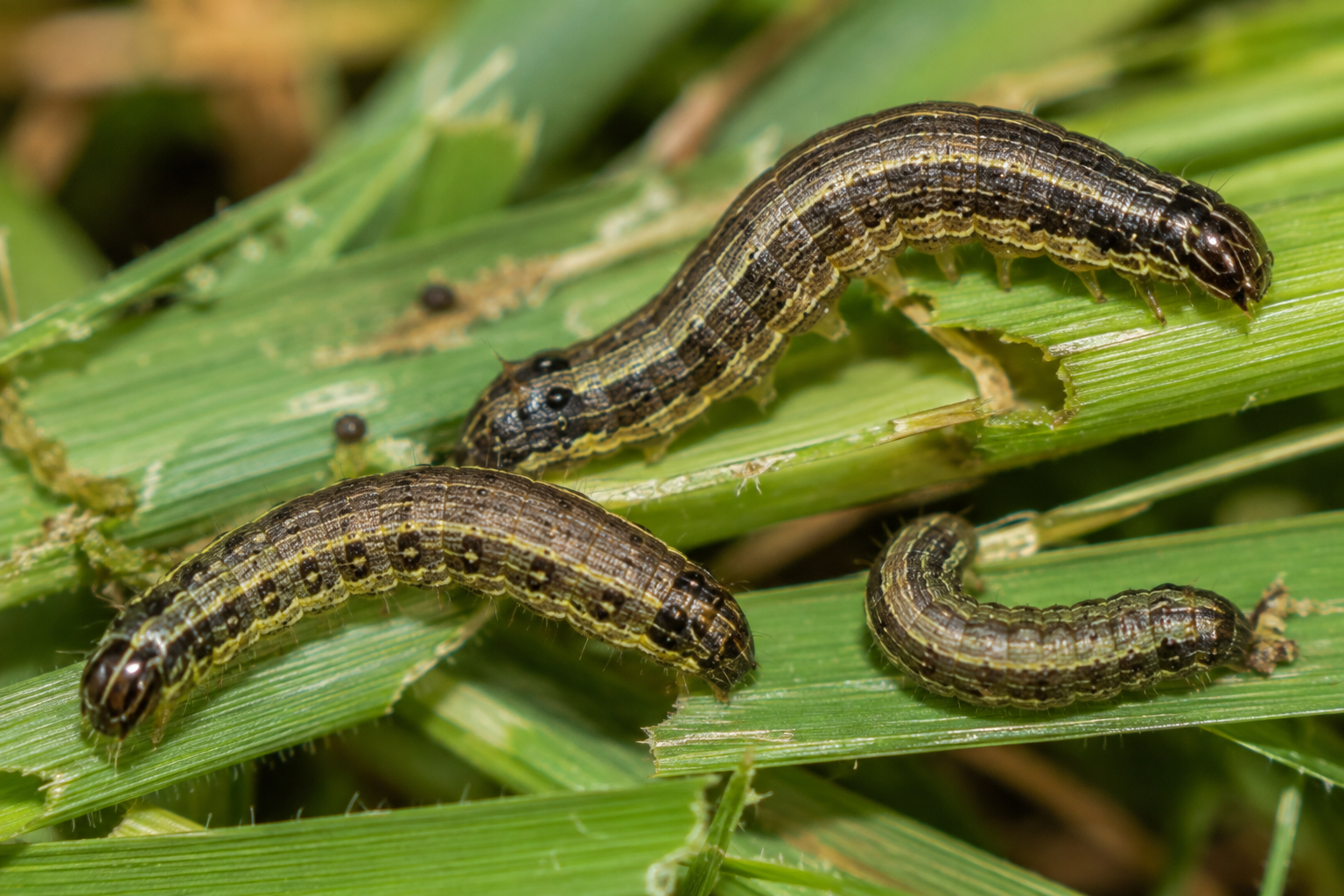
Sod webworms are tiny caterpillars chewing up St. Augustine and bermuda lawns across Tampa Bay. Learn the signs, how to test your lawn, and when to call a pro.
By Jackson Simkins June 12, 2026
Rats, roaches & drain flies inside? It may be a broken sewer line. Learn the signs of a plumbing breach and what pests it brings into Florida homes.
By Jackson Simkins June 8, 2026
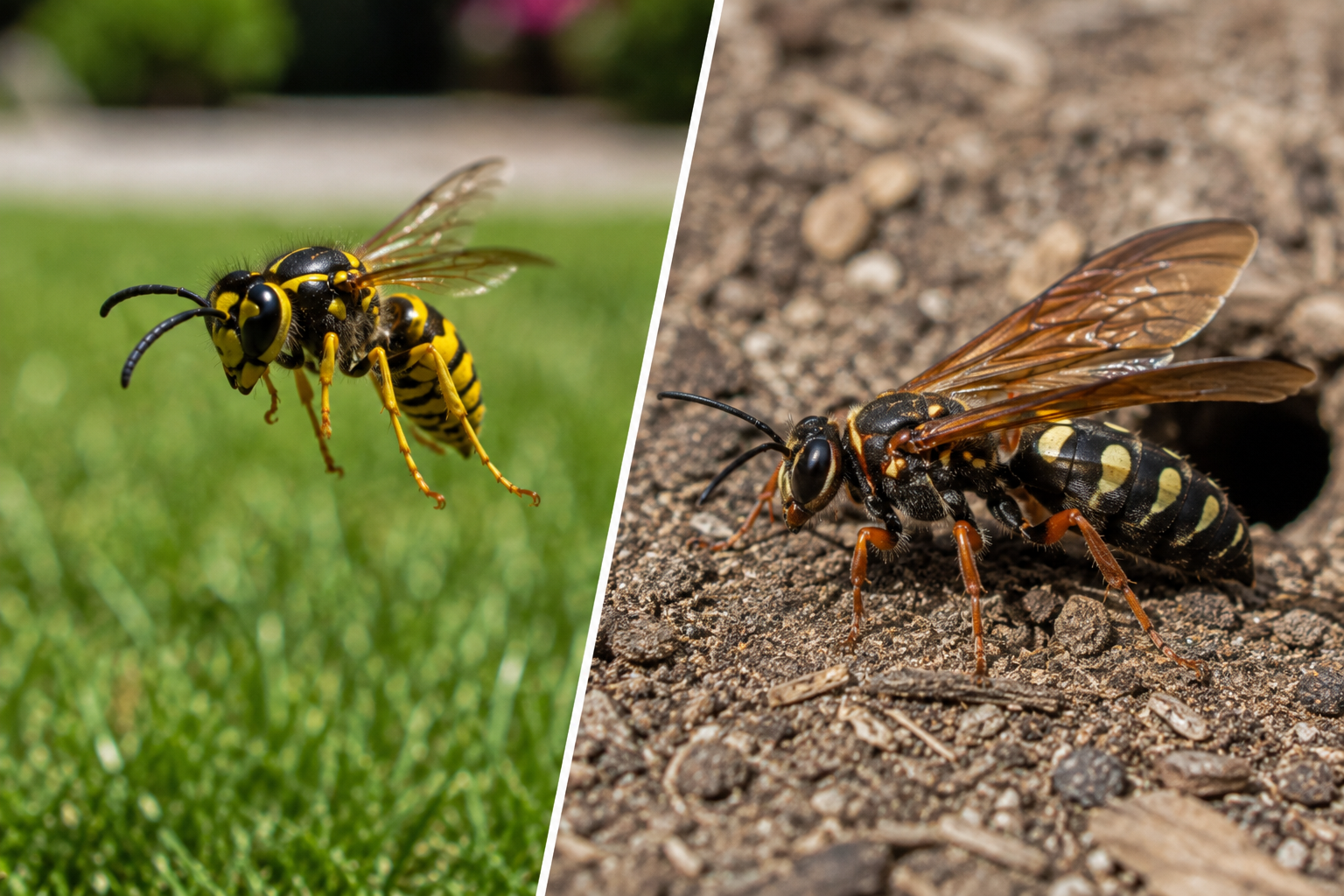
See holes in your yard with a wasp flying in and out? It's likely a digger wasp — and it's actually helping you. Learn what it is and what to do.
By Jackson Simkins June 5, 2026
Find moths in your pantry? Learn how to identify the Indian Meal Moth and Angoumois Grain Moth, spot the signs of an infestation, and protect your food.
By Jackson Simkins June 1, 2026
Learn about our Bug of the Week, the Mole Cricket!
By Jackson Simkins May 29, 2026
Got a flea service scheduled? Here's exactly what to do before our team arrives so your treatment works as well as possible.
By Jackson Simkins May 22, 2026
Raccoons, rats, armadillos, bats, and more! Learn about which wildlife shows up in Florida homes, the damage they cause, and what to do about it.
By Jackson Simkins May 18, 2026
Florida's 2026 termite swarm season is more active than usual. Learn the 3 types of swarming termites, how to spot them, and what to do.
By Jackson Simkins May 15, 2026
Not sure what flies are in your Florida home? Identify fruit flies, blow flies, phorid flies & more — and learn what their presence really means