
How do I identify scat? AKA POOP. Here’s the solution to your problem.
How do I identify scat? AKA POOP. Here’s the solution to your problem.
How do I identify scat? AKA POOP. Here’s the solution to your problem.
Insect IQ / Nutrilawn Identifying Your Scat Problems, Guaranteed!
Identifying feces, or scat, can be a slightly challenging task since feces may change depending on the animal’s diet. However, by asking the right questions you will eliminate many possible suspects.
CAUTION: Before you engage in scat-hunting, consider the hazards of doing it. Be safe. Droppings are dirty and have germs. Avoid handling droppings without proper protection and avoid breathing near the droppings if at all possible. If you have to touch droppings, use tools and/or gloves (and wear pants). Some diseases may be contracted through dust-borne particles.
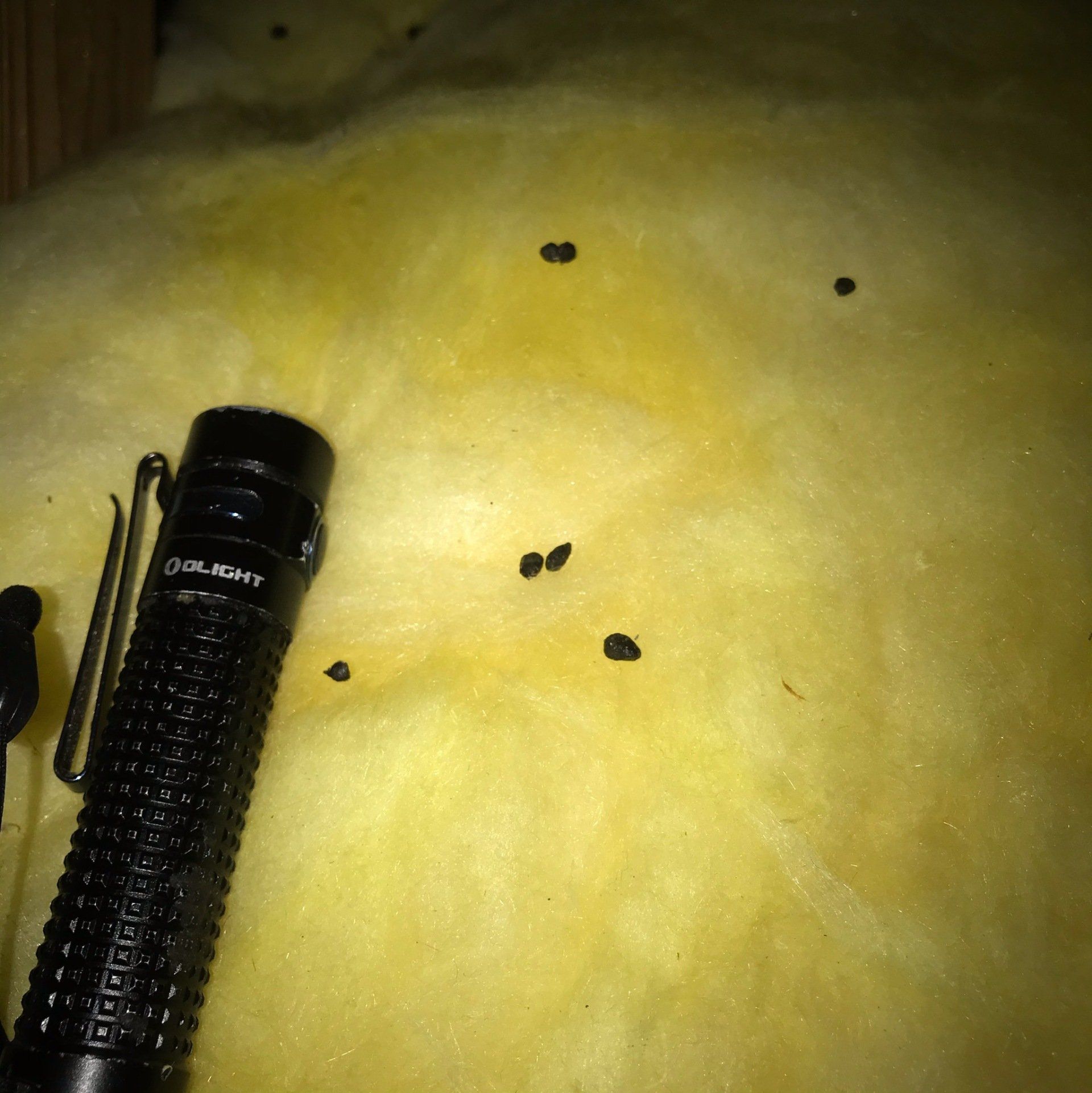
Although some animals are active during the day and highly visible, most wildlife is fairly secretive. In cases where observations of the animals themselves are challenging, you may be able to identify the culprit by the droppings it leaves behind. The size, shape, and color of wildlife droppings can provide important clues. Small feces pellets the size of rice grains could be from rats, mice, or bats. Rounded, pea-sized pellets with rough texture are likely from rabbits.
The color of your stool can indicate how long ago it was left behind: fresh feces are usually shiny and moist whereas mature feces are dry, dull, and grayish. Take photos of the droppings you find in your lawn and compare your photographs to known species of local wildlife below. To learn even more about identifying animal droppings you can check out Insect IQ's Wildlife Division at 855-930-2847 .
Insect IQ/ Nutrilawn has always been willing to identify animal droppings free of charge. For more information
Contact us, 855-930-2847, today and ask about our wildlife services. Mention our post and get $25 off your first service