
Giant Ground Wasps Maybe Feeding On Cicadas In Your Yard
Giant Ground Wasps Maybe Feeding On Cicadas In Your Yard
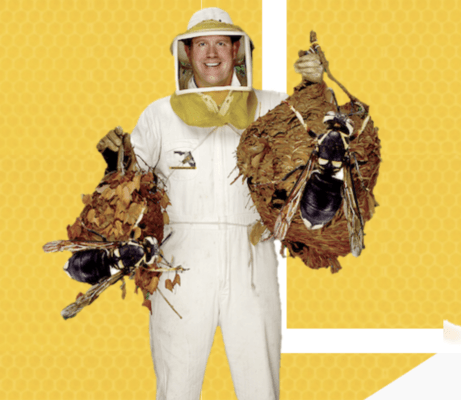
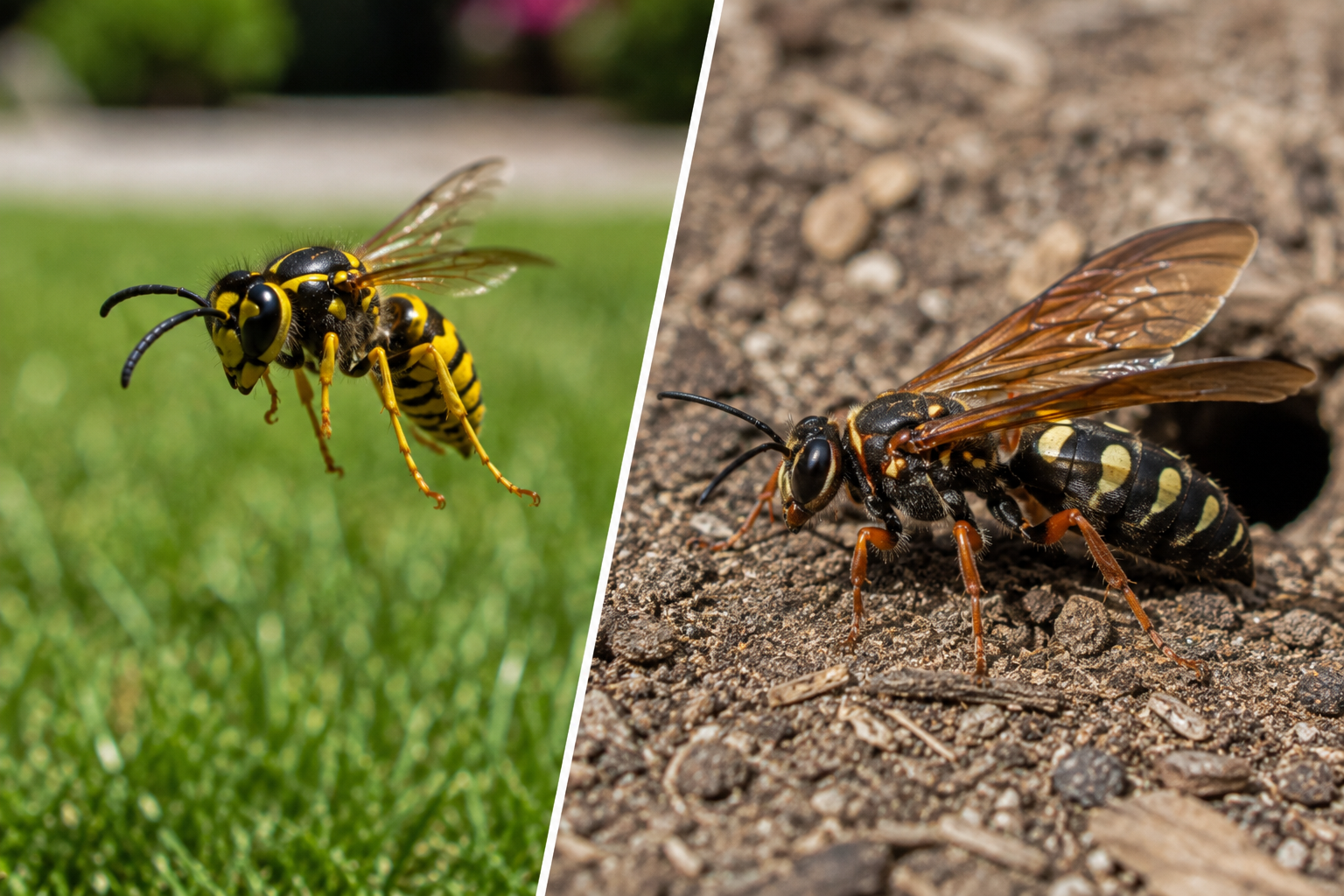
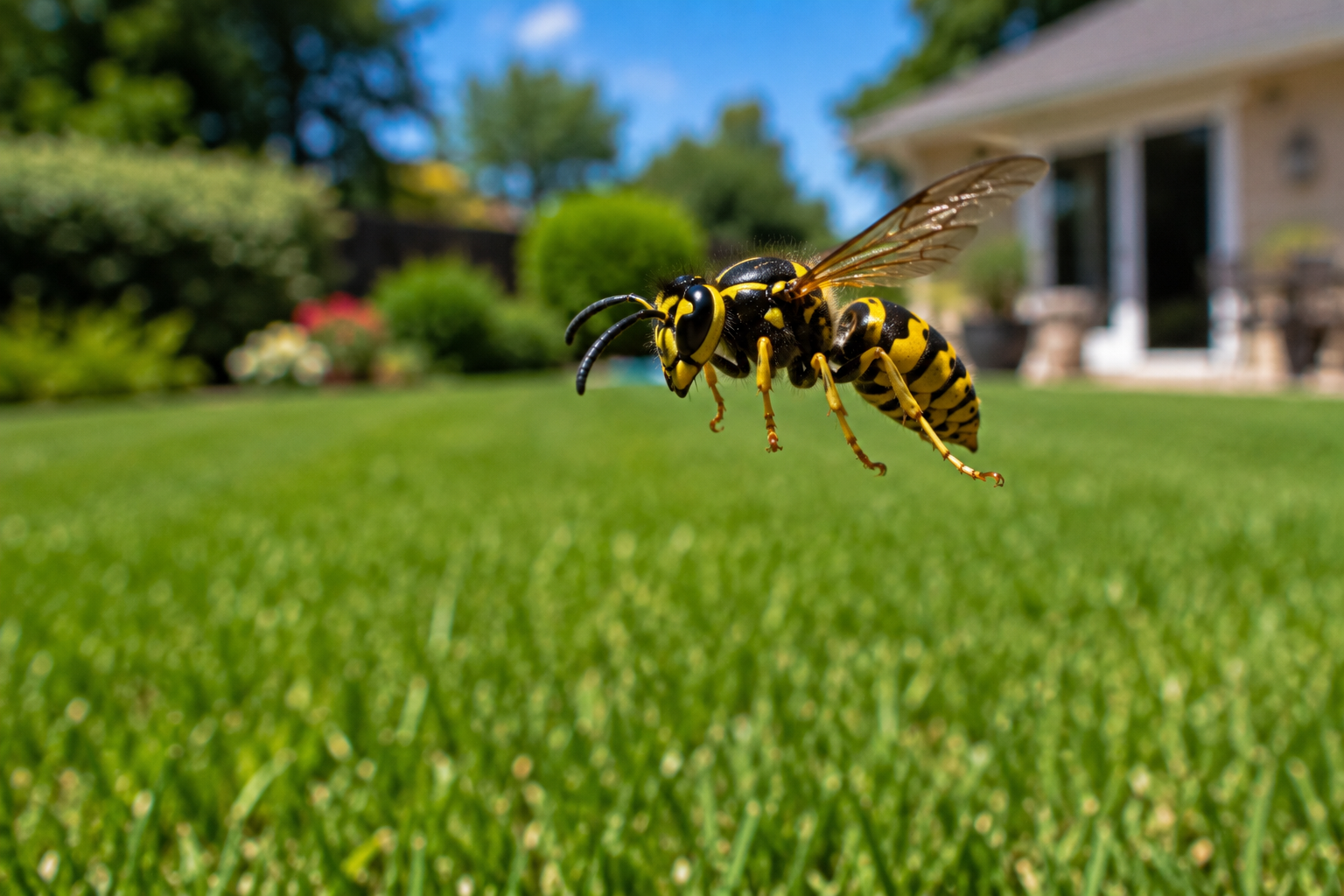
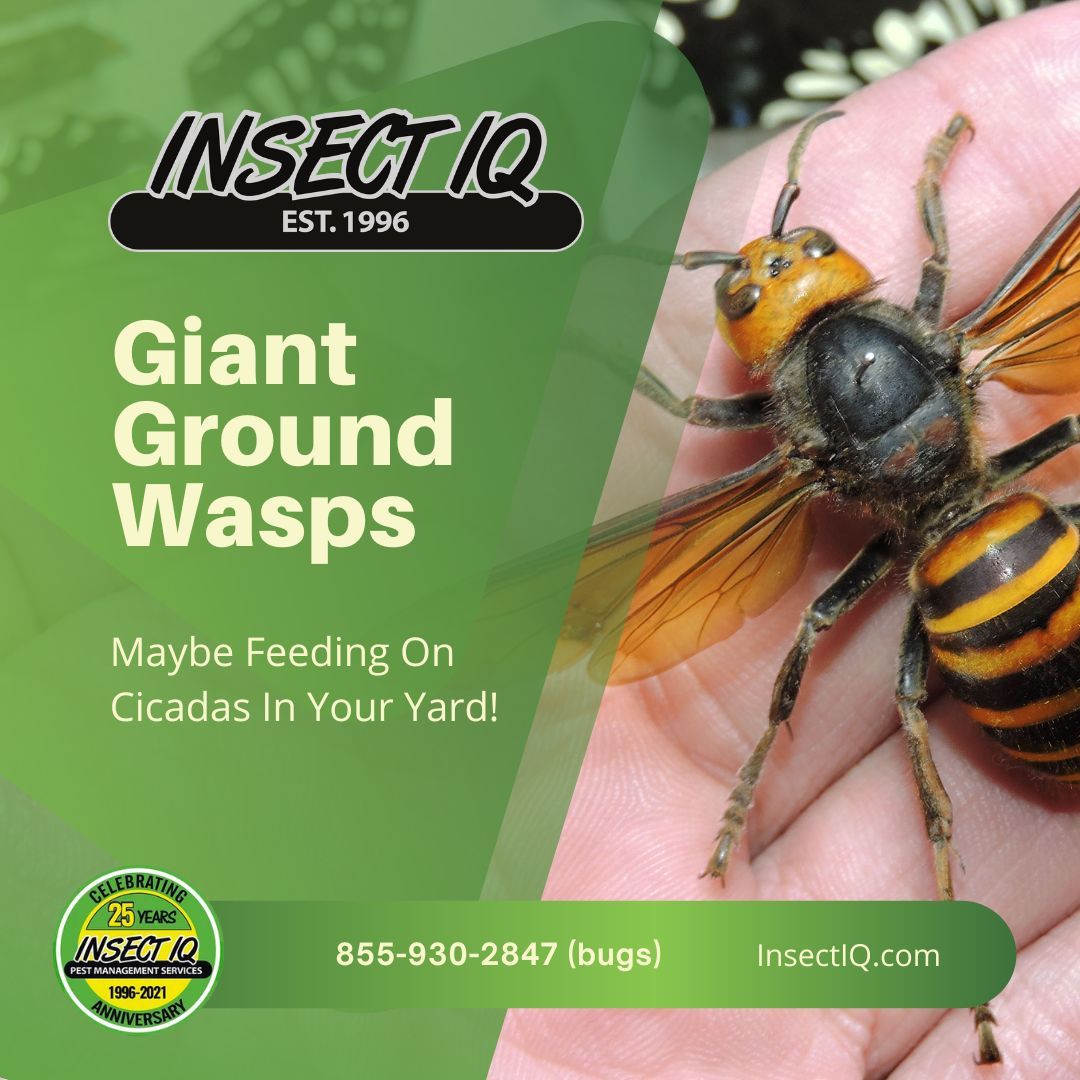
Watch out for Giant Ground Wasps. They are bigger than your typical hornet and look like something from the Jarrazic era. They can become aggressive if their breading area is disturbed and love to hunt in Florida lawns and gardens.
If you are in your yard or garden, look out for burrows. This giant wasp can carve out a 4-foot tunnel with several branches. They will hunt and kill cicadas placing the dead carcasses at the end of the tunnels for their larvae to feed on.
These giant wasps can grow just under two inches in length, twice the size of a typical wasp. They love sandy soil—specifically, areas not covered in grass or mulch. You will find their burrow entrances around sidewalks, pavers, gravel, or any transitional areas that expose Florida's sandy soil.
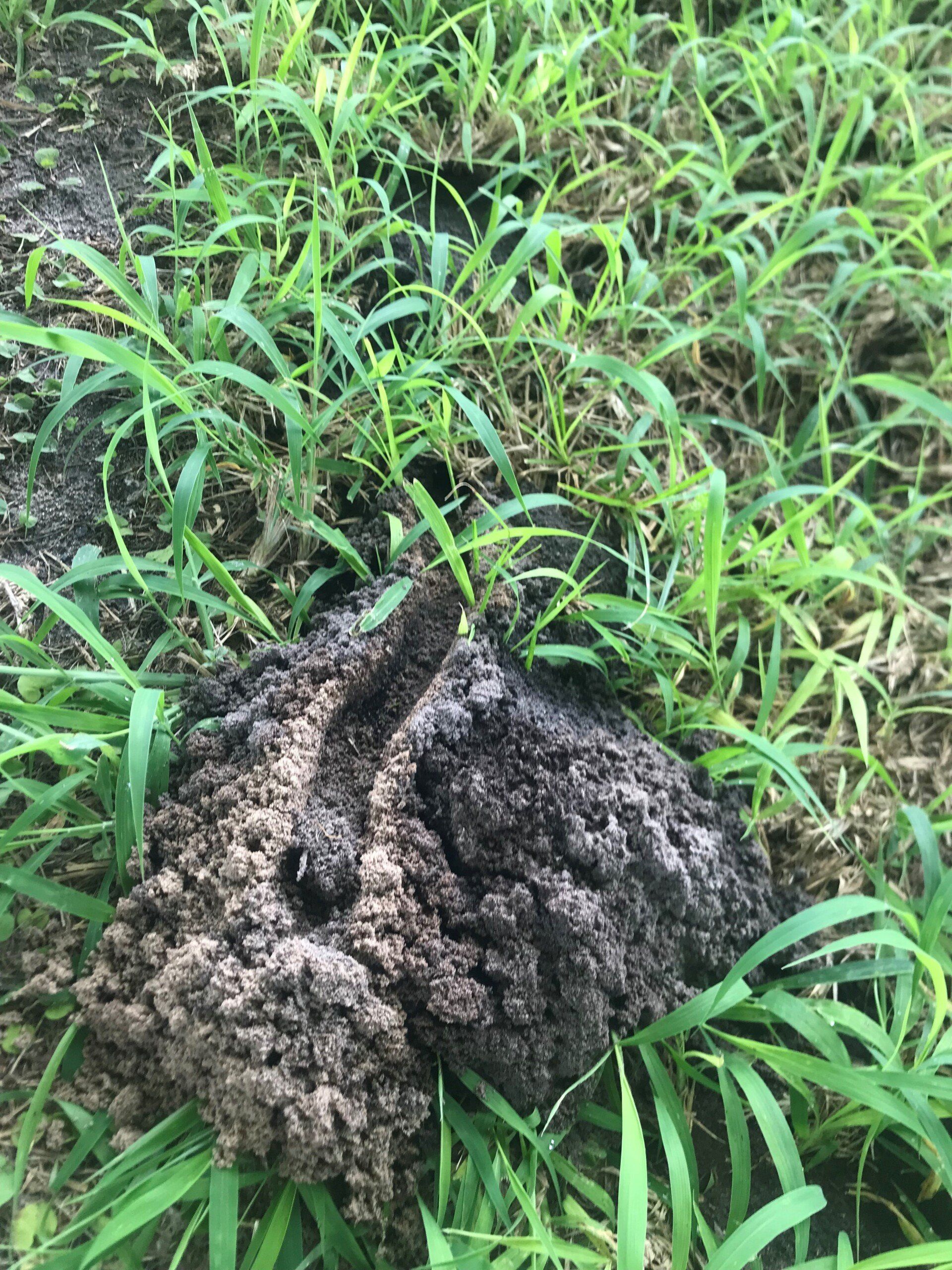
Where are the Wasp Found?
They like to build their nests in these areas because it's easier for them to burrow into the ground. They also want wooded areas where they can shelter from predators, so you may find them near trees or shrubs if your yard has these features.
The best way to protect your yard and your family is to eliminate or reduce the breeding area, which usually consists of exposed, sandy soil. This area can be mulched or covered with grass. Labeled insecticides can be applied to the nesting sites to kill the wasps only if the burrow has been properly identified.
Never apply these insecticides yourself. The typical DIY insecticides may not be the best for controlling these giant wasps. The burrow could also be miss identified. Many other Florida critters create tunnels in backyards and gardens.
If you see a strange bug or burrow in your yard, call a professional entomologist for identification and next steps. Insect IQ has two entomologists on staff to give you a free evaluation and help you determine what action (if any) you need to take to control your pest problem.
For more information call 855-930-2847 (bugs).
Or visit us at https://www.insectiq.com/our-services/stinging-insect-control for more information.