
Cockroaches on the Mayflower's Nina, Pinta, or Santa Maria?
"Laughing Off Unwanted Thanksgiving Guests with Insect IQ"


Thanksgiving
As we gear up for that glorious time of year filled with mashed potatoes, turkey, cranberries, and corn, it's crucial to give a shout-out to the unexpected travelers who might have hitched a ride across the Atlantic to crash our Thanksgiving party. Insect IQ steps into the limelight, ready to play pest bouncer and keep these unwanted house guests from turning our festive gathering into a bug buffet.
Exploring Historical Pests:
Embark on a journey into the comically creepy past and unveil the secrets of pests that might have gatecrashed the Pilgrims' legendary voyage. Get the lowdown on bed bugs, potential stowaways on the Mayflower's Nina, Pinta, or Santa Maria, just waiting to turn your family visit or hotel stay into a bug-themed horror show of bites and irritation.
Bed Bugs
Travel to see loved ones, stay in a hotel, BEDBUGS!!! Those biting, irritating bed bugs probably came over on the Mayflower, Nina, Pinta or the Santa Maria. Bed Bugs have infested Europe, Africa and Asia for several thousand years and it is often believed that when Christopher Columbus, or when the Nina, Pinta and Santa Maria passengers arrived at the shores of the recently discovered world, they brought the bed bugs with them. These bugs were common on ships, especially emigrant ships because of the number of people and close quarters on the ships. The bugs were easily mobile with beds, suitcases and clothing. Bed bugs can move quickly across floors and walls. Females lay 100’s of eggs, and bed bugs live in groups in their hiding places, for example mattress seams, headboards, wall sockets and bed frames. Active at night, they usually bite when people are sleeping causing victims to develop itchy welts. The number of passengers in the ships and living arrangements made a perfect breeding ground for the pests.
Bed bugs weren’t the only bugs to make the trip on the pilgrims’ ships.

Lice
Lice and bed bugs are related parasites. Lice can be found near the head and will feed on human blood. Bed bugs can be found anywhere in a home and will feed on human blood. Both can cause itchiness and discomfort. Body lice survive up to 30 days in a suitable environment. Head louse survives up to 30 days in a suitable environment. They spend their entire lives on the human head feeding on blood. The close quarters made infestations aboard the ships almost unavoidable. The sharing of lice from passenger to passenger does not mean that a person is dirty, in fact, head lice prefer clean hair.
Cockroaches
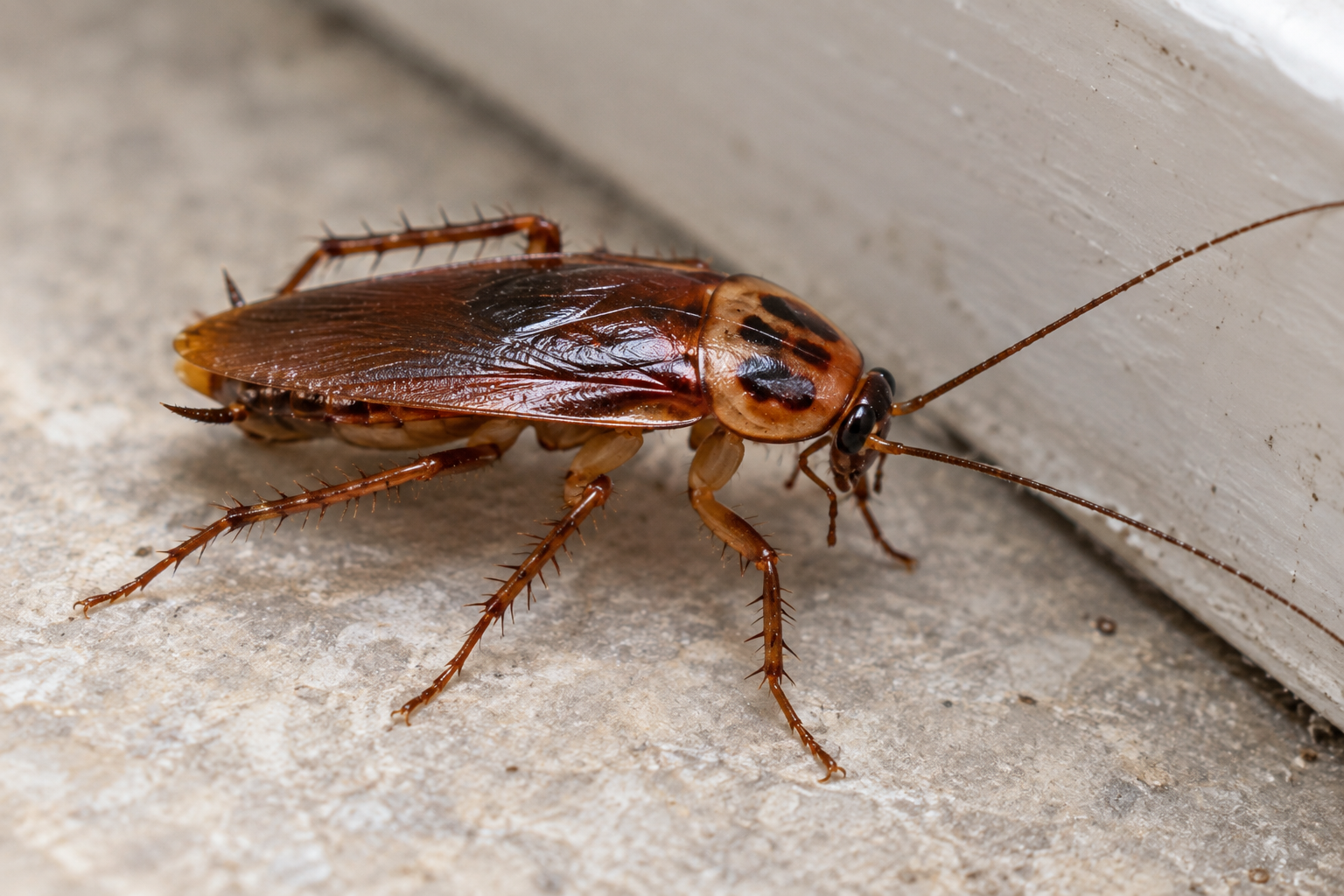
The German cockroach was the most common cockroach at the time of colonists. Although credited as originating in Asia, it is believed to have been brought to Europe in the 1200s. By the time the colonists set foot on their ships to come to America, the cockroach had grown into a very large population. It is also a possibility that this cockroach was a passenger on the slave ships crossing the Atlantic from Africa. The 2nd most common cockroach to make the journey to America was the American Cockroach. The warm, dark hulls of ships is a perfect environment for the American Cockroach.
Secure Your Thanksgiving with Insect IQ:
For a celebration that's light on pests and heavy on laughter, give Insect IQ a buzz today for a FREE consultation at 855-930-2847. Dive into the hilarity of our comprehensive pest management services by CALLING TODAY! Let Insect IQ be your wingman in keeping your home bug-free during this hilarious time of year.