
Small grey bugs on your walls or ceilings? How to get rid of Bagworms and Casebearers
Insect IQ offers Plaster Bagworm service throughout the Tampa Bay area.
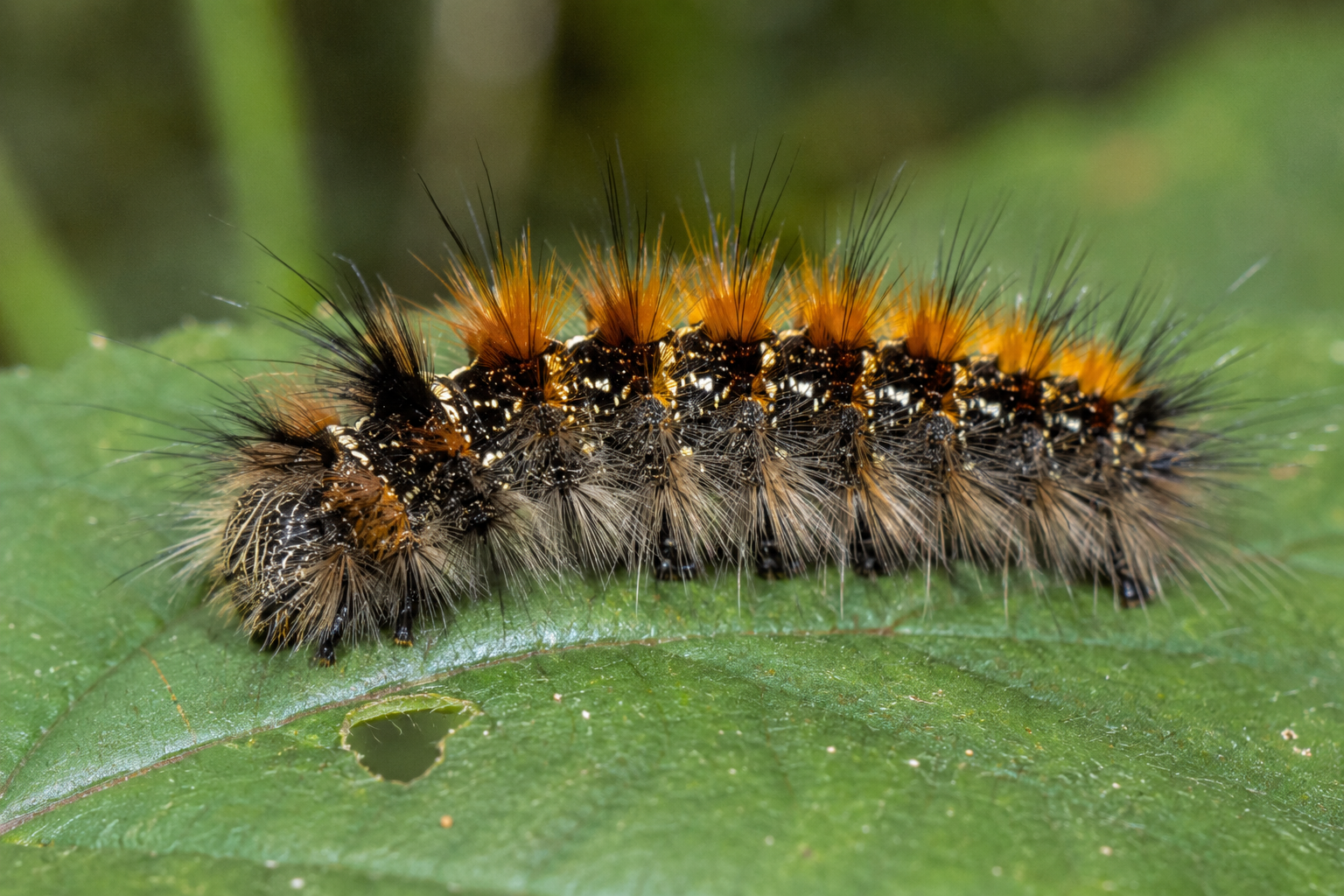
First, little grey bugs attached to the walls? Have you noticed small greyish to white colored insects hanging on your walls or ceiling? Or maybe it looks like some kind of egg sac? What you are likely seeing is a cocoon-like case, with an animal hidden inside. The common name for these insects is a Plaster Bagworm. The long oval-shaped little case or “bag” that is most commonly found in homes and garages are the cocoon created by the larval or caterpillar stage of a moth.
Just like people, insects have basic needs that must be met in order to survive. For Plaster Bagworms and Casebearer, those needs are very basic. Their diet consists of old spider webs, dead insects, and even human hair. Part of the reason these bugs are found stuck on walls and ceilings is that they have climbed up there to be closer to the cobwebs they feed on.
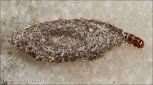
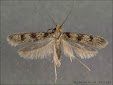
They are particular nuisances in warm, humid climates, including Florida where their population around homes can become quite high if some mitigating measures are not taken. It’s very common to find Plaster Bagworms and Household Casebearers attached to the exterior stucco, vinyl or wood siding of homes as well. Bagworms will eat wool, but they won't eat nylon or cotton.
What can be done about them?
- Thorough Cleaning
- Reduce Outside Light
- Keep Temperatures and Humidity Moderate
- Vacuuming & Sweeping
Plaster Bagworms are troublesome household pests. They’re sneaky, difficult to uncover, and can be unsightly in your house and garage for you and your family. Armed with pest prevention capabilities backed by science (2 University of Florida Entomologist on staff, "Father & Son"), more than 25 years of experience, and state-of-the-art tools and products, Insect IQ is well-equipped to assess your plaster bagworm problems and mount a strategic response to rid your home of the pest and provide maximum protection.
University of Florida IFAS Plaster Bagworm
Insect IQ has always been willing to identify pest problems. Take a picture and email it to CustomerService@Insectiq.com.
For more information
Contact us today, 855-930-2847, and ask about our pest management services. Mention our post–get a free evaluation and an additional 25% off your first service.